How Urine Specific Gravity Can Indicate Your Health Status
TABLE OF CONTENTS

Urine testing specific gravity is a common diagnostic tool used to evaluate various health conditions by examining the concentration of urine. This test measures the density of urine compared to water and helps medical professionals assess kidney functions and the body’s hydration status.
How Urine Testing Specific Gravity Works
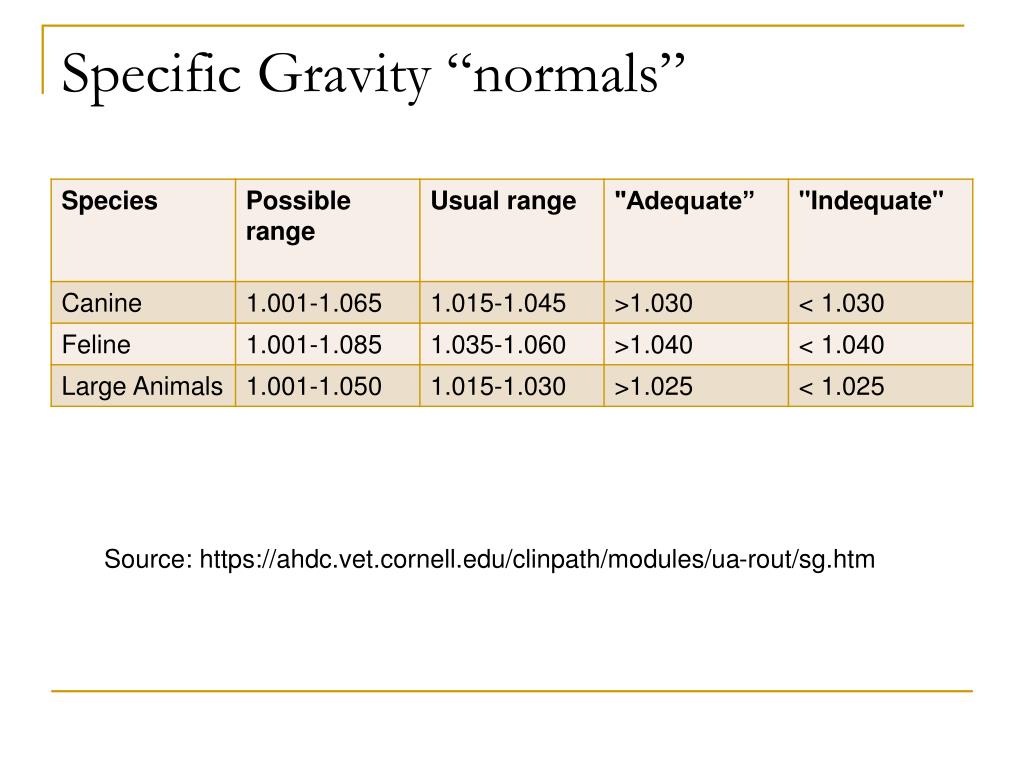
Urine is a liquid byproduct of metabolism in humans and other animals. The kidneys filter waste products from the blood and excrete them along with water as urine. Urine testing specific gravity involves comparing the density of urine to the density of water, which has a specific gravity of 1.000. Normal urine specific gravity ranges from 1.005 to 1.030, indicating how concentrated or diluted the urine is.
Why Urine Testing Specific Gravity is Important
Urine testing specific gravity is crucial for diagnosing and managing various health conditions:
-
- Dehydration: A high specific gravity reading may indicate dehydration, as the body conserves water, making urine more concentrated.
-
- Chronic Kidney Disease: Consistently low specific gravity may suggest impaired kidney function, as the kidneys cannot concentrate urine effectively.
-
- Diabetes Insipidus: This condition results in abnormally large volumes of diluted urine. Urine specific gravity tests can help differentiate between this and other types of diabetes.
-
- Monitoring Hydration in Athletes: Athletes sometimes use urine testing specific gravity to ensure they’re adequately hydrated during intense training or competition periods.
Performing Urine Testing Specific Gravity
Urine testing specific gravity can be performed quite simply using a refractometer or dipstick. A refractometer measures how much light is bent inside the urine sample. Dipsticks give a quick estimate result and are particularly useful in routine check-ups and screenings.
Conclusion
Urine testing specific gravity is a valuable tool for health assessments. By understanding how concentrated or diluted urine is, healthcare providers can gather important insights about hydration status, kidney function, and potential metabolic disorders. While the test is a critical component of medical evaluations, it should be interpreted alongside other diagnostic tests and clinical information for a comprehensive understanding of a patient’s health.
FAQs
What does a high urine specific gravity mean?
A high urine specific gravity indicates that urine is more concentrated, which can result from dehydration, loss of fluids, or certain renal conditions. Consistently high readings should prompt further investigation by a healthcare provider.
What does a low urine specific gravity indicate?
A low specific gravity suggests dilute urine. Possible causes include overhydration, certain types of kidney disease, or endocrine disorders such as diabetes insipidus.
How is this test usually administered?
Typically, urine testing specific gravity is performed during regular check-ups or when there are signs of kidney issues. It can be conducted in a medical facility or at home with the use of dipsticks.
Can diet affect urine specific gravity?
Yes, diet can influence urine concentration. Consuming large amounts of fluid can lower specific gravity, while high-solute drinks and foods can increase it.
For more information on related topics, you can visit Mayo Clinic and WebMD.
BIG SALE | FAST SHIPPING
HOT PROMOTIONS!


STADA MEGA CUTS BLEND 300 MG 10ML (TRENBOLONE)

Original price was: $ 129.00.$ 119.00Current price is: $ 119.00.


CYT 3 6MG | T3 | Yohimbe | Clen | Weight Loss Blend | 100 Tablets Total Kit 600mg

$ 69.00


Urine specific gravity is a test that measures the concentration of solutes in urine, providing valuable insight into a person’s hydration status and kidney function. This parameter helps distinguish between diluted and concentrated urine by comparing the urine’s density to that of water. A specific gravity value typically ranges from 1.005 to 1.030. Values below the normal range may indicate over-hydration or potential issues with the kidneys’ ability to concentrate urine, such as in diabetes insipidus. Conversely, higher values suggest dehydration, the presence of substances like glucose or protein, or other conditions that may lead to concentrated urine. The test is often used alongside other evaluations to diagnose and monitor a variety of medical conditions, offering a non-invasive and rapid assessment of a person’s fluid and electrolyte balance and renal concentrating ability.