How Vegan Bodybuilders are Redefining Strength and Nutrition
TABLE OF CONTENTS

The world of fitness is diverse, with people seeking various paths to achieve their ideal body and health goals. Among these, vegan bodybuilding has emerged as a powerful movement that combines the principles of plant-based diets with intensive strength training. This approach not only challenges the myth that animal proteins are essential for muscle growth but also advocates for ethical and environmentally conscious living.
The Rise of Vegan Bodybuilding
In recent years, veganism has gained significant popularity, partly due to increased awareness of animal welfare and environmental issues. Many athletes and bodybuilders have adopted vegan diets, proving that it is possible to build a strong and muscular physique without consuming animal products. The principles of vegan bodybuilding are simple: prioritize plant-based protein sources, consume a balanced and varied diet, and adhere to a structured workout regimen.
Nutritional Foundations
For those venturing into vegan bodybuilding, understanding nutrition is crucial. Protein remains a focal point, with recommended sources including lentils, chickpeas, quinoa, tofu, tempeh, and a variety of beans. Plant-based protein powders, often made from peas, hemp, or brown rice, can also help achieve protein goals. It’s essential to consume a variety of foods to ensure adequate intake of all necessary amino acids.
Besides protein, a well-rounded vegan diet should include fats and carbohydrates. Healthy fats can be sourced from avocados, nuts, and seeds, while whole grains, fruits, and vegetables supply complex carbohydrates. Micronutrients such as vitamin B12, iron, calcium, and omega-3 fatty acids must be monitored closely, often requiring supplementation or fortified foods to avoid deficiencies.
Training Regimen
Just like any bodybuilding endeavor, a structured workout plan is paramount. Vegan bodybuilders typically follow a mix of resistance training and cardiovascular exercises. The key lies in progressive overload—gradually increasing the weight, frequency, or number of repetitions to continue muscle growth. Incorporating compound movements, such as squats, deadlifts, and bench presses, allows multiple muscle groups to be worked on simultaneously, providing better overall muscle development.
Conclusion
Vegan bodybuilding is more than just a fitness trend; it’s a testament to the power of plant-based nutrition and disciplined training. By carefully managing one’s diet and creating an effective workout plan, individuals can achieve impressive physiques without relying on animal products. Moreover, this lifestyle promotes ethical living and environmental sustainability, offering a holistic approach to health and wellness.
BIG SALE | FAST SHIPPING
HOT PROMOTIONS!

STADA MEGA CUTS BLEND 300 MG 10ML (TRENBOLONE)
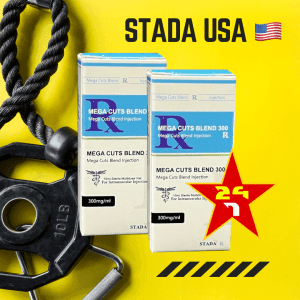
Original price was: $ 129.00.$ 119.00Current price is: $ 119.00.
Fierce nandrolone decanoate 300 / ml 10ml

Original price was: $ 131.00.$ 119.00Current price is: $ 119.00.
CYT 3 6MG | T3 | Yohimbe | Clen | Weight Loss Blend | 100 Tablets Total Kit 600mg

$ 69.00

CROWX 👑 CLOMIROW 50 Mg / 50 Tabs ( Clomid )
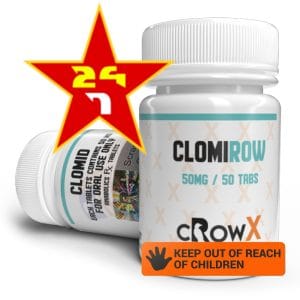
Original price was: $ 79.00.$ 69.00Current price is: $ 69.00.


FAQs
1. Can I get enough protein on a vegan diet?
Absolutely! Many plant-based foods are rich in protein, such as lentils, chickpeas, tofu, and quinoa. Additionally, plant-based protein powders are available to help meet daily protein requirements efficiently.
2. Do I need to take supplements?
While a well-planned vegan diet can meet most nutritional needs, certain nutrients like vitamin B12, vitamin D, and omega-3 fatty acids may require supplementation to prevent deficiencies.
3. How can I ensure I get all essential amino acids?
Combining different plant protein sources throughout the day—such as beans and rice or peanut butter and whole wheat bread—ensures you’re getting all the essential amino acids needed for muscle repair and growth.
For more insights, you can check out this detailed guide on plant-based nutrition and this article on sustainable bodybuilding.
Vegan bodybuilding has emerged as a compelling movement within the fitness world, challenging traditional perceptions of protein primarily sourced from animal products. Athletes who adhere to this plant-based discipline demonstrate that it is entirely feasible to build significant muscle mass and achieve peak physical performance by consuming a well-balanced vegan diet, rich in diverse sources such as legumes, grains, nuts, seeds, and increasingly popular plant-based protein supplements like pea, hemp, and soy protein. Emphasizing ethical and environmental considerations, vegan bodybuilders advocate for cruelty-free nutrition while showcasing that adequate macro and micronutrient intake can be deftly maintained without animal derivatives. Success stories within this domain are bolstered by strategic meal planning and a keen focus on nutrient-dense foods that provide essential amino acids, ensuring that protein synthesis and recovery align with rigorous training regimens. As awareness and acceptance grow, vegan bodybuilding continues to inspire a broader conversation about sustainability and health in athletic endeavors.