
Hygetropin: The Science Behind Growth Hormone Supplements
Hygetropin is a popular brand of synthetic human growth hormone (HGH) that has gained significant traction in the bodybuilding and wellness communities. Known for its ability to stimulate growth, cell reproduction, and regeneration, Hygetropin is often sought by those looking to enhance physical performance, speed up recovery times, and improve overall health. However, understanding how to use Hygetropin safely and effectively is crucial to achieving optimal results.
Understanding Hygetropin
Hygetropin, like other HGH products, mimics the naturally occurring growth hormone produced by the pituitary gland. It plays a critical role in various bodily functions, including growth, metabolism, and muscle development. In medical settings, HGH like Hygetropin is prescribed to treat growth hormone deficiencies in children and adults. However, its use has expanded into realms of fitness and anti-aging, where it is used off-label to enhance physical appearance and performance.
One of the most notable benefits of Hygetropin is its ability to promote lean muscle mass and reduce body fat. Users often report improved energy levels, increased strength, and a faster recovery process post-exercise. Additionally, some individuals experience enhanced skin appearance, as Hygetropin can boost collagen production.
The Risks and Limitations of Hygetropin
While Hygetropin offers a range of benefits, it’s crucial to approach its use with caution. Potential side effects include joint pain, insulin resistance, and carpal tunnel syndrome. Long-term misuse can lead to more severe complications, such as diabetes or abnormal growth of bones and organs. Hence, it is of utmost importance that Hygetropin is administered under medical supervision.
Another key point to consider is the quality of the product. With the growing popularity of Hygetropin, counterfeit products have flooded the market. It is imperative to source it from reputable suppliers to avoid using substandard substances that could pose health risks.
Proper Administration of Hygetropin
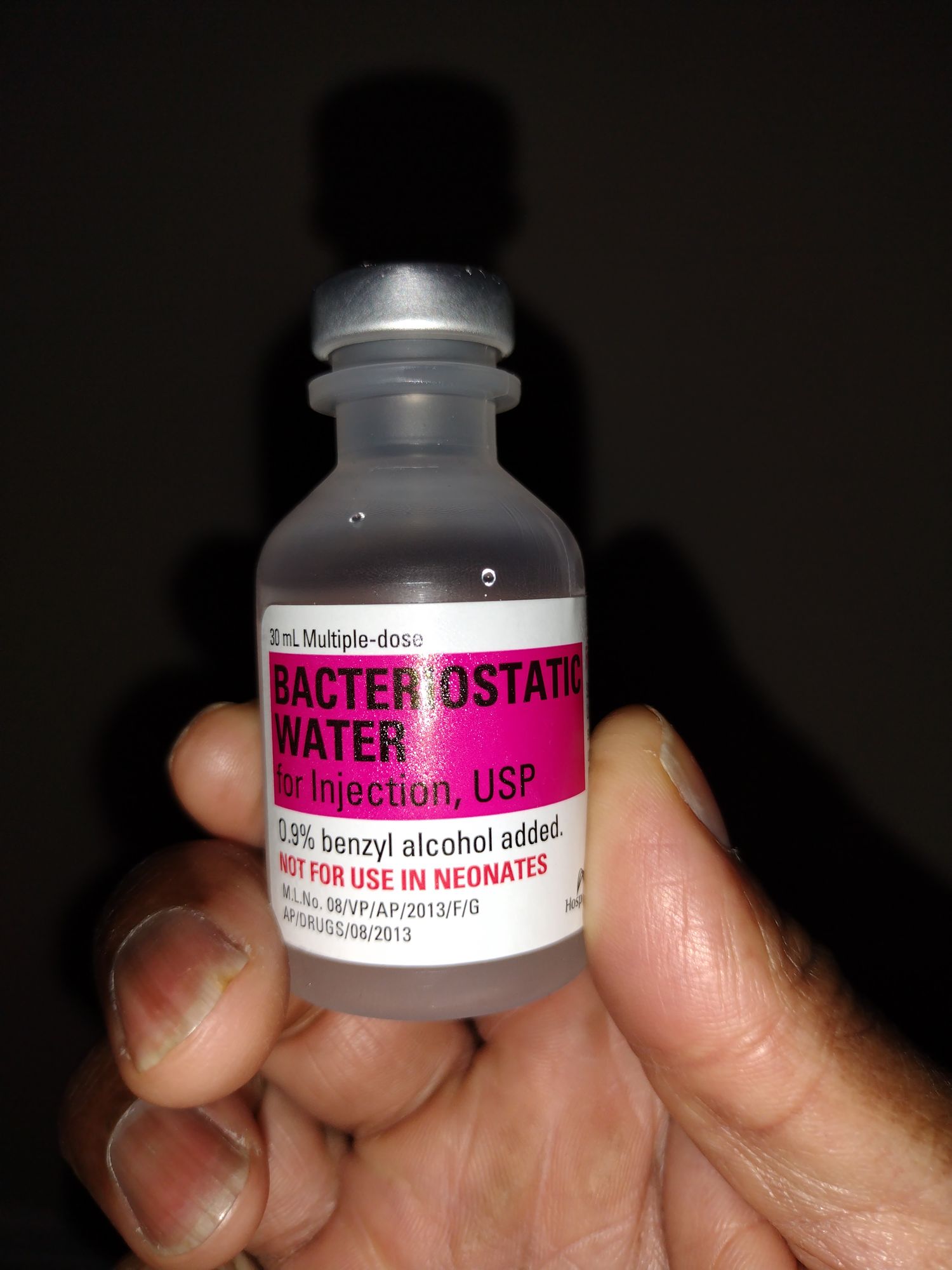
A critical aspect of using Hygetropin is ensuring the correct dosage and administration. It is generally administered via subcutaneous injection, and the dosage varies depending on the individual’s needs and goals. Users are advised never to use the same Hygetropin vial twice if it risks contamination or degradation of the solution. Always consult with a healthcare professional to determine the appropriate dosing regimen.
Conclusion
Hygetropin can offer significant benefits in both medical and fitness settings, promoting better muscle development and overall vitality. However, it is crucial to approach its use with careful consideration and professional guidance to avoid potential health risks. Being informed about proper usage and sourcing from trustworthy suppliers will help users maximize the benefits while minimizing adverse effects.
BIG SALE | FAST SHIPPING
HOT PROMOTIONS!

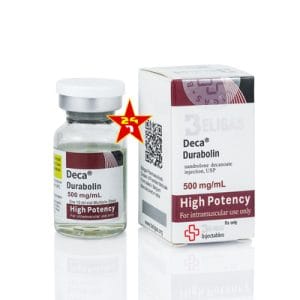
Beligas Deca Durabolin 500mg/ml 10ml vial
Original price was: $ 269.00.$ 169.00Current price is: $ 169.00.
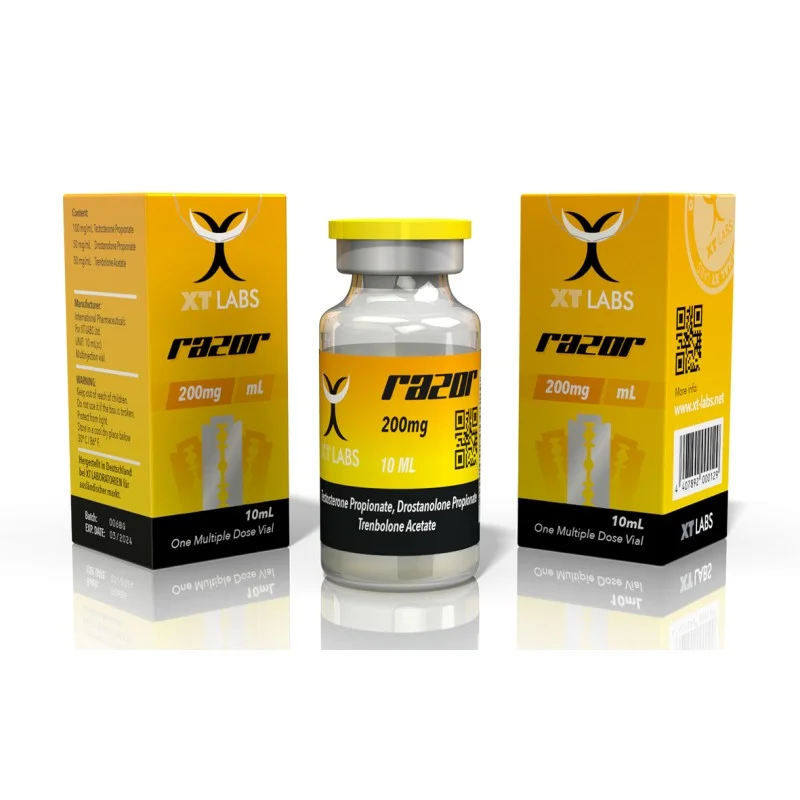
RAZOR 200 XT Lab | Cutting Blend
Original price was: $ 139.00.$ 129.00Current price is: $ 129.00.
ZPHC UltraMix 1ml amps x 10 amps - 1ml = 250mg
Original price was: $ 261.00.$ 181.00Current price is: $ 181.00.
CYT 3 6MG | T3 | Yohimbe | Clen | Weight Loss Blend | 100 Tablets Total Kit 600mg
$ 71.00
Frequently Asked Questions
What is the primary use of Hygetropin?
Hygetropin is primarily used for treating growth hormone deficiencies but is also used off-label for bodybuilding and anti-aging purposes.
Are there any side effects of using Hygetropin?
Yes, potential side effects include joint pain, insulin resistance, and in some cases, the development of diabetes or abnormal organ growth.
Where can I buy authentic Hygetropin?
It is vital to purchase Hygetropin from reputable sources to ensure authenticity. Online platforms like WebMD and Healthline offer guides on how to find legitimate suppliers.
How should Hygetropin be stored?
Hygetropin should be stored in a refrigerator after reconstitution and must never be used if there are signs of contamination or degradation.
Hygetropin is a brand of synthetic human growth hormone (HGH) that is often used to promote muscle growth, recovery, and overall physical performance. Originally developed for medical purposes such as treating growth hormone deficiencies in children and adults, Hygetropin has gained popularity in the bodybuilding and athletic communities for its supposed ability to enhance muscle mass and reduce body fat. It mimics the action of natural growth hormone produced by the pituitary gland, thereby stimulating growth, cell reproduction, and regeneration in humans. While some users report improved physique and vitality, its use outside medical supervision can carry risks, including joint pain, insulin resistance, and other potential health issues. Due to these concerns and the legal implications surrounding HGH distribution without a prescription, Hygetropin is a controversial substance, necessitating careful consideration and adherence to appropriate guidelines when used.