IGF-1-BP3
TABLE OF CONTENTS

Introduction to IGF-1-BP3
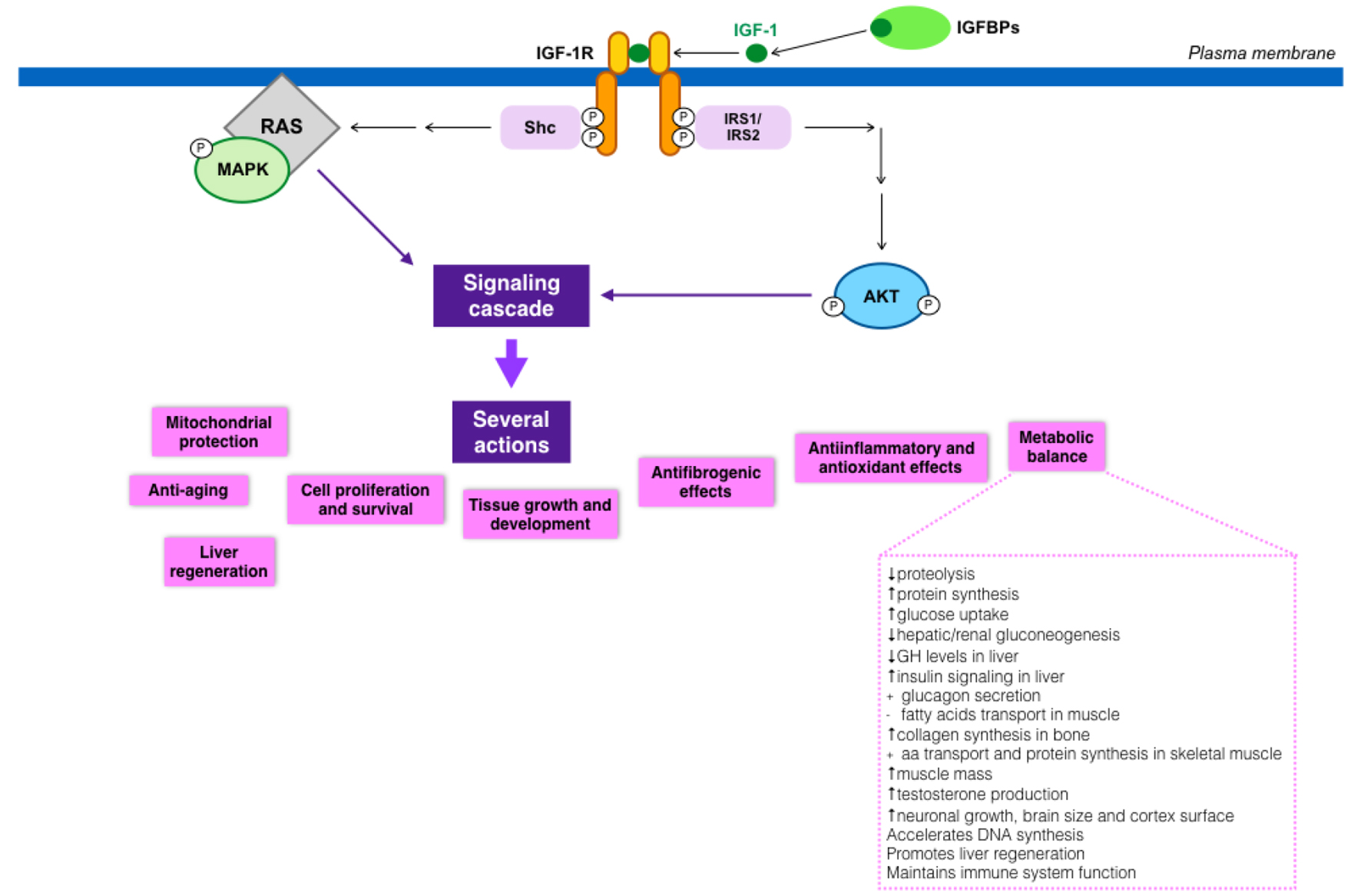
IGF-1-BP3, or Insulin-like Growth Factor 1 Binding Protein 3, plays an integral role in regulating the actions of IGF-1, a growth factor involved in cell growth, development, and repair. IGF-1-BP3 binds with high affinity to IGF-1, modulating its interaction with receptors and extending its half-life in the bloodstream. This intricate balancing act facilitates various physiological processes crucial for maintaining optimal health.
The Role of IGF-1-BP3 in the Body
Predominantly produced in the liver, IGF-1-BP3 regulates the availability of IGF-1 to tissues throughout the body. By binding to IGF-1, it forms a complex that aids in the transport of IGF-1 to target cells. Once bound, the complex usually requires specific proteolytic cleavage to exert its effects, ensuring precise control over growth and metabolic processes.
Health Benefits Associated with IGF-1-BP3
The modulatory effects of IGF-1-BP3 contribute to various health benefits. These include enhancing skin elasticity, fostering muscle growth, and supporting better metabolic function. By promoting the vital actions of IGF-1, IGF-1-BP3 can also play a role in weight management, potentially aiding in reducing body fat and promoting lean body mass.
Potential Applications in Skincare
In the skincare realm, IGF-1-BP3 offers exciting possibilities. Its influence on collagen synthesis can lead to improved skin structure and reduced signs of aging. With its role in tissue regeneration, many skincare formulations aim to harness its reparative properties to deliver anti-aging benefits.
Conclusion
IGF-1-BP3 serves as an essential component in regulating the effects of IGF-1, impacting multiple aspects of health and well-being, from supporting muscle growth and metabolism to enhancing skin health. As research continues, the potential for IGF-1-BP3 in medical and cosmetic applications remains promising.
FAQs
What is IGF-1-BP3?
IGF-1-BP3 is a protein that binds with IGF-1, helping regulate its effects on cell growth and development.
How does IGF-1-BP3 affect the skin?
IGF-1-BP3 enhances collagen production, potentially improving skin elasticity and reducing the appearance of wrinkles.
Can IGF-1-BP3 help with weight loss?
By promoting lean muscle mass and supporting metabolic functions, IGF-1-BP3 may play a role in weight management.
Insulin-like growth factor-binding protein 3 (IGF-1-BP3) is a crucial protein that plays a significant role in modulating the activity of insulin-like growth factors (IGFs), particularly IGF-1, which is pivotal for growth and development. IGF-1-BP3, the most abundant of the IGF binding proteins, acts as a carrier protein, extending the half-life of IGFs in circulation and regulating their interaction with IGF receptors on target tissues. Beyond its transport functions, IGF-1-BP3 is involved in controlling the bioavailability of IGFs, thus influencing cellular processes such as proliferation, differentiation, and apoptosis. This regulation is vital for normal growth as well as metabolic processes, and disturbances in IGF-1-BP3 levels have been associated with various health conditions, including cancer, growth disorders, and metabolic diseases. Understanding the dynamics of IGF-1-BP3 could lead to therapeutic insights into treating these conditions by modulating IGF activity.