

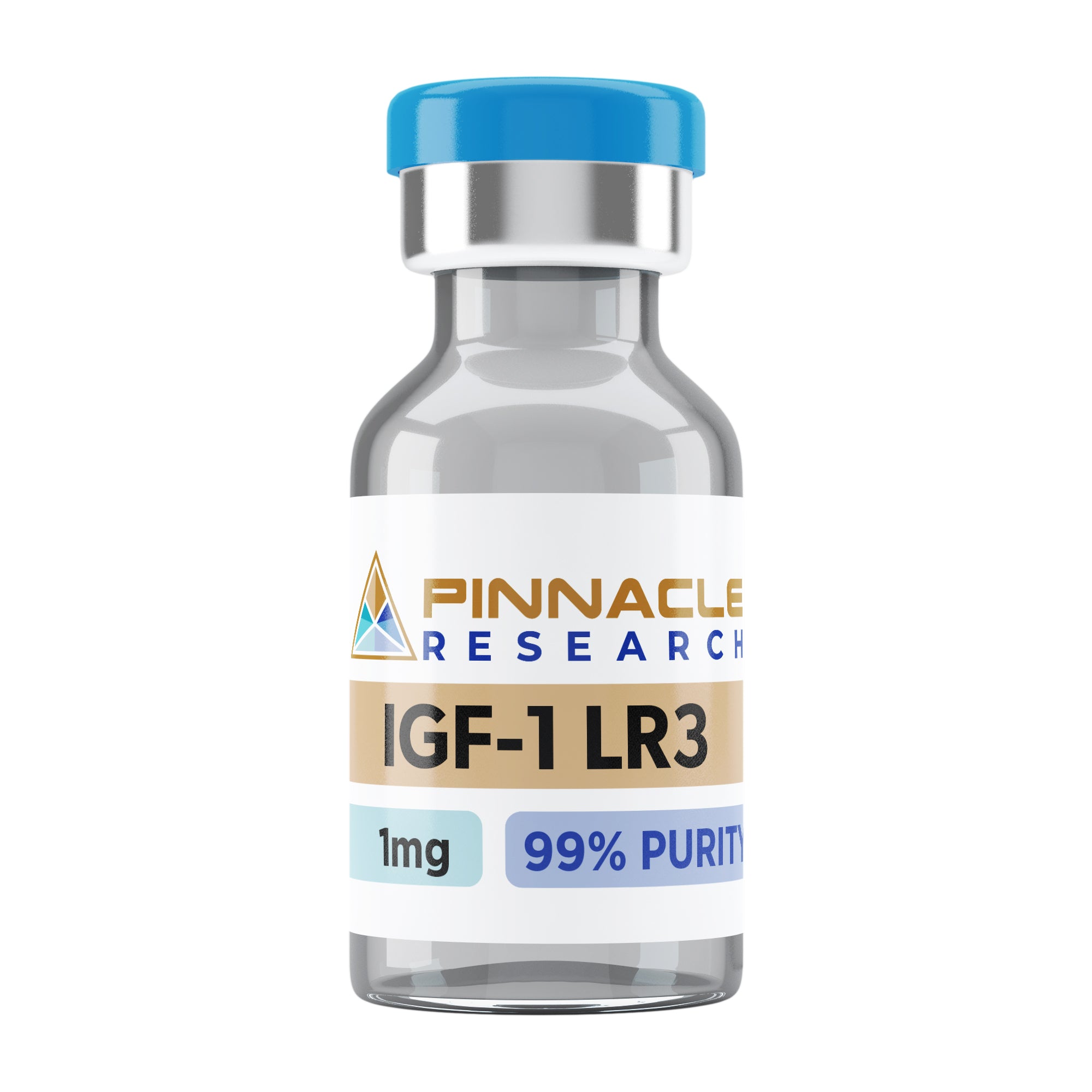
Igf lr3 reconstitution

Introduction
IGF LR3, short for Insulin-like Growth Factor Long R3, is a potent peptide frequently used in the fitness and bodybuilding communities. It aids in improving muscle growth, fat loss, and recovery. However, effective utilization of IGF LR3 depends significantly on proper reconstitution, making it crucial for users to understand its proper preparation and storage.
Preparation of IGF LR3 Reconstitution
When preparing IGF LR3 for use, it is typically provided in a lyophilized powder form. This needs to be reconstituted using bacteriostatic water or sterile saline. The choice of diluent can affect the peptide’s stability and effectiveness. Utilizing bacteriostatic water is often preferred to inhibit bacterial growth, thereby extending the shelf life of the solution.
Steps for IGF LR3 Reconstitution
During reconstitution, ensure that the vial is handled with care to avoid contamination. Gently mix the solution until the powder is fully dissolved, avoiding any vigorous shaking which might degrade the peptide. Proper measurement of the diluent is essential to maintain accurate dosing.
Storage and Usage
Post IGF LR3 reconstitution, the solution should be stored in a refrigerator, ideally at a temperature between 2°C to 8°C, and used within a specific timeframe to maintain its efficacy. Adhering to storage guidelines helps in preserving the integrity of the solution. It is recommended to never use the same reconstituted solution twice to ensure maximum potency and safety.
Conclusion
Proper IGF LR3 reconstitution is vital for effective usage and to ensure the maximum benefits from its potent properties. Users must follow the reconstitution steps with precision and adhere to best storage practices. As this is a highly potent peptide, incorrect preparation or storage can lead to reduced efficacy or potential health risks.
FAQs
What is IGF LR3 used for?
IGF LR3 is primarily used to promote muscle growth and aid in recovery, making it popular in bodybuilding and fitness circles.
Why can’t I reuse reconstituted IGF LR3?
Reusing a reconstituted solution can lead to contamination, reduced effectiveness, and potential health risks. It is advisable to prepare fresh solutions for every use.
Which diluent is best for IGF LR3 reconstitution?
Bacteriostatic water is generally recommended due to its ability to inhibit bacterial growth, thereby preserving the peptide’s stability.
How long can I store the reconstituted IGF LR3?
Once reconstituted, IGF LR3 should be kept refrigerated and used within a designated period as specified by the supplier to ensure potency.

IGF-1 LR3 reconstitution is a critical process for preparing the peptide for research or clinical applications, ensuring its stability and effectiveness. IGF-1 LR3, a long-acting analog of human insulin-like growth factor 1, is typically supplied in a lyophilized powder form, which requires careful reconstitution before use. The process typically involves dissolving the lyophilized IGF-1 LR3 in bacteriostatic water or another compatible solvent, such as acetic acid or sodium chloride solution, to achieve the desired concentration. It’s imperative to conduct this process under sterile conditions to prevent contamination. Proper reconstitution ensures that the peptide maintains its bioactivity and biochemical integrity, which is crucial for accurate dosing and consistent results in experimental settings. Researchers often store the reconstituted solution at appropriate temperatures to preserve its stability over time, typically refrigerating it for short-term storage or freezing it for longer durations.