ITEM HAS FREE SHIPPING
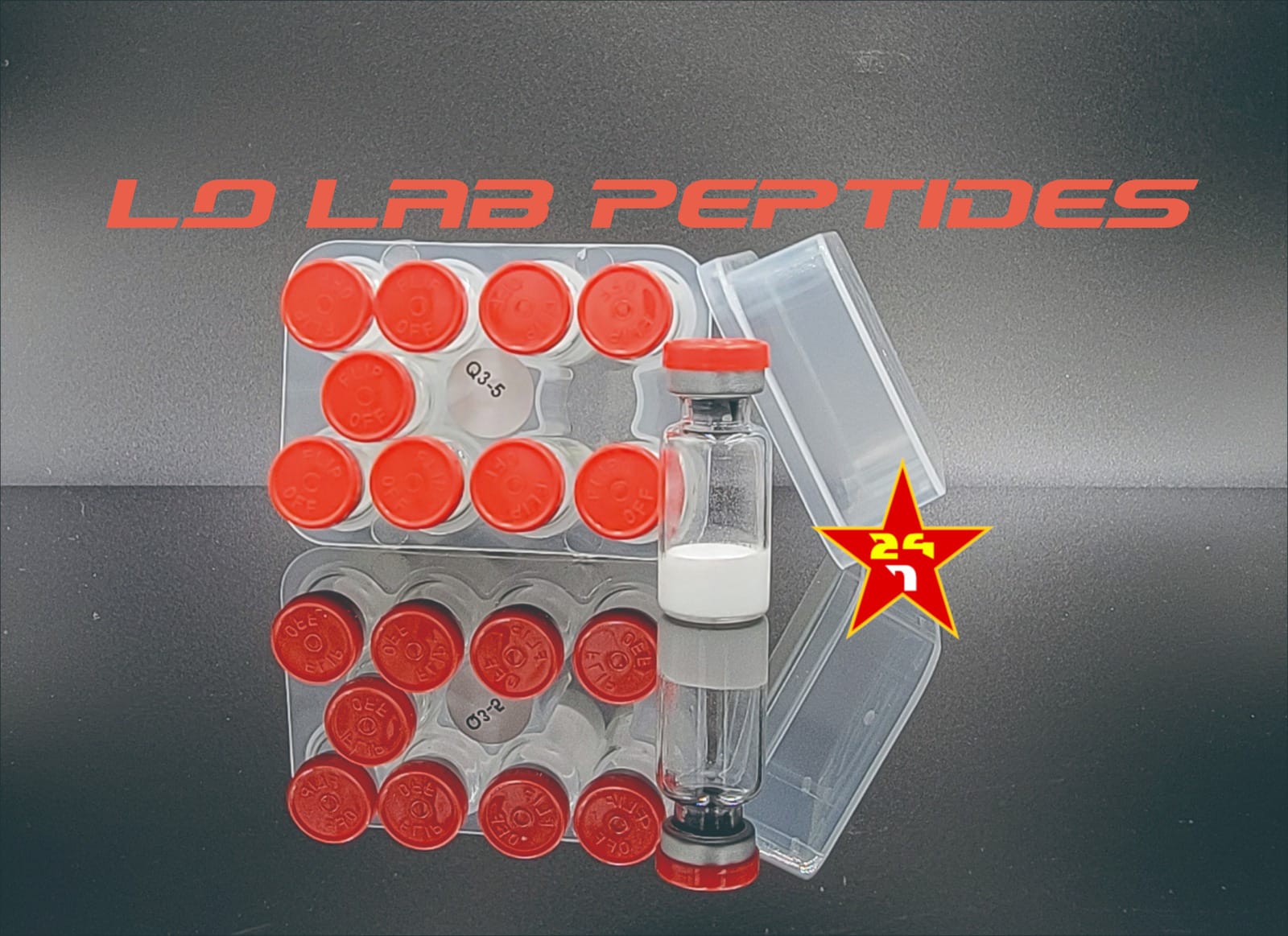
10 Pack | LQ LAB PEPTIDES | AOD9604 2mg/vial
$ 181.00
Discover the potential of AOD9604 2mg/vial in weight management. Explore its uses, benefits, and safety in peptide research.
3 in stock
Description
In the ever-evolving landscape of peptide research, AOD9604 has emerged as a compound of interest within the scientific community. Known for its potential applications in weight management and metabolic health, AOD9604 is a synthetic peptide fragment derived from human growth hormone (HGH). This article delves into the composition, mechanism, uses, benefits, and safety profile of AOD9604, offering a comprehensive overview for those interested in its potential therapeutic applications.
Understanding AOD9604: Composition and Mechanism
AOD9604 is a peptide fragment consisting of the amino acid sequence 177-191, which is a specific portion of the larger human growth hormone. Unlike full-length HGH, AOD9604 retains the lipolytic (fat-reducing) properties but without the muscle-building effects. This selective activity is attributed to its ability to mimic the action of natural growth hormone in stimulating lipolysis, the process of breaking down fats. By enhancing lipolysis, AOD9604 may contribute to weight reduction and improved metabolic health, making it a subject of interest for researchers exploring obesity treatments. The mechanism by which AOD9604 operates is believed to involve the activation of specific pathways that accelerate the breakdown of fats, offering an innovative approach to addressing excess body weight.
While AOD9604 is not currently approved for clinical use by major regulatory bodies like the FDA, its unique properties and potential benefits continue to spark interest in the scientific community. As research progresses, understanding the full spectrum of its effects, optimal usage, and long-term safety will be crucial in determining its viability as a therapeutic agent. For now, AOD9604 remains a promising candidate in the realm of peptide research, with the potential to offer new insights into weight management and metabolic health. As with any emerging compound, further studies are essential to fully elucidate its role and ensure its safe application in humans.
Related products
 Sale!Original price was: $ 121.00.$ 109.00Current price is: $ 109.00.
- Sale!Original price was: $ 225.00.$ 129.00Current price is: $ 129.00.