Im vs subq
TABLE OF CONTENTS

When it comes to the administration of certain medications and supplements, the choice between intramuscular (IM) and subcutaneous (SubQ) injections can significantly impact the efficacy and convenience of the treatment. This article explores the differences, uses, and advantages of IM vs SubQ injection methods, particularly in the context of bodybuilding and fitness enthusiasts who often use these techniques to optimize their performance and physique.
Understanding IM vs SubQ Injections
IM injections involve delivering a substance directly into a muscle. This method allows rapid absorption due to the rich blood supply found in muscle tissue, making it suitable for medications that need quick action. Common sites for IM injections include the deltoids, quadriceps, and gluteal muscles. 🏋️
SubQ injections, on the other hand, are administered into the tissue layer between the skin and the muscle. This approach is slower in absorption but is beneficial for medications that require a steady release over time. Suitable sites for SubQ injections include the abdomen, thighs, and upper arms.
IM vs SubQ in Bodybuilding
In the bodybuilding community, the choice of IM vs SubQ injections frequently arises, especially when it comes to the administration of anabolic steroids and other performance-enhancing drugs. The efficiency and effectiveness can vary depending on the substance being injected.
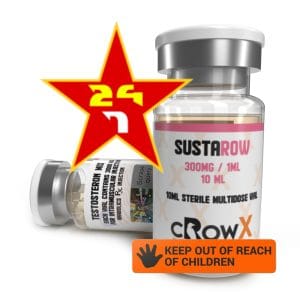
For instance, substances like Sustanon and Anavar are often administered intramuscularly due to their molecular properties and the rapid onset needed for bodybuilding cycles. This method ensures that the compound reaches the bloodstream quickly, facilitating faster muscle growth and strength enhancement.💪
Conversely, some growth hormones and peptides may be administered SubQ, as they require steady absorption to maintain optimal levels in the bloodstream. It allows for fewer injections, reducing the risk of tissue damage and increasing comfort for regular users.
Conclusion: Making the Right Choice Between IM vs SubQ
Choosing between IM vs SubQ injections depends greatly on the type of medication or supplement being used, your personal comfort, and the desired speed of absorption. 💡 In the world of bodybuilding, understanding these differences aids in maximizing benefits while minimizing risks. Always consult with a healthcare professional to determine the most suitable approach for your specific needs.
FAQs: Frequently Asked Questions on IM vs SubQ
-
- Can I switch between IM and SubQ?
Not all medications or supplements can be interchangeable between IM and SubQ. Consult your doctor before making any changes.
- Can I switch between IM and SubQ?
-
- Which injection is less painful?
Generally, SubQ injections are considered less painful due to the smaller needle size used compared to IM injections.
- Which injection is less painful?
-
- Is one method safer than the other?
Both methods have risks and benefits. Proper technique and hygiene are crucial to avoiding complications.
- Is one method safer than the other?
BIG SALE | FAST SHIPPING
HOT PROMOTIONS!
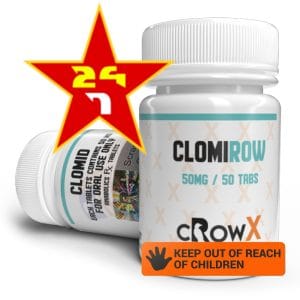
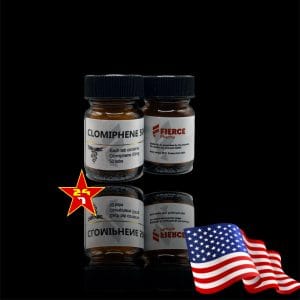
FIERCE CLOMID 50MG 50CAPS
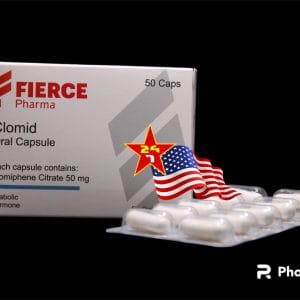
Original price was: $ 129.00.$ 119.00Current price is: $ 119.00.


CLOMID 50MG FIERCE 50 TABLETS
Original price was: $ 129.00.$ 119.00Current price is: $ 119.00.

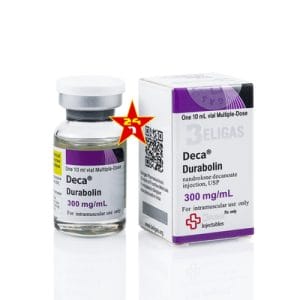
Whether you’re focused on #BB competition or simply enhancing your #Gym performance, the choice of injection technique—IM vs SubQ—plays a pivotal role in your training and supplementation strategy. Always source from #legitpharmacies and consult a professional to ensure safety and efficacy in your #steroidcycles and #supplements use. #247steroids
Intramuscular (IM) and subcutaneous (subq) injections are two common methods of administering medications or vaccines, each with distinct characteristics and applications. IM injections involve delivering a substance directly into the muscle tissue, which possesses a rich blood supply, allowing for quicker absorption into the bloodstream. This method is typically used for vaccines, hormone therapies, and medications that require rapid onset of action. Conversely, subq injections are administered into the fatty layer beneath the skin, characterized by a less abundant blood supply, resulting in slower absorption of the medication. This method is often employed for administering insulin, heparin, and some vaccines. The choice between IM and subq injection depends on factors such as the type of medication, desired rate of absorption, and patient-specific considerations. Proper technique and knowledge of anatomical landmarks are crucial for both approaches to ensure efficacy and minimize discomfort or complications.