

Kiwi Fruit: Health Benefits and Nutritional Powerhouse Revealed

The kiwifruit 🥝, also known as gooseberry 🥝, is a mesmerizing and nutritious tropical fruit that captivates with its striking appearance and delightful flavor. As one of the most visually appealing fruits available, the kiwifruit stands out with its vibrant pink or yellow skin adorned with green scales—features that resemble the mythical kiwi, hence the name. Inside, it reveals a speckled white or deep green flesh that is not only pleasing to the eyes but also packed with numerous health benefits.
The Origins and Varieties of kiwifruit
Originating from Central America, the kiwifruit has successfully conquered taste buds worldwide. It belongs to the cactus family and thrives in warm, humid climates. There are mainly two types of kiwifruit: the yellow kiwifruit, with white flesh; the Costa Rican variety, which boasts green flesh; and the green kiwifruit, which has white flesh and a grey hairy peel. Each variety offers a subtly different taste, from sweet and creamy to slightly tangy.
Nutritional Benefits of kiwifruit
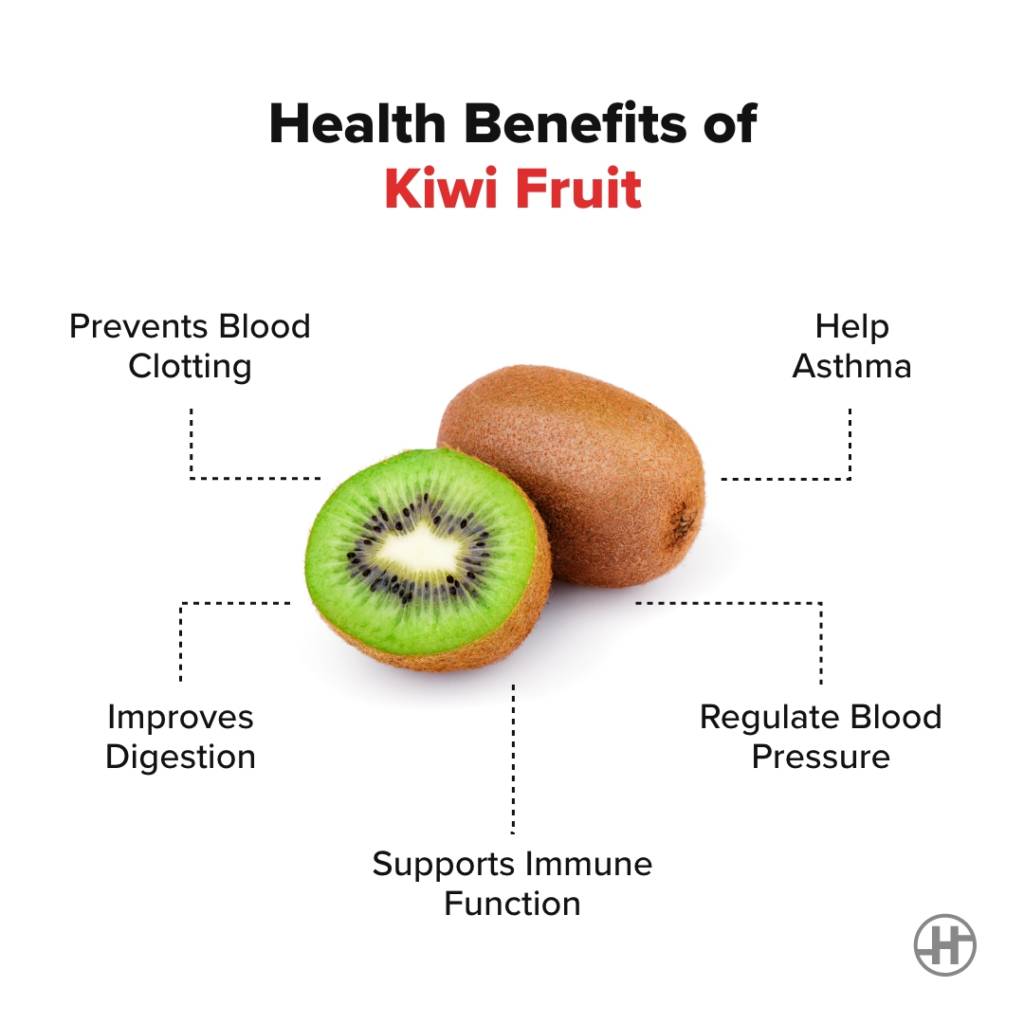
kiwifruit is more than just a feast for the eyes; it’s a powerhouse of nutrients, making it a fantastic addition to any diet. Rich in vitamin C, antioxidants, and polyunsaturated fatty acids, the fruit supports a healthy immune system, combats oxidative stress, and promotes good cardiovascular health. It’s also a great source of dietary fiber, which aids digestion and helps maintain a healthy weight. Moreover, kiwifruit contains small amounts of essential minerals like iron and magnesium, contributing to overall well-being.
How to Enjoy kiwifruit
Incorporating kiwifruit into your diet is simple due to its versatility. Enjoy it raw, added to smoothies, fruit salads, or even as a topping for yogurt and granola. To prepare, simply cut the fruit in half and scoop out the flesh with a spoon. Its subtle sweetness and refreshing flavor make it a perfect component in desserts, especially when paired with other tropical fruits like mango or pineapple.
Conclusion
In conclusion, the kiwifruit is truly a treasure trove of flavor and nutrition. Its unique appearance makes it an exciting addition to any fruit basket, while its numerous health benefits make it a worthy component of a balanced diet. Whether you’re seeking to broaden your culinary horizons or simply enjoy a refreshing snack, kiwifruit is sure to impress and satisfy.
FAQs About kiwifruit
What does kiwifruit taste like?
Kiwifruit has a mild, sweet taste reminiscent of a blend between a dragonfruit and a pear. The taste can vary slightly between different varieties.
Is kiwifruit good for weight loss?
Yes, kiwifruit is low in calories and high in fiber, making it an excellent choice for those looking to manage their weight. Its fiber content aids in keeping you full for longer.
How do I know when a kiwifruit is ripe?
A ripe kiwifruit will have a bright, even-colored skin and give a little when gently pressed. Avoid fruits with too many brown spots or those that feel overly soft.
For more information on exotic fruits, check out The Spruce Eats’ Guide to kiwifruit or explore Healthline’s Benefits of kiwifruit.
BIG SALE | FAST SHIPPING
HOT PROMOTIONS!







CYT 3 6MG | T3 | Yohimbe | Clen | Weight Loss Blend | 100 Tablets Total Kit 600mg

$ 69.00
ZPHC UltraMix 10ml MultiUse Vial 1ml = 250mg

Original price was: $ 255.00.$ 179.00Current price is: $ 179.00.

Kiwi fruit, also known as Gooseberry, is a vibrant and exotic fruit that belongs to the cactus family. Its striking appearance, characterized by a bright brown or grey skin adorned with green flesh, makes it a standout among tropical fruits. Upon slicing open the kiwi fruit, one is greeted with a creamy green or flesh speckled with tiny black seeds, reminiscent of a dragonfruit. Beyond its visual appeal, kiwi 🥝 fruit offers a subtly sweet taste with a refreshing, mildly tangy undertone, making it a delicious addition to fruit salads, smoothies, or enjoyed on its own. Nutritionally, kiwi fruit is low in calories but rich in essential nutrients such as vitamin C, fiber, and antioxidants, which can support immune health and digestion. Its popularity has surged in recent years, not just for its unique flavor and nutritional benefits, but also for its versatility in culinary applications and its reputation as a superfood.