Liothyronine vs. Levothyroxine: The Benefits for Bodybuilding
TABLE OF CONTENTS

Liothyronine versus Levothyroxine: An In-depth Comparison
When it comes to managing thyroid disorders, especially hypothyroidism, two main medications often come into play: Liothyronine and Levothyroxine. Although both are used to treat thyroid hormone deficiencies, these medications have distinct characteristics that highlight the difference in their usage, efficacy, and potential side effects.
Understanding Thyroid Hormone Replacement Therapy
Thyroid hormone replacement therapy aims to restore normal hormone levels, improving symptoms of deficiency such as fatigue, weight gain, and depression. Levothyroxine and liothyronine are synthetic forms of the primary hormones produced by the thyroid gland—thyroxine (T4) and triiodothyronine (T3), respectively.
Liothyronine: A Spotlight on T3
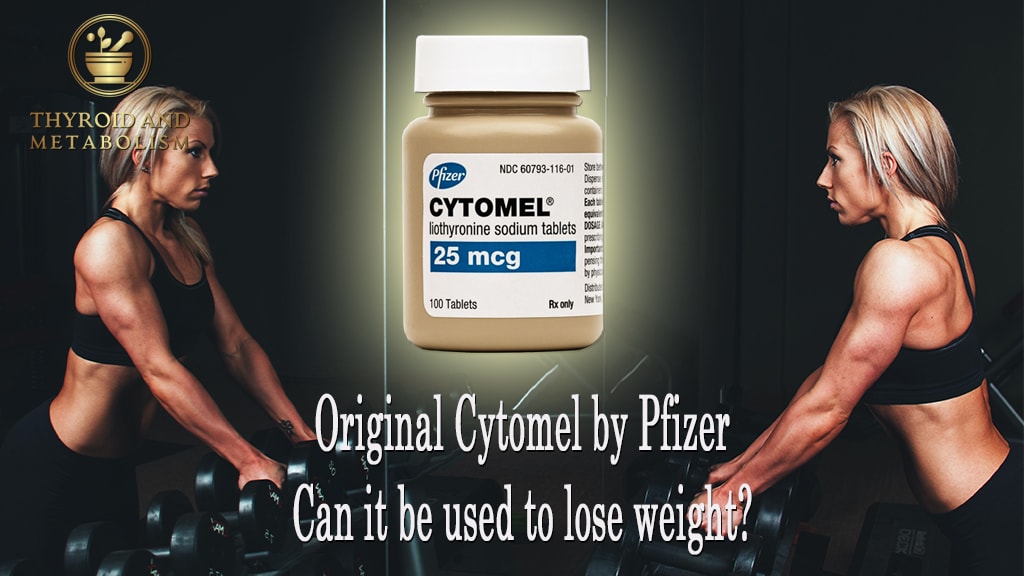
Liothyronine (T3) is the synthetic form of the triiodothyronine hormone. Unlike T4, T3 is the more active form that directly influences the body’s metabolic processes. It is often prescribed in situations where a rapid response is needed, such as in severe hypothyroid states or certain thyroid cancer treatments. However, due to its potency and shorter half-life, liothyronine requires more frequent dosing than levothyroxine and poses a higher risk of causing symptoms of hyperthyroidism if not monitored closely.
Levothyroxine: The T4 Standard
Levothyroxine is the synthetic form of thyroxine (T4). It is the more common prescription for hypothyroidism due to its stability and the body’s ability to convert T4 into T3 as needed. Levothyroxine offers a consistent release of hormones into the bloodstream, facilitating once-daily dosing which helps in maintaining stable hormone levels.
!
BIG SALE | FAST SHIPPING
HOT PROMOTIONS!


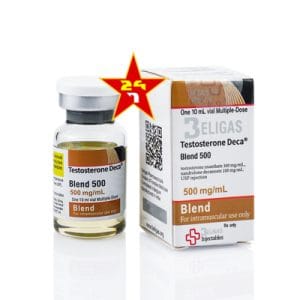

Beligas 10ml Vial Testosterone NPP Blend 150mg

Original price was: $ 119.00.$ 99.00Current price is: $ 99.00.
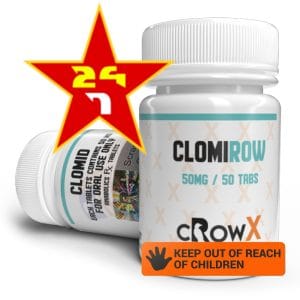
CROWX 👑 CLOMIROW 50 Mg / 50 Tabs ( Clomid )
Original price was: $ 79.00.$ 69.00Current price is: $ 69.00.
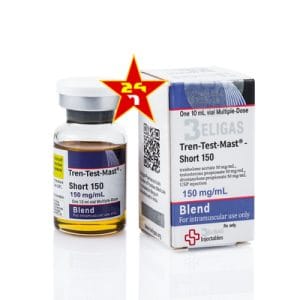
CLOMID 50MG FIERCE 50 TABLETS
Original price was: $ 129.00.$ 119.00Current price is: $ 119.00.
Liothyronine versus Levothyroxine: Key Considerations
Choosing between liothyronine versus levothyroxine depends on individual patient needs and specific medical considerations. Liothyronine may be advantageous for patients who do not adequately convert T4 to T3 or who have persistent symptoms despite optimal T4 levels. However, its use requires careful monitoring. On the other hand, levothyroxine is often favored for its predictability, ease of dosing, and lower incidence of side effects.
Conclusion
While both liothyronine and levothyroxine play crucial roles in thyroid hormone replacement therapy, their effectiveness can vary based on a patient’s unique physiological response and underlying health conditions. It is essential for patients to engage in informed discussions with their healthcare providers to determine the most appropriate therapy.
FAQs
1. Which is more effective: Liothyronine or Levothyroxine?
Both medications are effective in treating hypothyroidism, but their efficacy depends on individual patient conditions. Levothyroxine is generally preferred due to its stability and ease of dose regulation.
2. Can Liothyronine and Levothyroxine be taken together?
In certain cases, doctors may prescribe a combination of both to address specific needs. However, this approach requires close monitoring.
3. What are the side effects of Liothyronine versus Levothyroxine?
Common side effects of both medications include heart palpitations, nervousness, and increased appetite. Liothyronine may more rapidly cause symptoms of hyperthyroidism compared to levothyroxine due to its potent nature.
For further insights into thyroid hormone replacement therapies, check out this resource and explore additional guides.
Choosing the right medication and dosage is a collaborative process involving both patient and healthcare provider, ensuring that the treatment aligns with the patient’s health goals and lifestyle needs.
Liothyronine and levothyroxine are two medications used in the management of hypothyroidism, a condition characterized by an underactive thyroid gland. Levothyroxine is a synthetic form of thyroxine (T4), the primary hormone produced by the thyroid gland, which is then converted into liothyronine, or triiodothyronine (T3), the more active form within the body. Levothyroxine is typically prescribed as a first-line treatment due to its longer half-life, which allows for stable blood levels and once-daily dosing. This helps to maintain a consistent thyroid hormone level, reducing the likelihood of fluctuations that can affect metabolic processes. On the other hand, liothyronine has a shorter half-life and acts more quickly, often used when a rapid response is needed, such as in cases of severe hypothyroidism or during thyroid hormone withdrawal in patients undergoing radioactive iodine therapy. Although both medications aim to achieve euthyroidism, or a normal thyroid state, the choice between the two can depend on individual patient needs, tolerance, and response to treatment, with some requiring a combination of both to achieve optimal results.