Low-Carb Diets Through the Ages: A Historical Perspective on Eating Less Sugar

Low-carb diets have garnered significant attention in recent years due to their purported benefits for weight loss and overall health. These diets limit carbohydrate intake, opting instead for increased consumption of proteins and fats. Common low-carb diets include the ketogenic diet, Atkins diet, and the paleo diet. Each approach offers unique guidelines but shares a common philosophy: reducing carbs to facilitate better health outcomes.
The core idea behind low-carb diets is that reducing carbohydrates leads to a decrease in insulin production, thereby forcing the body to burn stored fat for energy. This metabolic state, known as ketosis in the ketogenic diet, often results in rapid weight loss, making these diets attractive to those seeking quick results. Additionally, by emphasizing protein and healthy fats, such diets can help preserve muscle mass, which is crucial for metabolism and overall health.🍗
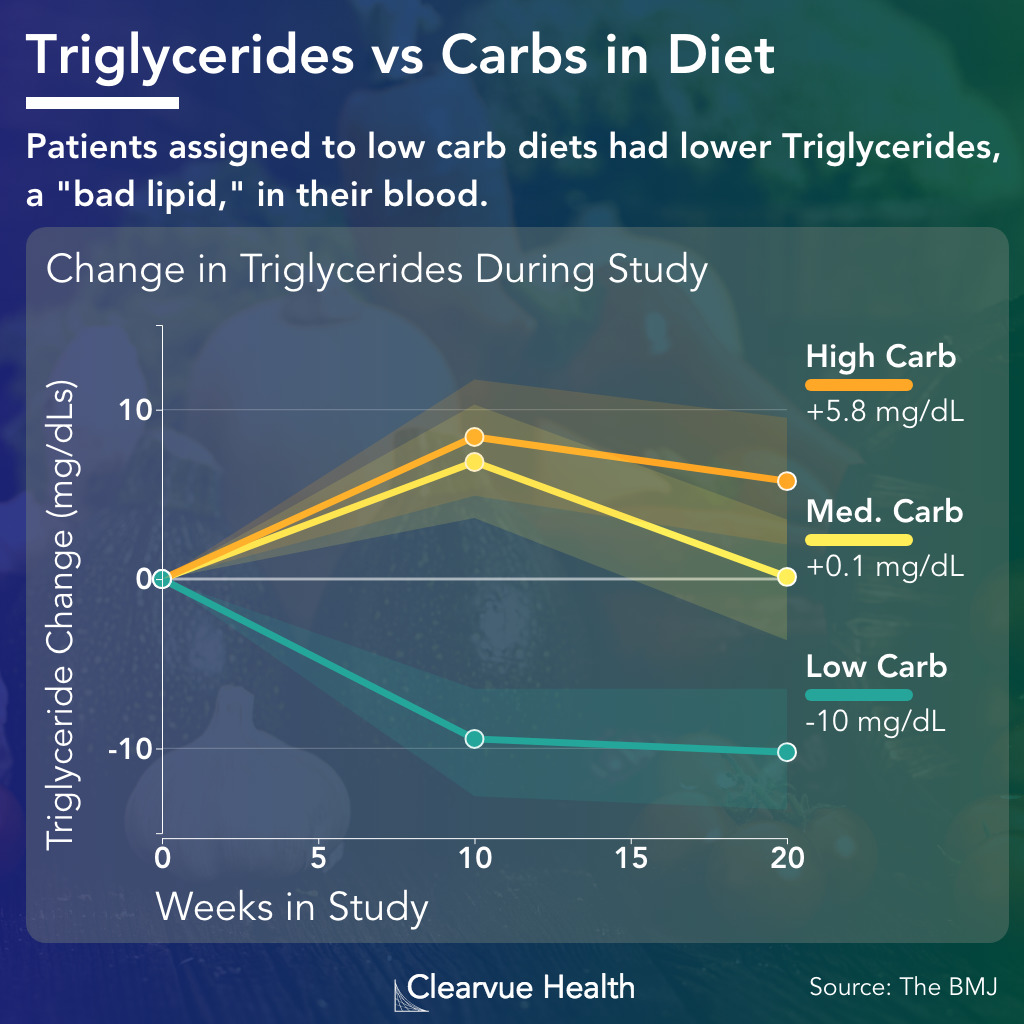
Beyond weight loss, reducing carbs can offer other health benefits. For instance, low-carb diets may improve blood sugar control for those with type 2 diabetes. By minimizing carb intake, insulin spikes are less severe, which can lead to improved glycemic control. Moreover, many people report feeling more satiated on a high-protein, high-fat diet, potentially leading to lower calorie consumption without feeling deprived. 🥗
However, it is essential to approach low-carb diets with caution. Carbohydrates are the body’s preferred energy source, particularly for high-intensity exercise and brain function. Cutting them significantly can lead to initial side effects such as fatigue, headache, dizziness, and irritability, popularly known as the “keto flu.” Therefore, those engaging in regular strenuous physical activity, like bodybuilding or high-intensity training, need to strategically manage their carb intake.
Incorporating a low-carb diet should involve gradually reducing carbs to allow the body to adapt while ensuring a balanced intake of micronutrients through vegetables and healthy fats. Consulting a healthcare provider before making significant dietary changes is advisable, particularly for individuals with chronic health conditions. 🥦
Conclusion
Low-carb diets can be effective for weight loss and may offer other benefits such as improved blood sugar control. However, like any dietary change, they require careful planning and consideration of individual health needs and lifestyle factors. Transitioning to a low-carb diet should be done thoughtfully to ensure long-term success and sustainability.
FAQs:
1. Is a low-carb diet suitable for everyone?
While many people can benefit from a low-carb diet, it may not be suitable for everyone, especially those with specific medical conditions. Consulting a healthcare provider is crucial before starting any new diet plan.
2. How long does it take to see results on a low-carb diet?
Results can vary depending on several factors, including initial body weight and adherence to the diet. Some individuals may see rapid weight loss within the first few weeks, while others might experience more gradual results.
3. Can I participate in high-intensity workouts on a low-carb diet?
With careful planning, individuals can engage in high-intensity workouts on a low-carb diet. It may involve carb cycling or incorporating healthy carb sources pre- and post-exercise to fuel performance and recovery.
To learn more about customizable solutions for healthier lifestyles, you might find relevant offerings here: https://codecanyon.net/.
FREE SHIPPING
BIG SALE | FAST SHIPPING
HOT PROMOTIONS!
CYT 3 6MG | T3 | Yohimbe | Clen | Weight Loss Blend | 100 Tablets Total Kit 600mg

$ 69.00


AUCTUS Nandrolone Phenylpropionate NPP 100mg 10ml

Original price was: $ 109.00.$ 89.00Current price is: $ 89.00.




illustra** Grey Tops HGH 99.8% Purity 24iu x 1 vial

Original price was: $ 144.00.$ 109.00Current price is: $ 109.00.
SUSTANON 500 AUCTUS TESTOSTERONE BLEND 10ML

Original price was: $ 140.00.$ 119.00Current price is: $ 119.00.

Low-carb diets have gained significant popularity as a weight loss and health improvement strategy by emphasizing the reduction of carbohydrate intake, typically favoring higher proportions of proteins and healthy fats. The primary principle behind these diets is to encourage the body to burn fat for energy, a state known as ketosis, which can lead to weight loss and other potential health benefits such as improved blood sugar levels and reduced risk factors for metabolic syndrome. Popular variations include the ketogenic diet, Atkins diet, and paleo diet, each with its specific guidelines and restrictions on carbohydrate consumption. While many individuals report success with low-carb diets, including enhanced mental clarity and sustained energy levels, it is important to approach them with balance and medical guidance, as they may not be suitable for everyone, particularly those with certain medical conditions. Eating a variety of nutrient-dense foods, monitoring individual responses, and adjusting as necessary are crucial for maintaining health and achieving desired outcomes with a low-carb diet.