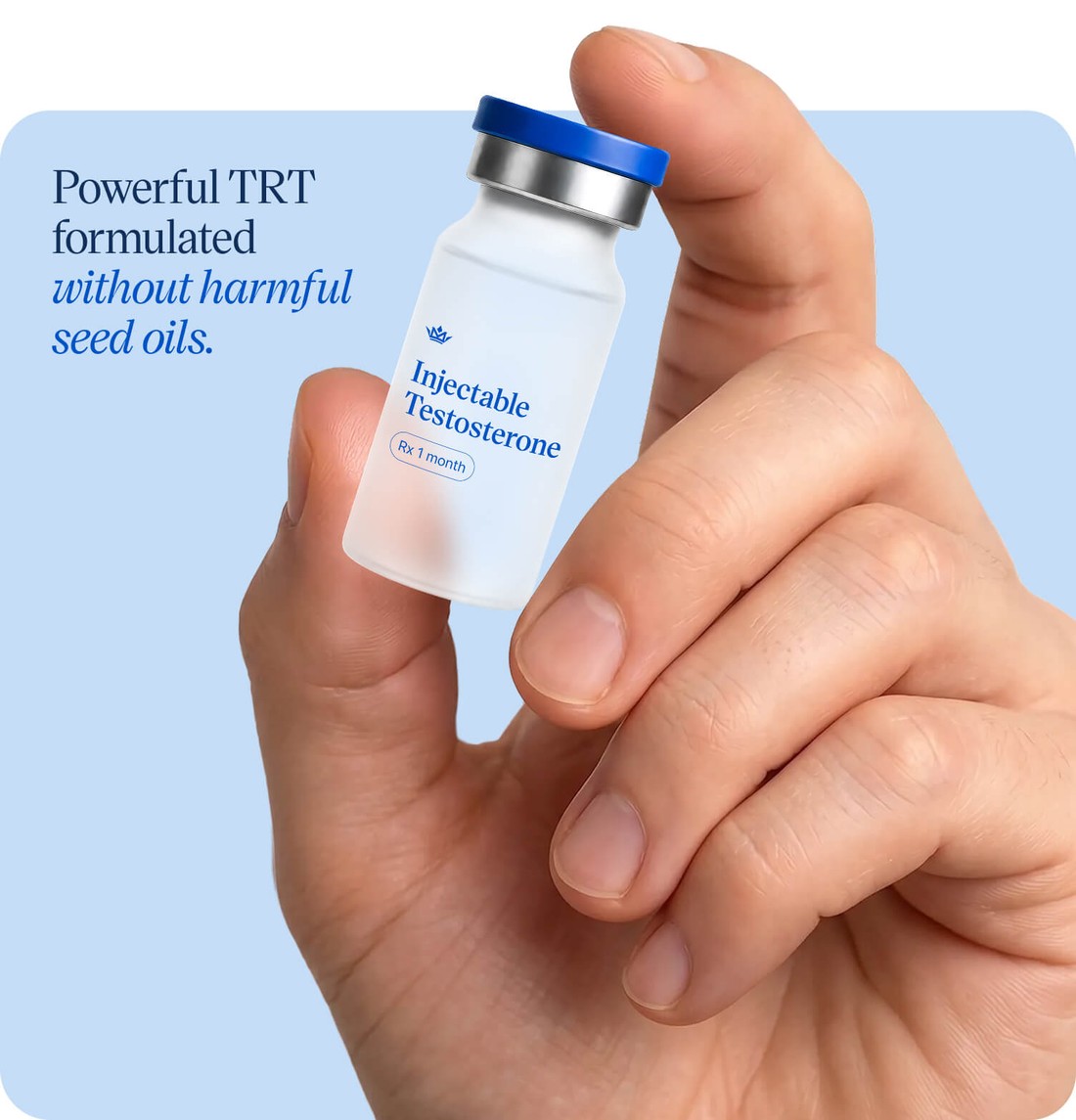

Low dose deca with trt
In the world of bodybuilding and powerlifting, athletes often seek ways to optimize their performance and recovery. One such approach that has gained attention is the strategic use of low dose Deca with TRT (Testosterone Replacement Therapy). This combination aims to provide the benefits of increased muscle growth and improved joint health while maintaining balanced hormone levels. In this article, we shall explore the specifics of this approach and its potential advantages.
The Synergy of Low Dose Deca with TRT
Deca-Durabolin, or nandrolone decanoate, is an anabolic steroid known for its ability to promote muscle growth and support joint health. When used in low doses alongside TRT, it offers a complementary effect. TRT helps maintain necessary testosterone levels in men, particularly those with natural deficiencies. Combining it with low dose Deca may amplify gains without the severe side effects often associated with higher doses of anabolic steroids.
Benefits of Low Dose Deca with TRT
The primary advantage of this combination is enhanced muscle mass. Low dose Deca contributes to muscle anabolism, allowing athletes to see more significant results from their workouts 🏋️. Additionally, Deca is praised for its ability to improve joint lubrication and reduce inflammation, which can be particularly beneficial for powerlifters and bodybuilders enduring intense physical stress.
TRT plays its role by ensuring that testosterone levels remain in the optimal range. This balance helps maintain energy levels, mood, and overall body composition. The synergy of these two components can lead to an improved quality of life and better performance.
Potential Risks
Like any intervention, using low dose Deca with TRT is not without risks. It is essential to consult a healthcare professional before beginning this regimen, as improper use can lead to unwanted side effects. These may include changes in cholesterol levels, suppression of natural testosterone production, and potential cardiovascular issues. Therefore, while the benefits can be appealing, they should be carefully weighed against the possible risks.
Conclusion
Utilizing low dose Deca with TRT can offer significant benefits for those in the bodybuilding and powerlifting communities. The potential to enhance muscle growth and joint health while maintaining hormonal balance is enticing. However, any decision to start this regimen should be taken with medical guidance and a clear understanding of one’s individual health circumstances. Always prioritize safety and informed decisions when considering such interventions.
FAQs
- What is the typical dosage for low dose Deca with TRT? Dosages can vary based on individual needs, but typically range between 100-200mg of Deca weekly alongside standard TRT dosage. Consultation with a healthcare provider is essential.
- Are there specific side effects to watch out for? Yes, potential side effects include hormonal imbalances, cardiovascular issues, and changes in mood or libido. Regular monitoring and medical supervision can help mitigate these risks.
- Is this combination suitable for everyone? No, individuals should consult with a specialist, especially those with pre-existing health conditions, to determine suitability.
BIG SALE | FAST SHIPPING
HOT PROMOTIONS!




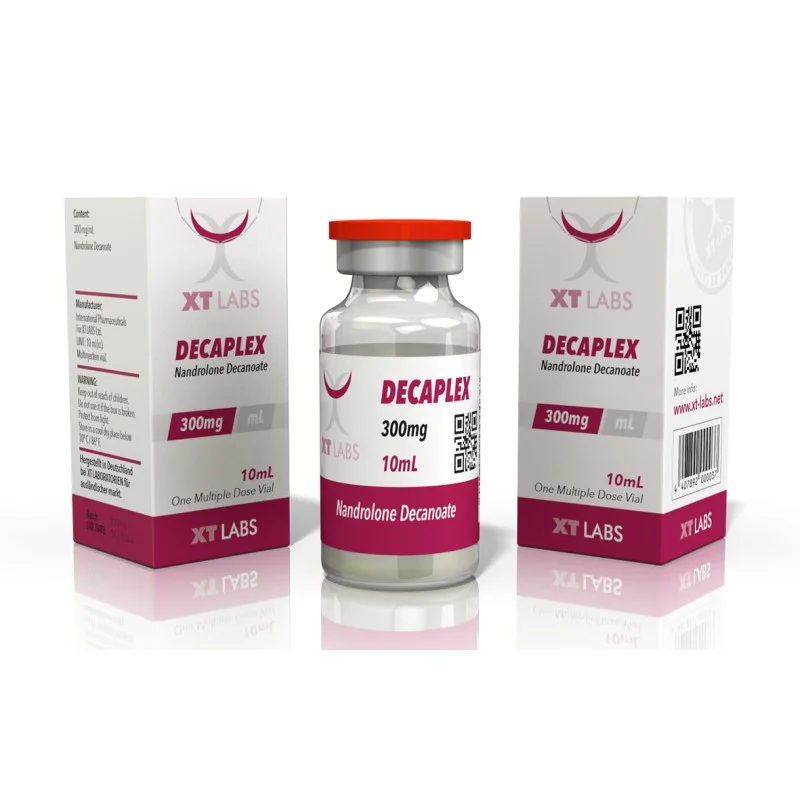
Low dose Deca, also known as Nandrolone Decanoate, combined with Testosterone Replacement Therapy (TRT), is a regimen some individuals explore to enhance joint health, muscle mass, and overall well-being. Deca is an anabolic steroid with a reputation for improving joint lubrication and collagen synthesis, which can be particularly beneficial for middle-aged and older individuals experiencing joint discomfort. When administered in low doses alongside TRT, Deca can complement the testosterone benefits by potentially enhancing muscle growth and recovery without excessively increasing the risk of adverse side effects commonly associated with higher anabolic steroid use. However, medical supervision is crucial as both TRT and Deca can impact hormonal balance, and potential side effects, such as changes in lipid profiles, cardiovascular strain, or suppression of natural testosterone production, should be carefully monitored. As with any hormonal therapy, considering individual health conditions and goals is essential to achieving safe and effective outcomes.