

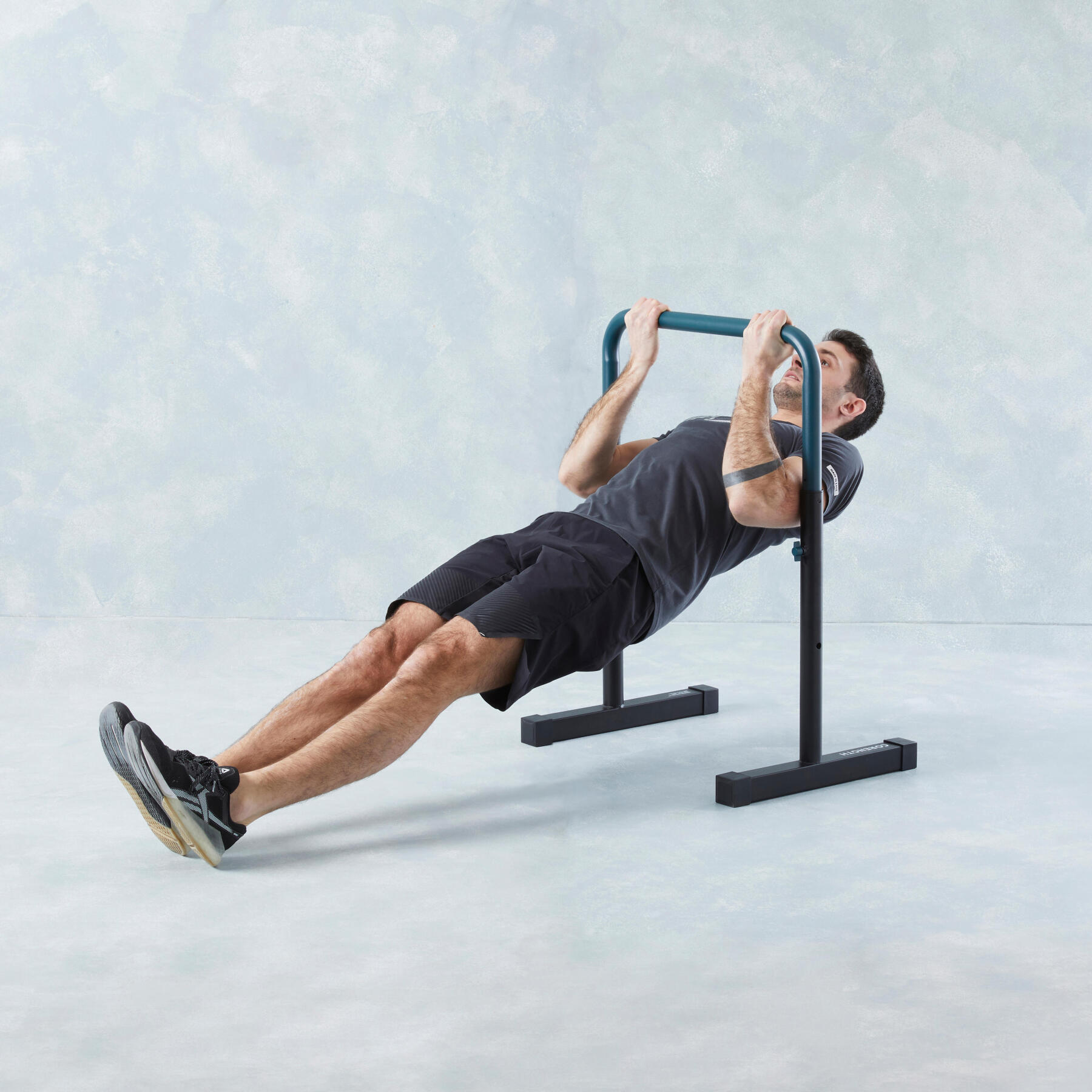
Master the Dip: Unlocking Upper Body Strength
TABLE OF CONTENTS

Dips are a classic bodyweight exercise that can significantly enhance your upper body strength and endurance. By targeting multiple muscle groups, including the chest, triceps, shoulders, and even the core, dips offer a comprehensive workout. This article will explore various types of dips, each offering unique benefits to diversify your exercise regime.
BIG SALE | FAST SHIPPING
HOT PROMOTIONS!


ZPHC UltraMix 1ml amps x 10 amps - 1ml = 250mg

Original price was: $ 259.00.$ 179.00Current price is: $ 179.00.


ZPHC Clomid Clomiphene 25mg/tablet | 100 Tablets Total: 2500mg

Original price was: $ 159.00.$ 65.00Current price is: $ 65.00.



Traditional Dips
Traditional dips are performed using parallel bars. You start by gripping the bars with your body suspended in the air, legs straightened. The movement involves lowering your body until your elbows are at a 90-degree angle and then pushing back up. These exercises are excellent for building the triceps and chest muscles. Ensure your form is correct to avoid unnecessary strain on your shoulders.
Bench Dips
Bench dips are a convenient modification suitable for beginners. They require a bench or any sturdy surface. Sit on the edge, hands next to your hips, and legs extended with heels touching the ground. Lift your body off the bench, lower yourself by bending the elbows, and then push back up. Bench dips effectively target the triceps, making them a perfect home workout exercise.
Ring Dips
Ring dips introduce an element of instability, which engages additional muscle groups, particularly the stabilizer muscles. Using gymnastic rings, you perform the exercise as you would with traditional dips. This variation requires more strength and control, making it ideal for advanced fitness enthusiasts looking to intensify their workouts. It is crucial to maintain proper form to prevent injuries.
Assisted Dips
For those who find traditional dips challenging, assisted dips provide a great option. Many gyms have assisted dip machines that counterbalance your weight, allowing you to build strength progressively. This variation allows beginners to perform the exercise with proper form, gradually reducing assistance as strength improves.
Korean Dips
Korean dips are a unique variation that places greater emphasis on the shoulders and chest. They are performed on parallel bars, but unlike traditional dips, your body leans forward significantly. This lean engages the chest muscles more intensely and requires a good deal of shoulder strength. Korean dips are ideal for those looking to add a challenging twist to their dip routine.
Tricep Dips
Tricep dips exclusively focus on the triceps. They can be performed on parallel bars or benches. When executing this variation, keep your elbows tucked close to your body to maximize the effectiveness on the triceps.
Conclusion
Dips exercises are versatile and effective for enhancing upper body strength. By incorporating different styles into your routine, you can ensure a comprehensive workout that targets multiple muscle groups. Whether you are performing them at home or in the gym, dips can be adapted to fit any fitness level.
Remember, it is crucial to maintain proper form to prevent injuries and maximize the benefits of these exercises. Overall, dips are a valuable addition to any fitness regimen.
FAQs
What muscles do dips target?
Dips primarily target the triceps, chest, and shoulders. Depending on the variation, they might also engage the core muscles and the stabilizing muscles surrounding the shoulders.
Can beginners perform dips?
Yes, beginners can perform modified versions like bench dips or use assisted dip machines found in gyms to help build strength safely.
How often should I include dips in my routine?
It’s ideal to include dips in your routine 2-3 times a week, allowing for rest days in between to enable muscle recovery and growth.
Are dips safe?
When performed with proper technique, dips are safe. It’s important to progress slowly, especially with advanced variations like ring or Korean dips, to avoid shoulder injuries.
For more guidance on exercise safety and workout plans, consider visiting these useful fitness websites.
Dips are a bodyweight exercise that primarily target the triceps, but also engage the shoulders, chest, and core muscles, making them an effective compound movement for upper body strength. This exercise can be performed using parallel bars or even the edge of a sturdy chair or bench, allowing for flexibility in execution across various settings, from the gym to home environments. When performing dips, it’s important to maintain good form by keeping the torso upright and elbows close to the body to minimize strain on the shoulders. By adjusting the width of the bars or the placement of the feet, one can modify the intensity of the exercise to suit different fitness levels. Regular incorporation of dips into a workout routine can enhance muscle endurance and contribute to a balanced and defined upper body physique.




