Master the Sumo Squat: A far-reaching indication to Perfecting Your Form
TABLE OF CONTENTS

The Sumo Squat: A Powerful Exercise for Stronger Legs
The sumo squat exercise is a variant of the traditional squat, offering a myriad of benefits while targeting different muscle groups. A favorite among fitness enthusiasts for its adaptability and efficiency, it is key for anyone aiming to enhance lower body strength and flexibility.
What is the Sumo Squat Exercise?
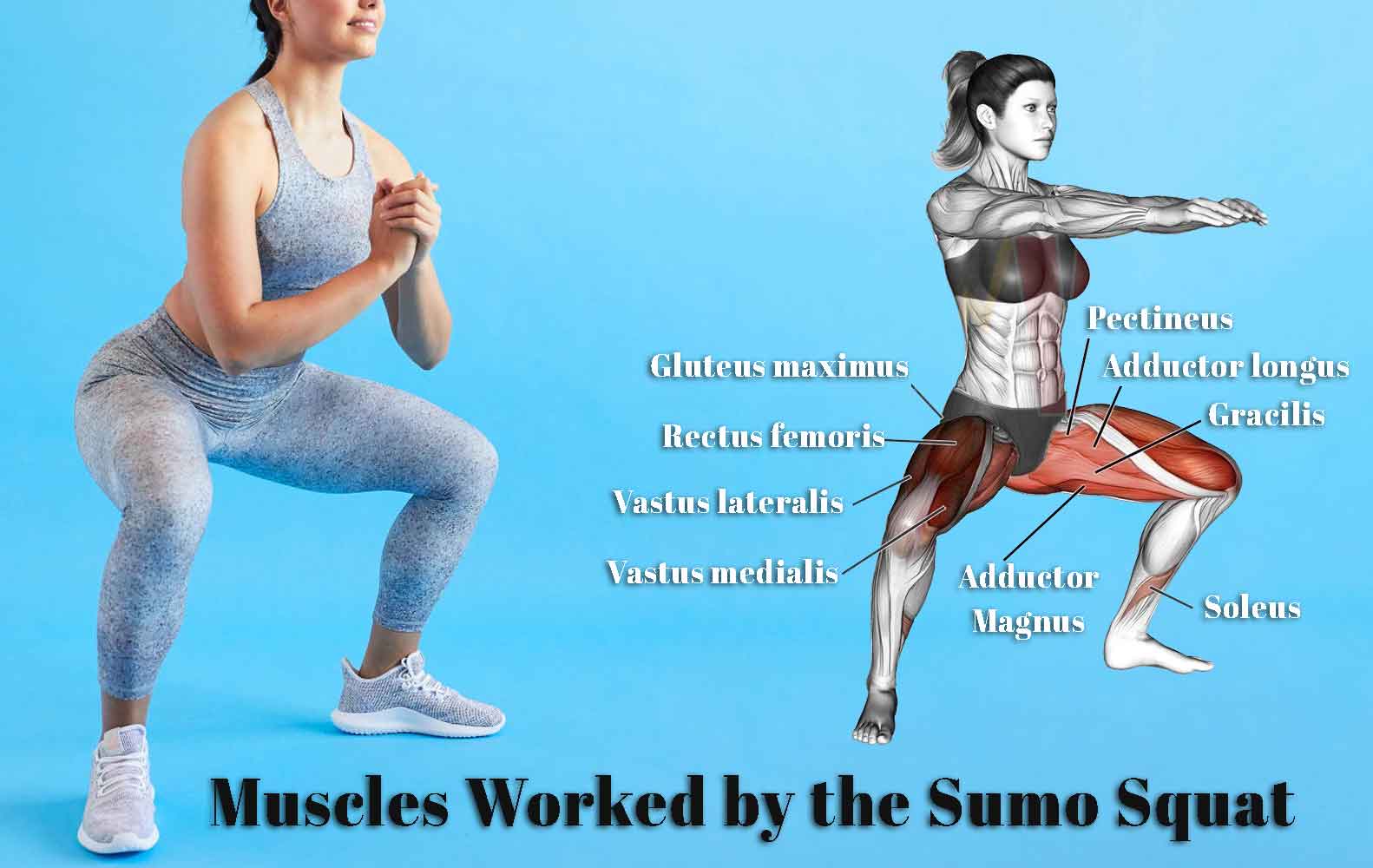
The sumo squat exercise is characterized by a wider stance compared to the conventional squat. Specifically, the feet are positioned wider than shoulder-width apart with toes pointing slightly outward. This stance variation places a unique emphasis on the inner thighs, adductors, glutes, quads, and hamstrings, fostering overall lower body development.
Benefits of the Sumo Squat Exercise
Adopting the sumo squat exercise into your workout routine offers numerous advantages:
- Targeted Muscle Engagement: The wide stance specifically activates the inner thigh muscles and glutes more intensively than a standard squat.
- Increased Flexibility: Regular practice can significantly enhance hip and groin flexibility, vital for overall athletic performance.
- Core Strength: Like most squat variations, the sumo squat exercise demands core stability, thus enhancing abdominal strength.
- Adaptability: Suitable for all fitness levels, this exercise can be modified by adding weights or increasing repetitions as strength develops.
How to Perform a Sumo Squat Exercise Correctly
- Position: Start by standing with feet wider than shoulder-width apart, and toes pointing slightly outward.
- Execution: Lower your body by bending your knees and keeping your back straight. Ensure your knees are aligned with your toes.
- Engage: As you squat down, engage your core for stability and keep your chest upright.
- Return: Push through your heels to return to the starting position, squeezing your glutes at the top.
For a more comprehensive step-by-step guide, refer to trusted resources like LiveStrong.
Incorporating Variations of the Sumo Squat Exercise
For those seeking variety or increased intensity, variations include:
- Dumbbell or Barbell Sumo Squats: Adding weights can enhance muscle engagement and strength requirements.
- Plyometric Sumo Squats: Introducing a jump into the routine adds a cardio component.
Conclusion
Incorporating the sumo squat exercise into your fitness regimen can provide significant improvements in strength, flexibility, and balance. By focusing on muscle groups often neglected by traditional squats, this exercise is ideal for developing a well-rounded lower body. Whether you’re an athletic novice or a seasoned gym-goer, this versatile movement delivers measurable benefits.
BIG SALE | FAST SHIPPING
HOT PROMOTIONS!







CYT 3 6MG | T3 | Yohimbe | Clen | Weight Loss Blend | 100 Tablets Total Kit 600mg

$ 69.00


FAQs
What is the main difference between a traditional squat and a sumo squat exercise?
The primary difference is the stance. The sumo squat involves a wider stance and focuses more on the inner thighs and glutes compared to the traditional squat.
Can beginners perform the sumo squat exercise?
Yes, it’s suitable for all fitness levels. Beginners should start without weights to master the form before progressing to variations with added resistance.
How many times a week should I perform the sumo squat exercise?
This depends on your overall workout program, but 2-3 times per week is generally adequate for noticeable gains, allowing for muscle recovery.
Are there any precautions I should take when doing a sumo squat exercise?
Ensure proper alignment of knees and toes to avoid strain. Start with body weight to perfect form before adding weights, and consult a fitness professional if you’re unsure.
The sumo squat is a dynamic lower-body exercise that targets the quadriceps, hamstrings, glutes, and inner thighs, offering an effective way to enhance leg strength and improve flexibility. Differing from the traditional squat, the sumo variant involves a wider stance with feet positioned significantly apart and toes turned out at a 45-degree angle, a posture reminiscent of sumo wrestlers, which helps in engaging the adductor muscles more intensely. Executing the sumo squat requires maintaining a straight back and engaging the core for stability while lowering the hips towards the ground until the thighs are parallel to the floor, then pushing through the heels to return to the starting position. This exercise is particularly beneficial for activating the inner thigh muscles, often overlooked in standard squat routines, and can be enhanced with added resistance such as dumbbells or kettlebells to increase the challenge and promote greater muscle hypertrophy. Incorporating sumo squats into a regular fitness regimen not only contributes to muscular development and endurance but also aids in improving overall mobility and balance.