
Master the Supination Curl: A Powerful Move for Sculpted Arms

Supination curls are an excellent addition to any strength training regimen, particularly for those looking to enhance their bicep appearance and strength. Unlike traditional bicep curls, supination curls call for a unique wrist twist that provides an intense focus on the muscles, maximizing your gains and ensuring a more comprehensive workout. This article will delve into the techniques, benefits, and variations of supination curls to help you better integrate this exercise into your training programs.
What are Supination Curls?
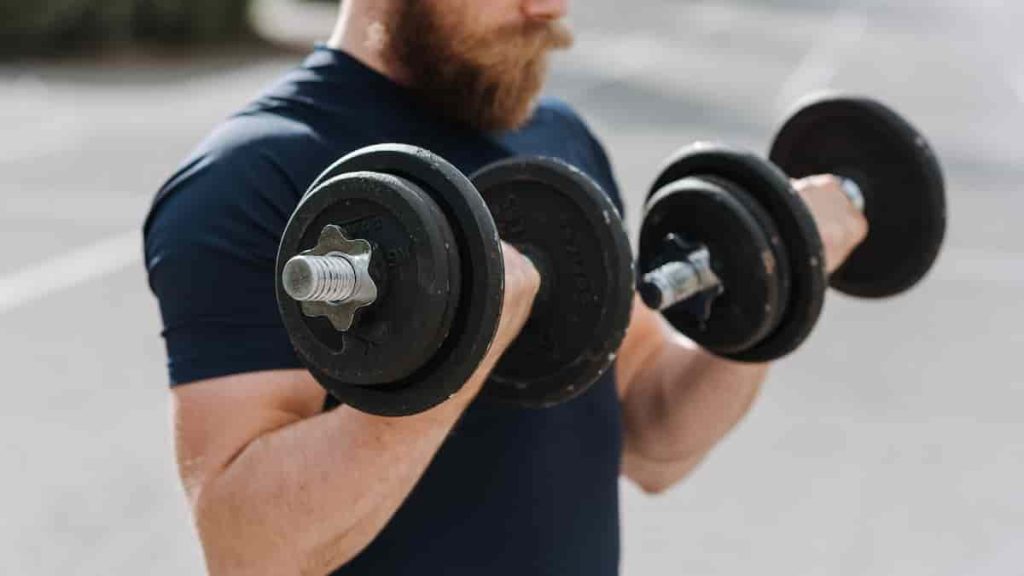
Supination curls are a weightlifting exercise that primarily targets the biceps brachii, but also recruits several other muscles in the arm and forearm. The movement entails curling a dumbbell from your side to your shoulder while rotating your wrist from a naturally facing position to a palm-up position at the top of the curl. This distinct wrist rotation is the key to engaging the bicep to its fullest extent – the reason behind the intensified muscle focus and efficient growth.
Benefits of Supination Curls
Firstly, supination curls deliver targeted muscle engagement. This exercise emphasizes the short head of the biceps brachii due to the natural twist, leading to more muscle activation and development. Secondly, they enhance muscular endurance. As you practice supination curls, you’ll find an improvement in your ability to sustain strength over prolonged periods of repetitions.
Moreover, supination curls may reduce the chance of injury due to their low-impact nature. The gradual motion allows your tendons and muscles to adjust, thereby minimizing injury risk. These curls also improve grip strength, as the wrist rotation necessitates a firmer hold on the weights, helping to fortify your grip over time.
Tips for Effective Supination Curls
To maximize the benefits of supination curls, proper form is crucial. Start by standing upright with a dumbbell in each hand, thumbs facing forward. Keep your elbows close to your sides and perform the curl by bending at the elbow and rotating your wrist to face upwards. Ensure your movements are controlled and deliberate to maintain tension in your biceps throughout the process.
Vary the weights and repetitions to match your skill level and strength goals. Beginners may prefer lighter weights with higher reps, whereas more advanced lifters may opt for heavier weights with fewer repetitions to focus on building strength.
Conclusion
Supination curls offer an effective means of honing your biceps and improving overall arm strength. By incorporating this exercise into your routine, you’ll benefit from improved muscle definition, enhanced endurance, and fortified grip strength. Focus on maintaining correct form, gradually increasing the weight, and varying your repetitions to suit your personal fitness objectives.
FAQs
What are common mistakes in performing supination curls?
Common mistakes include using too much weight, which can lead to poor form; swinging the weights and using momentum rather than muscle strength; and rushing through repetitions without maintaining control and tension.
How often should I do supination curls?
Incorporating supination curls into your workout routine 2-3 times a week is adequate, depending on your overall fitness goals and regimen. Ensure you allow time for muscle recovery between sessions.
Can I perform supination curls at home?
Absolutely. All you require are dumbbells and a bit of space. Keep these exercises incorporated into your home fitness routine by following proper form and gradually increasing intensity.
BIG SALE | FAST SHIPPING
HOT PROMOTIONS!









CLOMIPHENE TABLETS 50mg 50 TABLETS FIERCE

Original price was: $ 99.00.$ 89.00Current price is: $ 89.00.
For further reading on fitness and exercise techniques, consider visiting Verywell Fit or Healthline.
By enhancing your understanding and execution of supination curls, you’ll pave the way to a more well-rounded and effective strength training routine.
Supination curls are a variation of the traditional bicep curl that specifically targets the biceps brachii, primarily engaging the long head of the muscle to enhance its peak. This exercise incorporates the supination of the forearm, which means rotating the forearms so that the palms face upwards or beyond that point during the lifting motion. By starting with a neutral grip and rotating the wrist during the curl, this movement works not only the biceps but also engages the forearm muscles, improving wrist stability and grip strength. Supination curls can be performed with a variety of equipment, such as dumbbells, cables, or barbells. By emphasizing both the flexion and rotational aspects of the arm, supination curls help develop well-rounded and aesthetically impressive biceps, which is beneficial not just for aesthetic purposes but also for improving performance in activities that require pulling or lifting.