
Mastering the Leg Raise: Tips for Building Core Strength

The leg raise is a versatile exercise that targets the abdominal muscles along with the hip flexors. It’s a popular component of fitness routines due to its effectiveness and the minimal equipment required. Whether you’re a beginner or an experienced athlete, incorporating this exercise into your workout can help improve core strength, stability, and flexibility.
Benefits of the Leg Raise
The primary advantage of the leg raise is its focus on the core. A strong core is crucial for overall fitness, as it supports the spine, enhances balance, and aids in performing a wide range of physical activities. Additionally, this exercise helps in strengthening the hip flexors, which are essential for movements involving the legs and lower body.
Moreover, performing leg raises can improve posture by engaging and strengthening the lower abdominal muscles. This engagement helps support the potential reduction in lower back pain, as a strong core acts as a protective mechanism for the spine.
How to Perform the Leg Raise
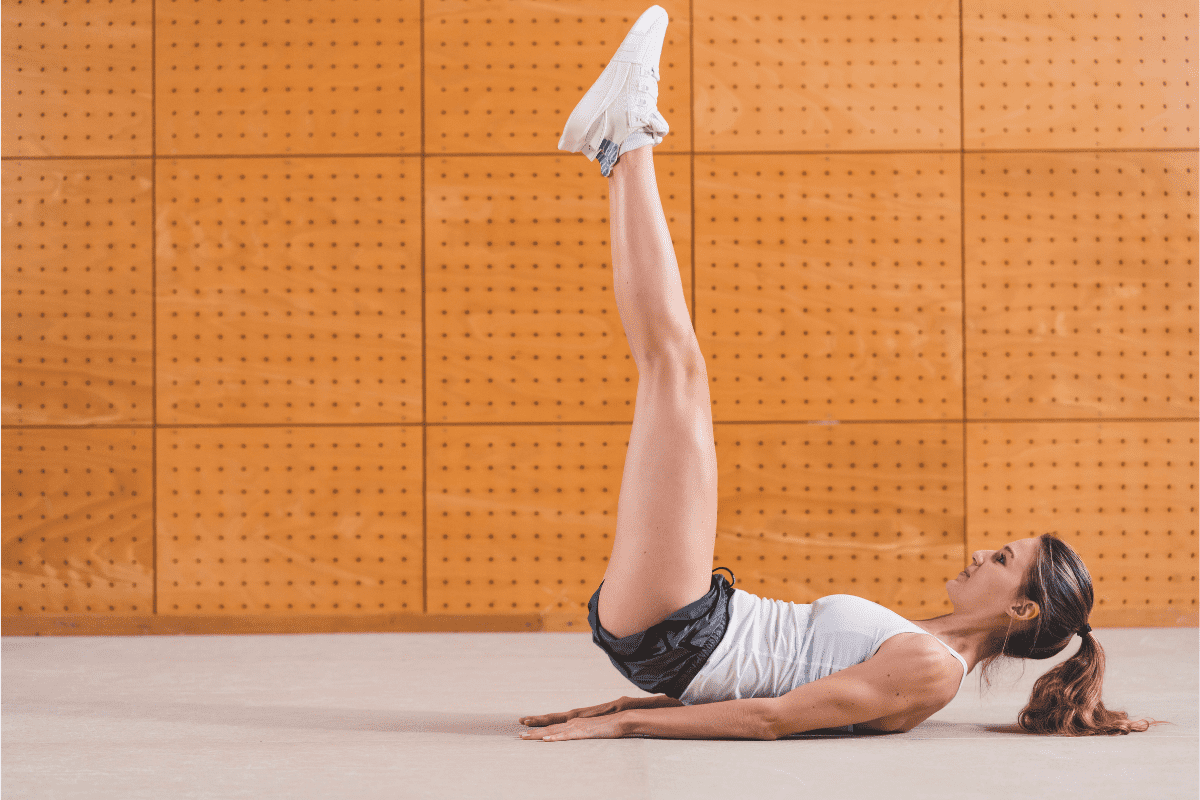
To get started with the leg raise, find a comfortable place to lie flat on your back, such as a mat or a soft surface. Ensure your arms are extended by your sides with palms facing down.
Slowly lift your legs off the ground while keeping them straight, stopping when they form a 90-degree angle with your torso. Hold this position for a moment before gently lowering your legs back without touching the ground. Repeat this motion as desired, focusing on maintaining controlled movements for maximum effectiveness.
Variations of the Leg Raise
While the traditional leg raise is effective, there are several variations to increase intensity or engage different muscle groups. Some options include:
- Hanging Leg Raise: Requires hanging from a pull-up bar and lifting the legs to engage core muscles more intensely.
- Weighted Leg Raise: Involves placing a weight between the feet for added resistance.
- Side-Lying Leg Raise: Targets the obliques and the outer thighs by lifting one leg while lying on your side.
Conclusion
Incorporating the leg raise into your fitness routine can yield numerous benefits from strengthening the core to enhancing overall athletic performance. By understanding its variations and proper technique, you can tailor this exercise to fit your personal fitness level and goals.
Frequently Asked Questions (FAQs)
- Is the leg raise suitable for beginners?
- Yes, it can be modified to suit beginners by bending the knees slightly during the lift.
- How often should I do leg raises?
- Incorporate it into your routine 2-3 times a week for optimal results.
- What muscles are primarily worked during this exercise?
- The rectus abdominis and hip flexors are primarily engaged during the exercise.
BIG SALE | FAST SHIPPING
HOT PROMOTIONS!
Beligas 10ml Vial Testosterone NPP Blend 150mg

Original price was: $ 119.00.$ 99.00Current price is: $ 99.00.

CLOMID 50MG FIERCE 50 TABLETS

Original price was: $ 129.00.$ 119.00Current price is: $ 119.00.





CROWX 👑 CLOMIROW 50 Mg / 50 Tabs ( Clomid )

Original price was: $ 79.00.$ 69.00Current price is: $ 69.00.

A leg raise is a foundational exercise commonly used to strengthen the abdominal muscles, particularly the lower abs, and improve core stability. This versatile movement involves lying flat on the back, with arms positioned either under the glutes or beside the body, and lifting the legs toward the ceiling while keeping them straight. The key to maximizing the effectiveness of leg raises is maintaining a controlled motion, engaging the core throughout, and avoiding arching the lower back. Variations of the leg raise, such as hanging leg raises or incline leg raises, can increase the challenge and further activate the hip flexors and oblique muscles. Incorporating this exercise into a regular fitness routine can enhance overall core strength, contribute to better posture, and support lower body muscle engagement, proving beneficial for athletes, fitness enthusiasts, and those seeking to improve their physical health.