Mastering the Snatch Grip Deadlift for Full-Body Gains
TABLE OF CONTENTS

The snatch grip deadlift is a powerful variation of the traditional deadlift that focuses on improving overall strength and enhancing upper body mass. It is distinguished by its wide grip, which requires the lifter to engage different muscle groups than the conventional deadlift. In this article, we will explore the benefits, techniques, and key considerations surrounding the snatch grip deadlift.
Understanding the Snatch Grip Deadlift
The snatch grip deadlift involves using an overhand grip that is significantly wider than the shoulders. This particular grip engages the upper back, traps, and shoulders more intensively, promoting better posture and core stability. Unlike the conventional deadlift, the snatch grip deadlift demands greater flexibility and mobility due to the greater range of motion.
Execution and Techniques
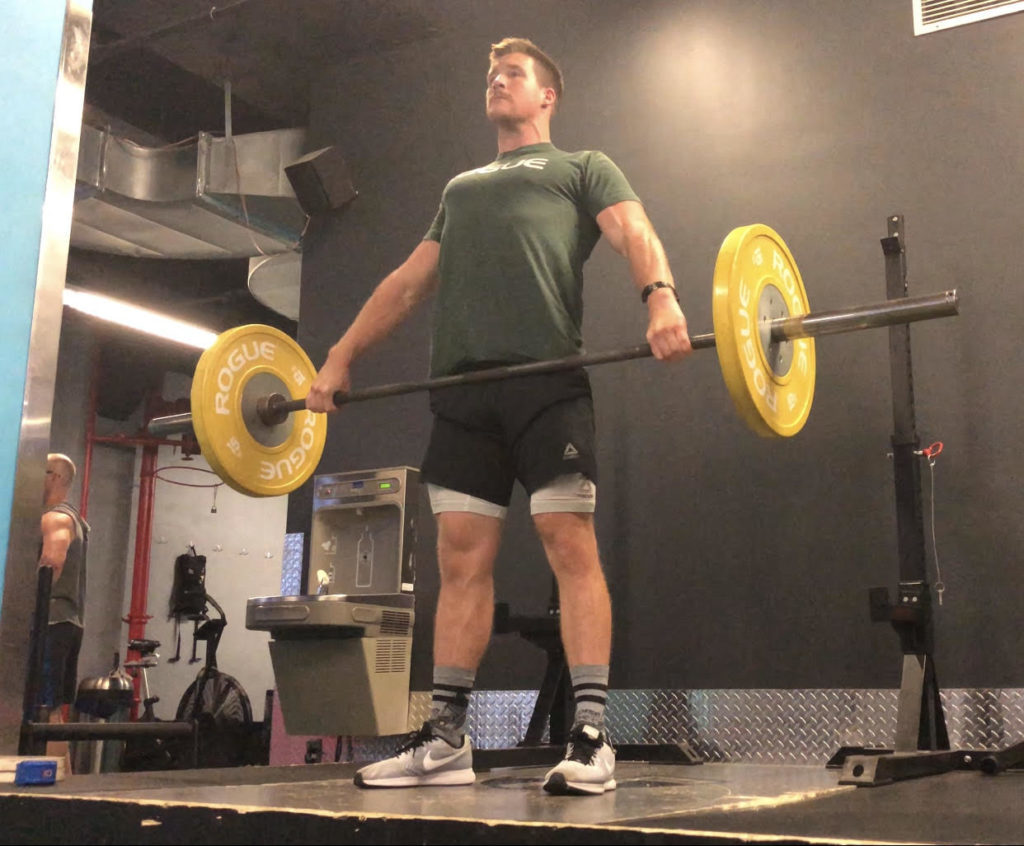
To execute a snatch grip deadlift, begin by positioning your feet shoulder-width apart. With the barbell on the ground, approach it until your shins are nearly touching it. Bend at the hips and knees, reaching down to grasp the bar with an overhand grip that is wider than your shoulders. Your hands should be closer to the weight plates, mimicking the grip used in a snatch lift.
Maintain a neutral spine, with your chest up and shoulders back. Engage your core as you lift the bar by extending through your knees and hips. Once the bar passes your knees, pull your shoulders back and stand tall. Lower the bar with control, bending at the hips and knees, to return to the starting position.
Benefits of the Snatch Grip Deadlift
The snatch grip deadlift offers several benefits. Firstly, it strengthens the upper body muscles, particularly the traps, shoulders, and upper back. The wide grip also encourages greater lat engagement, which is crucial for building a broader back. Additionally, this deadlift variation enhances grip strength due to the challenging hand position, benefiting other lifts that rely on a firm grip.
Furthermore, the snatch grip deadlift improves flexibility and mobility, especially in the hips and hamstrings. This increased range of motion can translate to better performance in Olympic lifts, such as the snatch and clean and jerk.
Conclusion
Incorporating the snatch grip deadlift into your strength training regimen can yield significant benefits, from increased upper body strength to enhanced flexibility. By adopting proper technique and focusing on gradual progression, lifters can effectively implement this powerful exercise to achieve their fitness goals.
FAQs
What is the difference between the snatch grip deadlift and a conventional deadlift?
The primary difference lies in the grip width. The snatch grip deadlift uses a wide grip, engaging upper back and shoulder muscles more than a conventional deadlift, which typically uses a shoulder-width grip.
How does the wide grip affect the muscles worked?
The wide grip in the snatch grip deadlift increases the activation of the upper back, traps, and shoulders, providing a more comprehensive challenge for these muscle groups.
Can beginners perform snatch grip deadlifts?
Yes, beginners can perform snatch grip deadlifts. It is recommended to start with lighter weights to master the technique before progressing.
Are there risks associated with the snatch grip deadlift?
As with any exercise, there is a risk of injury if performed with improper form. Lifters should focus on maintaining a neutral spine and proper grip to mitigate these risks. Consulting with a fitness professional can also help ensure safe execution.
For further reading on strength training techniques, check this page and explore more about efficient training methods here.
BIG SALE | FAST SHIPPING
HOT PROMOTIONS!

CLOMID 50MG FIERCE 50 TABLETS

Original price was: $ 129.00.$ 119.00Current price is: $ 119.00.
STADA MEGA CUTS BLEND 300 MG 10ML (TRENBOLONE)
Original price was: $ 129.00.$ 119.00Current price is: $ 119.00.







The snatch grip deadlift is a powerful variation of the conventional deadlift, characterized by a wider grip that resembles the snatch grip in Olympic weightlifting. This style of deadlift requires the lifter to hold the barbell with their hands placed significantly wider than shoulder-width apart, typically near the outer rings of an Olympic barbell. The wide grip forces the lifter to adopt a lower starting position, engaging more of the upper back, traps, and grip strength, while also intensely targeting the posterior chain, including the hamstrings, glutes, and lower back. The snatch grip deadlift not only enhances pulling strength but also improves flexibility and mobility, making it an excellent accessory lift for athletes looking to increase their overall strength and power. Furthermore, due to the increased range of motion and demand on stabilization, this variation can help improve posture and address imbalances, while simultaneously promoting muscular hypertrophy across a broader range of muscle groups.