Maximize Your Gains: The Ultimate Guide to Workout Splits
TABLE OF CONTENTS

Embarking on a fitness journey often requires more than just determination and effort. One of the key elements in creating a successful workout routine is the effective structuring of workout schedules. This brings us to the concept of workout splits, a strategy widely embraced by fitness enthusiasts and professionals alike to target specific muscle groups on different days.
Why Utilize Workout Splits?
Workout splits provide the advantage of focusing on specific muscles, allowing for comprehensive training without over-fatigue. By dedicating certain days to particular groups, you give each muscle the attention it needs while simultaneously affording them the necessary time to recover.
Common Types of Workout Splits
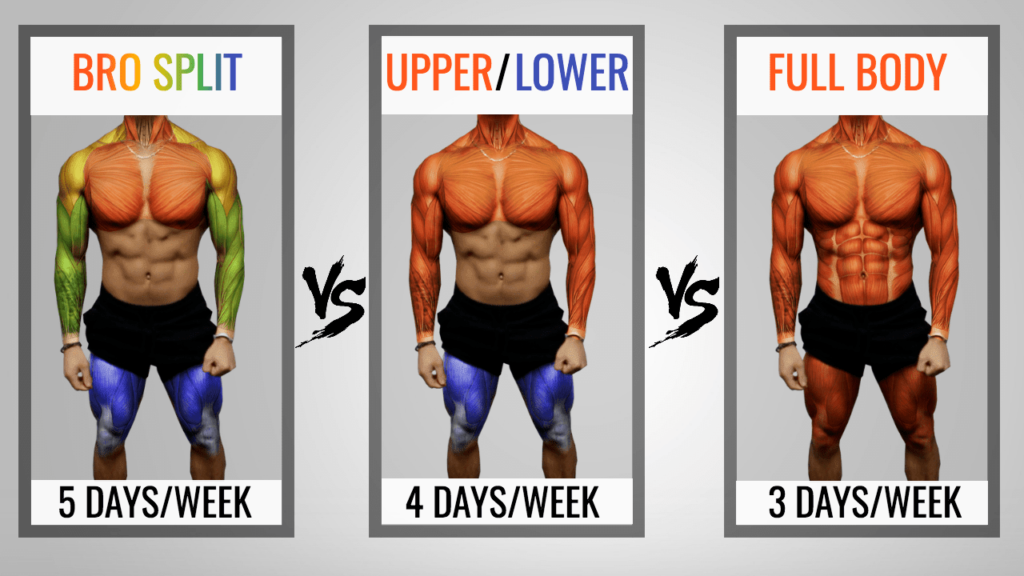
There are various types of splits available, accommodating different fitness levels and goals. One classic method is the Upper/Lower Split where the upper body is engaged on one day followed by the lower body on another. This strategy promotes muscle balance and symmetry.
Another popular category is the Push/Pull/Legs Split. Here, pushing movements like bench presses are grouped for one session, pulling movements such as deadlifts for the next, and leg exercises like squats subsequently. This approach is particularly beneficial for those looking to improve overall strength and muscle definition.
Full Body Splits are ideal for beginners or those short on time. By targeting every major muscle group during each session, you ensure all areas are regularly trained, although tailoring intensity is essential to avoid burnout.
Crafting Your Personalized Split Routine
Choosing the right routine largely depends on personal goals, schedule, and fitness level. Beginners might find solace in a straightforward Full-Body Split while more advanced individuals may leverage a Push/Pull/Legs structure. Regardless of choice, consistency and proper form remain paramount for optimal results.
Conclusion
Workout splits offer a structured method to enhance strength, endurance, and size systematically. With numerous types available, identifying the right one that aligns with your lifestyle and goals is crucial. Remember, the key is consistent adjustment to ensure progressive overload and adaptation.
FAQs
What if I miss a day in my split routine?
Missing a day isn’t the end of the world. Simply continue with the next scheduled workout or adjust to seamlessly integrate skipped exercises without overburdening any muscle group.
Can I mix different types of splits in a week?
Yes, as long as your body is given adequate recovery time. Mixing can bring variety and prevent plateaus but should be done cautiously to avoid overtraining.
How often should I change my workout split?
Changing your workout routine every eight to twelve weeks can help prevent stagnation, although listening to your body’s response remains a key factor.
BIG SALE | FAST SHIPPING
HOT PROMOTIONS!



ZPHC UltraMix 10ml MultiUse Vial 1ml = 250mg

Original price was: $ 255.00.$ 179.00Current price is: $ 179.00.

Beligas 10ml Vial Testosterone NPP Blend 150mg

Original price was: $ 119.00.$ 99.00Current price is: $ 99.00.



Workout splits refer to the strategic division of training sessions across different days to target specific muscle groups or types of exercise, optimizing both recovery and performance. This approach allows individuals to focus intensely on certain areas, ensuring thorough stimulation and development while giving other muscles time to recover. Common workout splits include push-pull-legs (PPL), where workouts are divided into pushing movements (chest, shoulders, triceps), pulling movements (back, biceps), and legs; the upper-lower split, focusing on upper body exercises one day and lower body the next; and the classic bro split, which targets different muscle groups on separate days, such as a chest day or a leg day. Splits can be adjusted to fit the individual’s fitness goals, time availability, and experience level, helping to prevent overtraining and plateaus by balancing volume, intensity, and rest. Ultimately, an effective workout split should align with a person’s specific objectives, whether it’s building strength, increasing muscle mass, or improving overall fitness.