MCH: Understanding Mean Corpuscular Hemoglobin Levels
TABLE OF CONTENTS

Mean Corpuscular Hemoglobin (MCH) is an essential parameter in the complete blood count (CBC) test used to evaluate the average amount of hemoglobin in a person’s red blood cells. Hemoglobin is a critical protein responsible for transporting oxygen throughout the body, and its levels are crucial for maintaining healthy physiological functions.
What is MCH?
When doctors assess MCH, they are determining the hemoglobin content per red blood cell. This measurement allows healthcare professionals to diagnose and monitor various medical conditions, including different types of anemia and other blood disorders. MCH is usually expressed in picograms (pg) and provides valuable insight into the body’s oxygen-carrying capacity.
Why is MCH Important?
MCH can offer significant indications about several health issues. Abnormally low MCH levels may suggest anemia due to iron deficiency or chronic disease, while elevated MCH levels might indicate macrocytic anemia. Understanding MCH is paramount for early diagnosis and management of these conditions, providing patients with better outcomes and quality of life.
MCH and its Role in Diagnosing Anemia
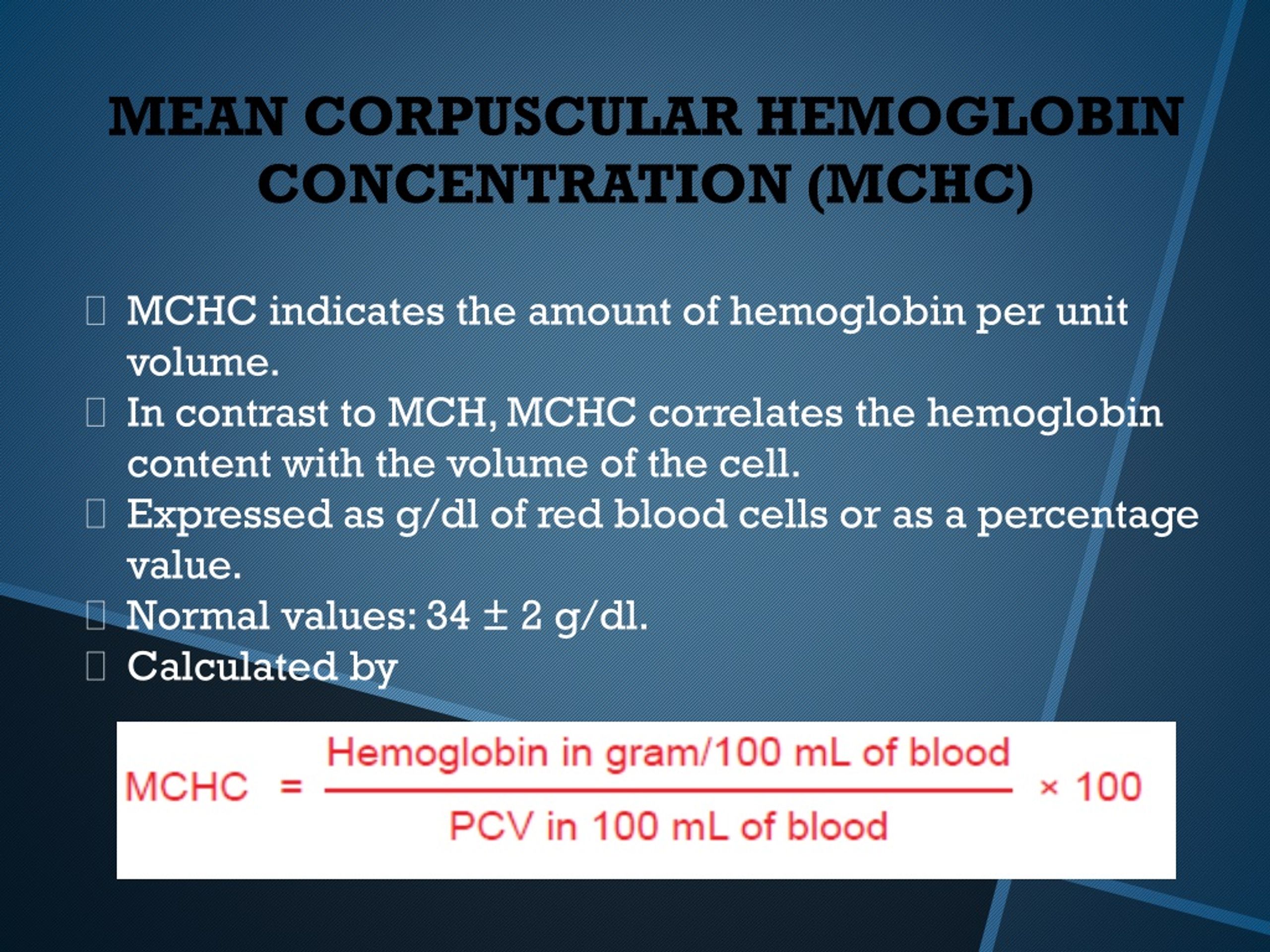
Anemia is a condition characterized by a lack of sufficient healthy red blood cells to transport adequate oxygen to the body’s tissues. By analyzing MCH, along with other red blood cell indices like Mean Corpuscular Volume (MCV) and Mean Corpuscular Hemoglobin Concentration (MCHC), doctors can differentiate between types of anemia, which is critical for determining the appropriate treatment plan. For instance, low MCH typically points to iron-deficiency anemia, whereas high MCH might indicate vitamin B12 or folate deficiency anemia.
Factors Affecting MCH Levels
Several factors can impact MCH, including nutritional deficiencies, genetic disorders, and medical conditions. A balanced diet rich in iron, vitamin B12, and folic acid is vital for maintaining normal MCH levels. Regular health check-ups and blood tests are important to monitor any changes in blood indices and address potential health issues timely.
Conclusion
Understanding Mean Corpuscular Hemoglobin is vital for diagnosing and managing various health conditions, particularly anemia. This blood index provides essential information that can lead to timely interventions and better health outcomes. Regular monitoring and a nutritious diet are simple yet effective ways to maintain healthy MCH levels.
For more comprehensive information about MCH and related health topics, consider exploring resources such as the American Society of Hematology (https://www.hematology.org/) and Mayo Clinic (https://www.mayoclinic.org/).
BIG SALE | FAST SHIPPING
HOT PROMOTIONS!

Fierce nandrolone decanoate 300 / ml 10ml

Original price was: $ 131.00.$ 119.00Current price is: $ 119.00.





CYT 3 6MG | T3 | Yohimbe | Clen | Weight Loss Blend | 100 Tablets Total Kit 600mg
$ 69.00
FAQs on MCH
What are the normal MCH levels?
Normal MCH levels typically range from 27 to 33 picograms per cell, although these values can slightly vary based on the laboratory and population.
How is MCH measured?
MCH is calculated by dividing the total mass of hemoglobin by the number of red blood cells, a common component of the CBC test.
Can diet influence MCH levels?
Yes, diet greatly influences MCH levels as nutrient deficiencies, especially in iron, vitamin B12, and folic acid, can lead to abnormal readings.
What are the symptoms of abnormal MCH levels?
Symptoms often include fatigue, weakness, shortness of breath, and pale skin. Medical consultation is crucial if these symptoms persist.
MCH, which also stands for Maternal and Child Health, is a crucial aspect of public health that focuses on improving the health and well-being of mothers, infants, and children. This field encompasses a wide range of services and initiatives aimed at reducing maternal and infant mortality rates, ensuring safe pregnancies and childbirth, and promoting the healthy development of children. MCH programs typically include prenatal and postnatal care, immunizations, nutrition education, and support for breastfeeding. These services are essential for addressing the unique health challenges faced by mothers and children and are often implemented through community health centers, hospitals, and government initiatives. By prioritizing maternal and child health, societies can lay the foundation for a healthier future generation and break cycles of poverty and poor health outcomes.