Methyltrienolone
TABLE OF CONTENTS

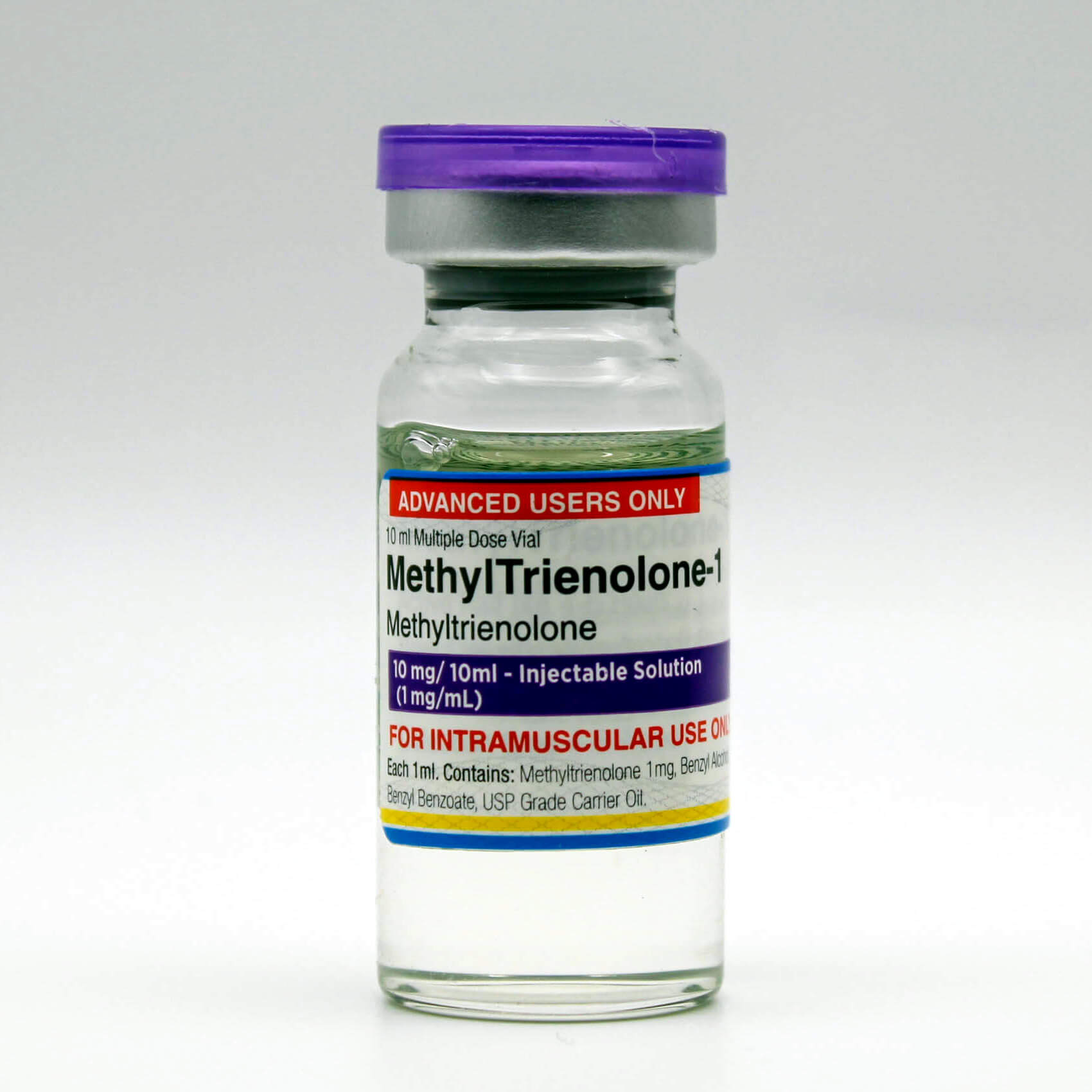
Methyltrienolone is a powerful anabolic steroid, highly distinguished for its potency and versatility among bodybuilders and athletes. Known for its muscle-building properties, it is regarded as one of the strongest oral steroids available. This article explores the uses, effects, and considerations of incorporating Methyltrienolone into fitness regimens.
The Structure and Benefits of Methyltrienolone
Methyltrienolone is a 17α-alkylated steroid molecule, chemically related to Trenbolone. Its design enhances anabolic activity while significantly reducing necessary doses. Due to its capacity to bind specifically to androgen receptors, it stimulates muscle growth and strength effectively. Users report dramatic results, including enhanced muscle mass, without the need for high dosages.
Potential Side Effects
Despite its benefits, Methyltrienolone is notorious for its hepatotoxicity, posing risks to liver health when not used cautiously. Common side effects include liver damage, acnes, hair loss, and mood swings. It’s essential for users to consult healthcare professionals and undergo regular monitoring while using this steroid. Incorporating supplements to support liver health can mitigate some risks.
Application in Bodybuilding
In bodybuilding, Methyltrienolone’s appeal lies in its capacity to promote lean muscle mass and strength. Often used during cutting phases, it helps in attaining a chiseled physique while minimizing water retention. Regular cycles, alongside a well-structured workout and nutrition plan, are pivotal to maximizing its benefits.
Therapeutic Uses
While primarily a performance-enhancing drug, research indicates potential therapeutic uses of Methyltrienolone in medical settings, such as hormone replacement therapy. In controlled doses, it may alleviate muscle wasting conditions, showcasing its versatility beyond bodybuilding.
Legal Considerations
Methyltrienolone is classified as a controlled substance in many regions, reflecting its potential for misuse and health risks. Users should be aware of the legal implications and acquire it through legitimate means, ensuring adherence to regional regulations regarding anabolic steroids.
Conclusion
In summary, Methyltrienolone stands out as a potent anabolic steroid known for its effectiveness in muscle building and strength enhancement. While its powerful effects make it a popular choice among athletes and bodybuilders, the risks associated with its use require careful consideration and responsible management. Always consult with healthcare professionals before incorporating it into any fitness or therapeutic regime.
FAQs
Q: Is Methyltrienolone safe for women?
A: Due to its potency, Methyltrienolone is generally not recommended for women as it can cause virilization effects.
Q: Can I use Methyltrienolone for long-term cycles?
A: Long-term use of Methyltrienolone is discouraged due to its hepatotoxic nature; short cycles are preferred to minimize liver damage.
Q: What legal issues surround Methyltrienolone?
A: It is considered a controlled substance in many areas, requiring users to follow legal guidelines and obtain it through legitimate channels.
Q: How can I protect my liver while using Methyltrienolone?
A: Incorporating liver-supportive supplements and regular health monitoring can help mitigate liver-related risks associated with its use.
FREE SHIPPING
BIG SALE | FAST SHIPPING
HOT PROMOTIONS!



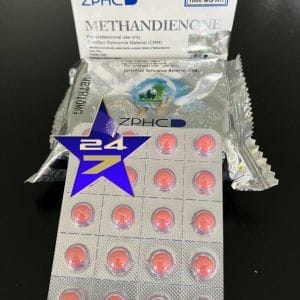
ZPHC Dbol Dianabol Methandienone 10mg x 100 tablets
Original price was: $ 99.00.$ 69.00Current price is: $ 69.00.
Methyltrienolone, often recognized for its potency, is a synthetic anabolic-androgenic steroid (AAS) that is structurally modified from nandrolone. Known for its exceptionally strong binding affinity to androgen receptors, it is considered one of the most powerful oral steroids available, albeit not approved for medical use in humans due to its hepatotoxicity. Its chemical structure allows it to withstand first-pass liver metabolism, leading to significant anabolic effects. However, these characteristics also contribute to its high risk of liver damage, making it less popular compared to other AAS. Though it has been explored for potential therapeutic applications, particularly in managing muscle wasting conditions, its side effects and risk profile limit its practical application primarily to fields of scientific research and, at times, illicit use in bodybuilding for athletes seeking extreme muscle gain and fat loss.