

Military Press: Techniques for Building Upper Body Strength

When it comes to building upper body strength, the military press is often a go-to exercise. Its effectiveness in targeting the shoulders and upper back makes it a staple in various workout routines. In this article, we’ll delve into the military press, exploring its benefits, proper techniques, and variations for all fitness levels.
What is the Military Press?
The military press is a compound exercise that primarily strengthens the shoulders, triceps, and trapezius muscles. It involves lifting a barbell or dumbbells overhead, requiring core stability and balance. While it primarily targets the deltoids, it also engages the core, making it an excellent full-body strength exercise.
Benefits of the Military Press
The military press is known for its numerous benefits. Firstly, it promotes shoulder hypertrophy, contributing to increased muscle mass and strength. Additionally, it enhances core stability and posture, as keeping the torso upright is necessary during the lift. This exercise can also aid in improving overall upper body strength and power, which is beneficial in athletic performance.
Proper Technique for the Military Press
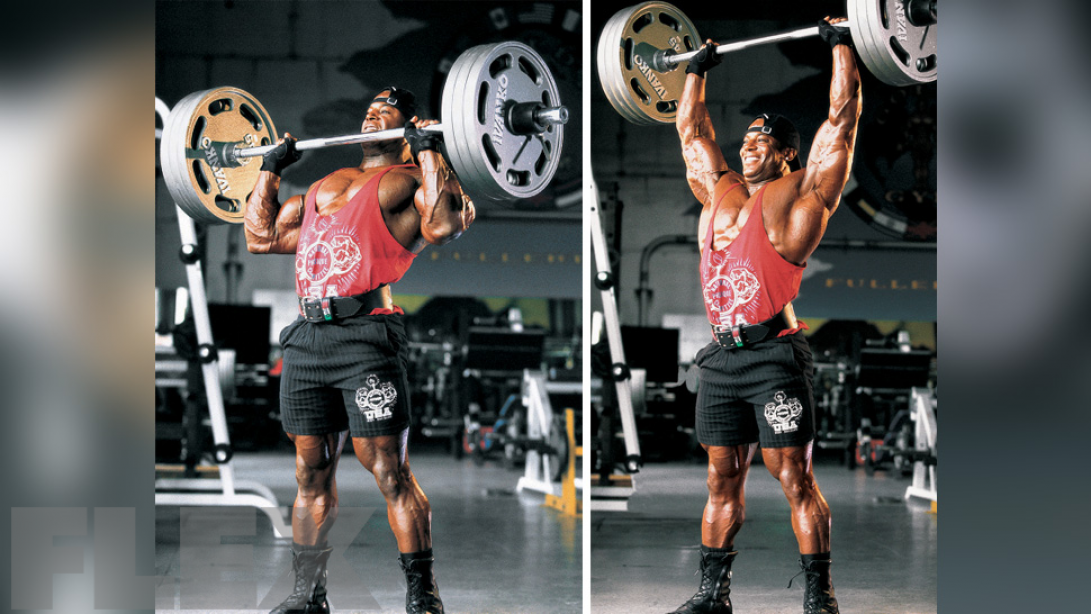
Executing the military press with correct form is crucial to prevent injuries and maximize efficiency. Here’s a step-by-step guide:
- Stand with your feet shoulder-width apart, holding a barbell at your collarbone with an overhand grip.
- Inhale deeply and brace your core.
- Press the barbell overhead while keeping your elbows slightly in front of your body.
- At the top, ensure your arms are fully extended and in line with your ears.
- Lower the barbell back to the starting position in a controlled manner.
Variations of the Military Press
To suit various fitness levels and goals, consider these popular military press variations:
- Seated Barbell Press: Ideal for isolating the shoulder muscles while supporting the lower back.
- Dumbbell Shoulder Press: Allows for greater range of motion and improves muscle imbalances.
- Arnold Press: A dynamic twist that targets multiple shoulder heads with a rotating movement.
- Behind-the-Neck Press: Advanced variation that focuses on the rear deltoids but should be performed with caution.
BIG SALE | FAST SHIPPING
HOT PROMOTIONS!


ZPHC UltraMix 10ml MultiUse Vial 1ml = 250mg

Original price was: $ 255.00.$ 179.00Current price is: $ 179.00.




FIERCE CLOMID 50MG 50CAPS

Original price was: $ 129.00.$ 119.00Current price is: $ 119.00.


Conclusion
Incorporating the military press into your workout regimen can significantly enhance upper body strength, shoulder mass, and overall fitness. Ensure you maintain proper form to prevent injuries and maximize the exercise’s benefits. With various adaptations available, you can tailor the military press to suit your specific fitness needs and goals.
FAQs
1. Is the military press suitable for beginners?
While the military press can be challenging, beginners can start with lighter weights and focus on mastering form before progressing to heavier loads.
2. How often should I perform the military press?
Incorporate the exercise into your program 1-2 times per week, allowing sufficient rest and recovery for the shoulder muscles.
3. Can I perform the military press without a barbell?
Absolutely! You can use dumbbells or resistance bands as alternative equipment for this exercise.
The military press, a fundamental exercise within strength training and bodybuilding, primarily targets the deltoid muscles in the shoulders while also engaging the trapezius, triceps, and core for stability. Performed typically with a barbell, this movement requires standing with feet shoulder-width apart, starting with the bar resting on the upper chest, and pressing it directly overhead until the arms are fully extended. The key to executing the military press effectively lies in maintaining a firm, stable core and a straight back, which helps prevent undue stress on the lower back and ensures the proper alignment of the spine throughout the lift. It is an excellent compound exercise that not only helps in building upper body strength but also enhances shoulder mobility and overall posture. As with any strength exercise, proper form is crucial to avoid injury, especially given the weight involved in pressing above the head.