Nandrolone vs. Trenbolone: The Pros and Cons of Each Steroid
TABLE OF CONTENTS

In the world of bodybuilding, achieving a well-sculpted physique often requires an intricate balance of training, diet, and supplementation. This article delves into two important anabolic substances—Nandrolone Phenylpropionate (Npp) and Trenbolone—commonly used in the bodybuilding community. Understanding their roles, benefits, and potential drawbacks is key to using them effectively without jeopardizing health.
Understanding Npp
Nandrolone Phenylpropionate, abbreviated as Npp, is an anabolic steroid that presents several benefits to athletes and bodybuilders. Known for its ability to enhance muscle growth and recovery, Npp is often sought after for its relatively mild side effects compared to other anabolic steroids. The compound is highly effective in boosting red blood cell formation, which, in turn, improves endurance and performance during workouts. Users of Npp report that it supports lean muscle retention while facilitating fat loss—a desirable combination for those seeking to build a lean and muscular physique.
Exploring Tren
Trenbolone, or tren for short, is renowned for its potent effects on muscle mass and strength gains. This compound is favored by seasoned bodybuilders who aim to achieve notable improvements in physique within short periods. Tren is appreciated for its effectiveness in increasing nitrogen retention in muscles, thus promoting an anabolic environment in the body. It also enhances the efficiency of nutrient absorption, allowing the user to maximize the benefits from their diet. However, tren presents substantial risks due to its potent nature, including potential cardiovascular strain and psychological effects such as aggression and mood swings.
Combining Npp and Tren
Some athletes opt to use Npp and tren together, believing that the combination may multiply the benefits of each individual compound. While this pairing might lead to rapid improvements in muscle size and strength, it is crucial to approach this practice with caution. Combining these substances can increase the likelihood of severe side effects, necessitating careful monitoring and potentially counteracting medications or post-cycle therapies to mitigate adverse effects. Additionally, strict adherence to dosages and cycling schedules is vital to minimize health risks.
Conclusion
A strategic and informed approach is imperative when considering the use of anabolic substances like Npp and tren in bodybuilding. Both have their unique advantages and drawbacks, making it essential for users to fully understand their implications. Balancing ambition with health is crucial in leveraging these substances to enhance athletic performance and physique. Ultimately, prioritizing safety and being aware of the legal and health considerations are critical steps when integrating these substances into a fitness regimen.
FAQs
- What is the ideal Npp and tren dosage for beginners? It is advised that beginners start with the lowest effective doses, typically guided by medical professionals or experienced bodybuilding mentors.
- Can women use Npp and tren? The use of these substances in women is generally discouraged due to the potential for virilization effects. Consulting with healthcare professionals before use is crucial.
- How long is a typical cycle when using these substances? A typical cycle might last between 4 to 8 weeks; however, this can vary based on individual goals and health considerations.
BIG SALE | FAST SHIPPING
HOT PROMOTIONS!



FIERCE CLOMID 50MG 50CAPS
Original price was: $ 129.00.$ 119.00Current price is: $ 119.00.

CYT 3 6MG | T3 | Yohimbe | Clen | Weight Loss Blend | 100 Tablets Total Kit 600mg
$ 69.00
Fierce nandrolone decanoate 300 / ml 10ml
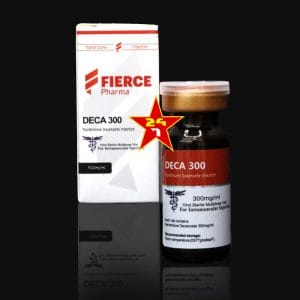
Original price was: $ 131.00.$ 119.00Current price is: $ 119.00.
STADA MEGA CUTS BLEND 300 MG 10ML (TRENBOLONE)
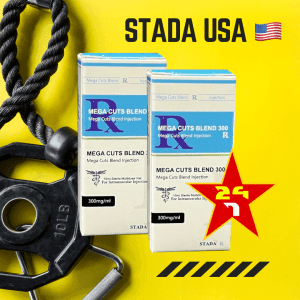
Original price was: $ 129.00.$ 119.00Current price is: $ 119.00.
Follow the latest trends in bodybuilding and powerlifting by keeping informed and staying motivated on your journey. #Bodybuilding #Bodybuildingmotivation #Powerlifting #Bodybuilder #Heavyweightlifting #Workoutathome #stayfit #bodybuilding
Net primary productivity (NPP) and the concept of a trend (often referred to as “tren” in datasets) are interconnected in environmental and ecological studies. NPP measures the rate at which plants and other photosynthetic organisms produce organic compounds in an ecosystem, minus the energy they use through respiration. It’s a vital metric for understanding the energy base available to support consumers in a food web. Observing trends in NPP over time can indicate shifts in ecosystem health, productivity, and the capacity to sequester carbon. For instance, an upward trend in NPP might suggest an increase in biomass due to favorable growth conditions such as improved climate, nutrient availability, or changes in land use practices. Conversely, a declining trend could highlight stresses like drought, deforestation, or climate change impacts, necessitating further investigation into the underlying causes and potential mitigation strategies. Monitoring these trends is essential for researchers and policymakers focused on sustainability and climate change resilience.