
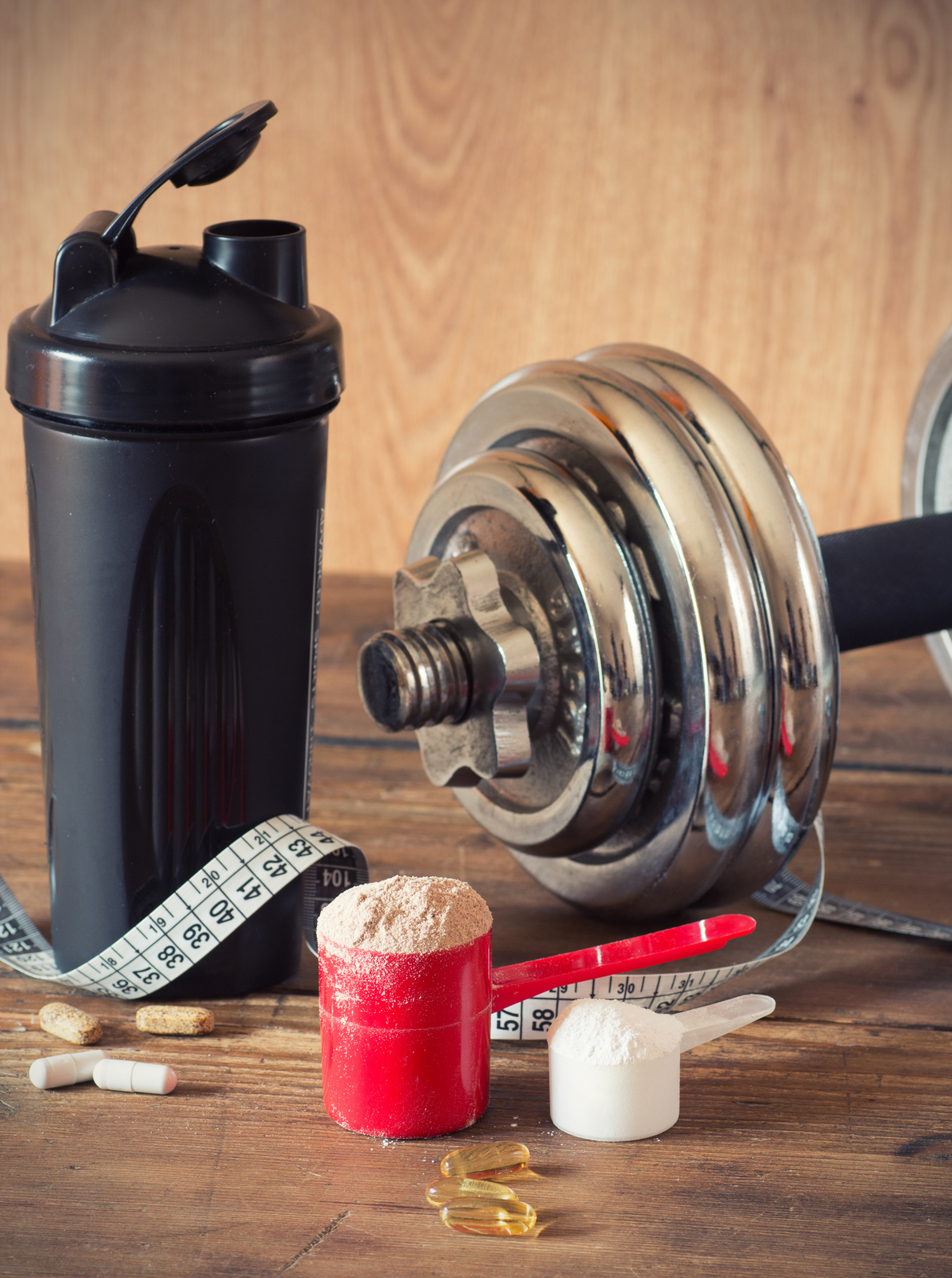
Nutrition and Performance: The Role of Diet in Steroid Use

The interaction between diet and steroids is a subject that often comes up in conversations about fitness and bodybuilding. Steroids are often associated with athletes and bodybuilders who aim for quick muscle growth and improved performance. However, to maximize the effectiveness and minimize the dangers, it’s crucial to pair steroids with the right diet.
The Role of Diet in Fitness
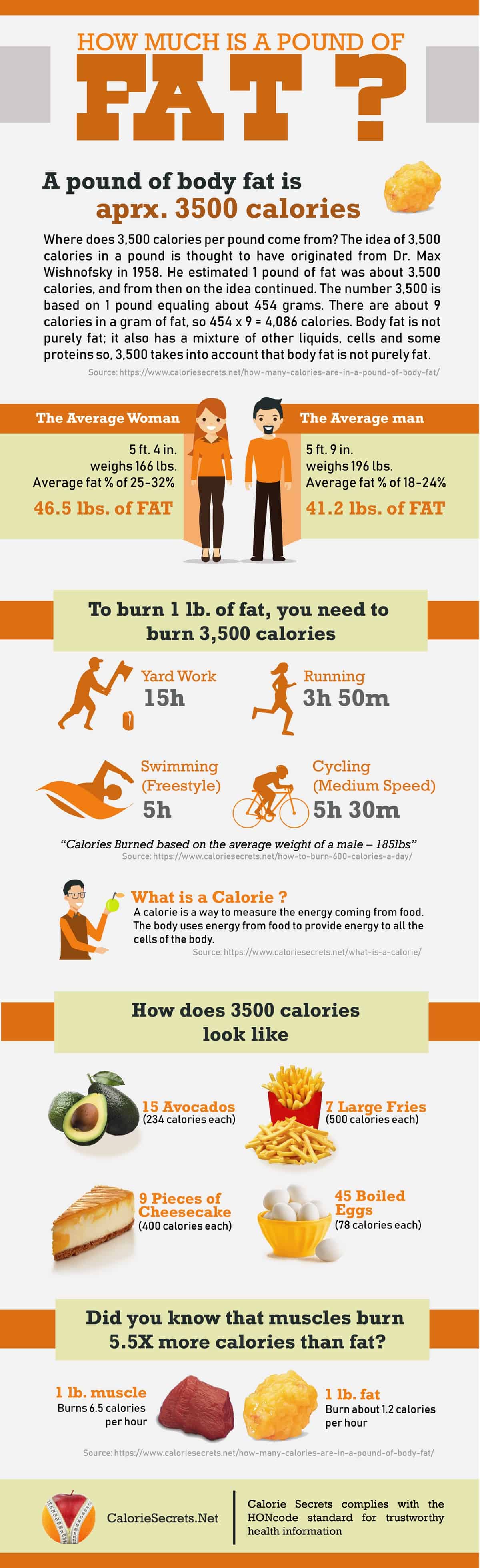
A well-balanced diet is fundamental for anyone pursuing fitness, including those using steroids. Consuming the right macronutrients and micronutrients can enhance the body’s ability to absorb and utilize anabolic compounds effectively. Proteins, healthy fats, and carbohydrates play pivotal roles in facilitating muscle growth and energy supply during workouts. 🥦
How Steroids Influence the Body
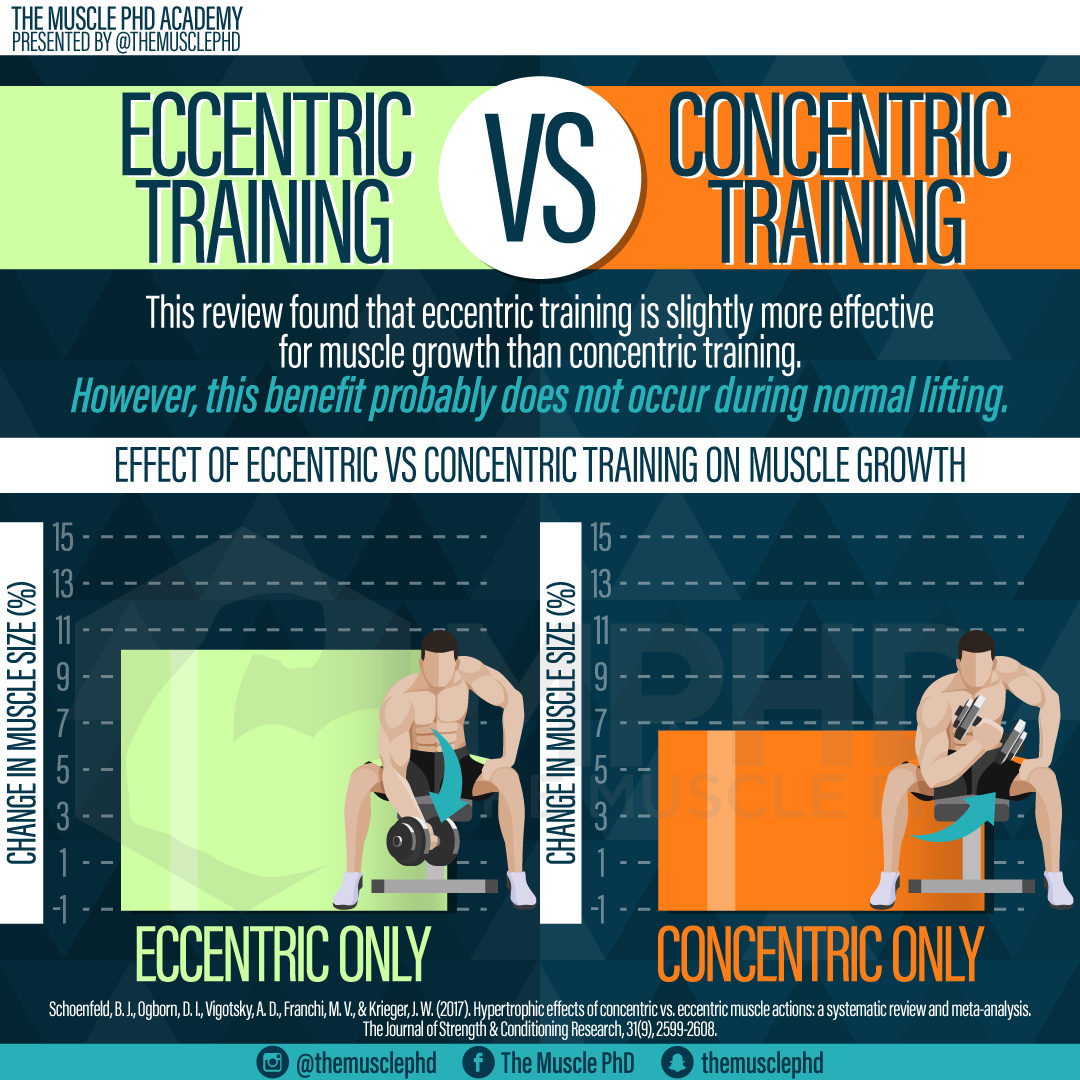
Steroids are synthetic substances similar to the male sex hormone testosterone. They promote muscle growth and enhance physical performance. While steroids can cause significant effects on their own, their benefits multiply when combined with a proper diet. It’s important to note that improper use of steroids can lead to severe health issues, including liver damage, heart problems, and changes in mood. Thus, medical supervision is strongly recommended.
Combining Diet and Steroids for Optimal Results
The synergy between diet and steroids can be impressive when applied correctly. A diet rich in protein helps repair and build muscle tissue, while carbs supply the necessary energy for intense workouts. Incorporating healthy fats is also vital, as they support hormone production and overall health. Proper hydration and a balanced intake of vitamins and minerals cannot be overlooked in this combination. 🥤
Conclusion
Understanding the dynamics between diet and steroids is critical for anyone looking to maximize their fitness journey. While steroids can provide quick gains, it’s the nutrition that supports and sustains these changes. The combination should always be cautiously approached, keeping health and safety as a priority. If you’re considering steroids, seek professional guidance and craft a nutrition plan that aligns with your fitness goals.
FAQs
Are steroids safe for everyone?
No, steroids are not safe for everyone and should only be used under medical supervision. The risks can outweigh the benefits when not monitored carefully.
What foods should I eat when on steroids?
Focus on a high-protein diet with plenty of whole foods, like lean meats, fish, eggs, legumes, fruits, and vegetables to support muscle growth and overall health.
Can I achieve fitness goals without steroids?
Absolutely. A structured diet and consistent exercise routine can help you achieve your fitness goals without the use of steroids.
FREE SHIPPING
HOT PROMOTIONS!
BIG SALE | FAST SHIPPING
Fierce sustanon 350mg / ml 10ml
Original price was: $ 119.00.$ 109.00Current price is: $ 109.00.
AXIOM TESTOSTERONE CYPIONATE 300MG 10ML

Original price was: $ 119.00.$ 99.00Current price is: $ 99.00.





CROWX 👑 CIAROW 25 MG / 50 Tabs (Sildenafil)
Original price was: $ 109.00.$ 99.00Current price is: $ 99.00.
Beligas RETHO Cialis 5mg/100tabs
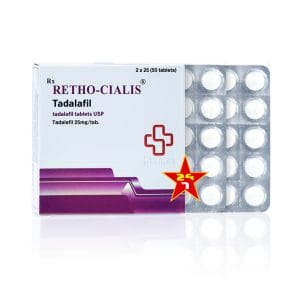
Original price was: $ 99.00.$ 69.00Current price is: $ 69.00.
SUSTANON 500 AUCTUS TESTOSTERONE BLEND 10ML

Original price was: $ 140.00.$ 119.00Current price is: $ 119.00.

Consider following these tips and stay motivated in your fitness journey! 💪
Hashtags:
#fitspo #fitnessaddict #abs #running #yoga #nutrition #instagram #goals #gains #diet #wellness #weightlifting #fitlife #follow #bodybuilder #life #fitnessgirl #getfit #boxing #run #fashion #powerlifting #inspiration #weightlossjourney #like #nopainnogain #photooftheday #body #bhfyp #gymtime
A balanced diet plays a crucial role in supporting overall health and fitness, providing the body with essential nutrients needed for energy, growth, and repair. It includes a variety of foods rich in carbohydrates, proteins, fats, vitamins, and minerals. While a well-structured diet can enhance physical performance and muscle growth, some individuals may resort to using anabolic steroids to accelerate these processes. Steroids are synthetic substances that mimic the effects of testosterone, promoting increased muscle mass and faster recovery times. However, their use can lead to severe health risks, including hormonal imbalances, cardiovascular issues, liver damage, and psychological effects such as aggression or depression. Moreover, steroids can undermine the long-term benefits of a healthy diet and exercise regimen by compromising the body’s natural balance. Therefore, prioritizing proper nutrition and exercise remains the safest and most sustainable approach to achieving fitness goals.