
Optimizing TRT Dosage: What You Need to Know
Understanding TRT Dosage: A Comprehensive Guide
Testosterone Replacement Therapy (TRT) is an evolving medical treatment designed to address low testosterone levels in men. Proper TRT dosage is crucial for achieving optimal outcomes while minimizing potential side effects. This article delves into the various aspects of TRT dosage to provide a solid understanding of this critical component.
Introduction to Testosterone Replacement Therapy
Testosterone is a vital hormone responsible for regulating numerous bodily functions including muscle growth, bone density, and mood stabilization. When testosterone levels dip below normal, it can lead to a host of issues such as fatigue, depression, and diminished libido. TRT is prescribed to replenish these levels and restore overall health.
The Importance of Proper TRT Dosage
Determining the correct TRT dosage is essential for effective treatment. An inappropriate dosage can either lead to insufficient benefits or worsen side effects. Therefore, a tailored approach, often overseen by a healthcare professional, is necessary to find the optimal balance.
Factors Influencing TRT Dosage
- Age: Older individuals may require lower doses due to slower metabolism.
- Body Mass: A higher body mass might necessitate a higher dosage.
- Baseline Testosterone Levels: Initial hormone levels will influence the required dosage.
- Health Conditions: Conditions such as kidney or liver disease may impact dosage decisions.
Common Forms of Testosterone Therapy
There are several forms of testosterone therapy, and the choice of therapy can affect the dosage. Some common forms include:
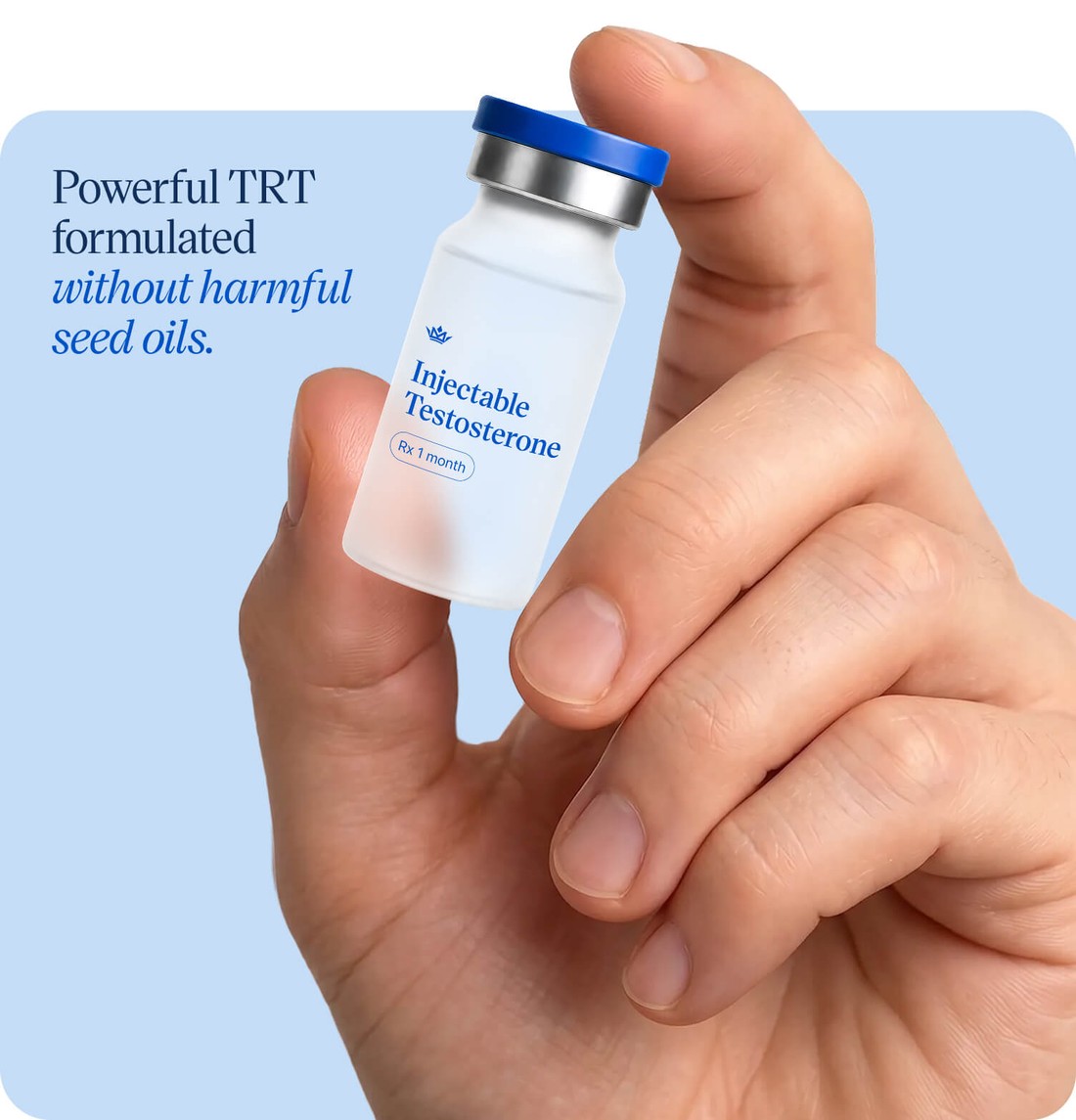
- Injectable Testosterone: One of the most effective forms, involving bi-weekly or monthly injections.
- Topical Gels and Creams: Applied daily, they provide consistent hormone levels but require strict application regimens.
- Transdermal Patches: Offer a steady release of testosterone but may cause skin irritation in some users.
- Oral Capsules: Less commonly used due to the potential for liver stress.
Monitoring and Adjusting TRT Dosage
Regular monitoring is imperative to ensure that the TRT dosage remains effective and safe. Patients should undergo frequent blood tests, typically every three to six months, to assess testosterone levels. Based on these results, dosage adjustments may be necessary.
Common side effects include mood swings, acne, and increased red blood cell count. By working closely with a healthcare provider, patients can minimize these risks and adjust dosages as needed.
Role of Lifestyle in TRT Effectiveness
Alongside proper dosing, lifestyle factors play a significant role in the success of TRT. A balanced diet, regular exercise, adequate sleep, and stress reduction techniques can enhance treatment outcomes. These elements contribute to better hormone absorption and may enable lower doses.
Potential Risks of Incorrect TRT Dosage
While TRT can be highly beneficial, it carries potential risks, especially when dosages are not tailored properly:
- Cardiovascular Issues: Overdosing can increase the risk of heart problems.
- Gynecomastia: Excess testosterone may convert to estrogen, leading to breast enlargement.
- Mood Disorders: Both underdosing and overdosing can result in mood swings and irritability.
The Future of Testosterone Replacement Therapy
Advancements in medical research continue to optimize TRT, making it more effective and individualized. Future developments may lead to personalized treatments that better cater to specific genetic, lifestyle, and health profiles. For further insights on evolving TRT treatments, visit Mayo Clinic and The Endocrine Society.
FREE SHIPPING
BIG SALE | FAST SHIPPING
HOT PROMOTIONS!

CROWX 👑 SUSTAROW 300 MG/ 10 ML Vial SUSTANON
Original price was: $ 211.00.$ 119.00Current price is: $ 119.00.
ZPHC Winstrol Stanozolol 10mg x 100 Tablets
Original price was: $ 219.00.$ 119.00Current price is: $ 119.00.
TRENBOLONE ENANTHATE 200MG 10ML AUCTUS

Original price was: $ 259.00.$ 149.00Current price is: $ 149.00.

CROWX 👑 CIAROW 25 MG / 50 Tabs (Sildenafil)
Original price was: $ 211.00.$ 119.00Current price is: $ 119.00.
Conclusion
TRT dosage is a pivotal aspect of achieving success in testosterone replacement therapy. By understanding the factors that influence dosage and engaging in a comprehensive treatment plan, patients can experience improved health outcomes and quality of life. Partnering with a healthcare provider is essential in navigating the nuances of TRT.
FAQ about TRT Dosage
What is the average TRT dosage for beginners?
The starting dose typically ranges from 100 mg to 200 mg every two weeks, though individual requirements may vary.
How often should my TRT dosage be monitored?
Generally, dosage levels should be assessed every three to six months through blood tests and consultations with your doctor.
Can I adjust my TRT dosage on my own?
No, dosage adjustments should be made under medical supervision to avoid adverse effects and ensure optimal results.
Are there natural alternatives to TRT?
While lifestyle changes like diet and exercise can support hormone health, they cannot replace TRT for clinically low testosterone levels.
Does TRT dosage affect fertility?
Yes, TRT can impact sperm production, so it’s important to discuss fertility goals with your healthcare provider before starting treatment.