
Oxytocin and Stress: A Hormonal Perspective on Well-Being

Oxytocin, often dubbed as the “love hormone,” plays a crucial role in a myriad of bodily functions and emotional responses. Beyond its well-known association with childbirth and breastfeeding, oxytocin is garnering attention in various domains of health and wellness. Let’s explore the broader impacts of this fascinating peptide on our well-being.
Oxytocin in Emotional and Social Connections
Oxytocin is integral in building social bonds and fostering feelings of trust and empathy.👐 It is released during moments of intimacy, such as hugging or holding hands, strengthening the emotional connections between individuals. Such bonding effects have led some researchers to investigate oxytocin’s potential therapeutic benefits for social disorders, such as autism spectrum disorders and social anxiety.
The Role of Oxytocin in Physical Health
Recently, the role of oxytocin in physical health has captured scientific interest. Studies suggest that this hormone may influence cardiovascular health by reducing stress-related blood pressure and improving heart functions. Additionally, oxytocin might play a role in reducing inflammation and regulating pain, further establishing its potential as a versatile component in health maintenance.
Oxytocin and Skin Health
In the realm of skincare, oxytocin might offer exciting potential solutions. As an anti-inflammatory agent, it could aid in reducing skin redness and irritation. Additionally, because it encourages the production of collagen, oxytocin may become a valuable ingredient in anti-aging products. Such effects dovetail perfectly with the beauty industry’s perpetual quest for the fountain of youth.✨
Oxytocin and Weight Management
The influence of oxytocin might extend to weight management too. Some research has indicated that oxytocin can suppress appetite, potentially playing a role in weight loss programs. While more comprehensive studies are required, this peptide holds intriguing possibilities in managing obesity and associated metabolic disorders.
FREE SHIPPING
BIG SALE | FAST SHIPPING
HOT PROMOTIONS!



Conclusion
Overall, oxytocin is much more than a simple neurotransmitter involved in childbirth. Its implications are vast, affecting emotional connections, cardiovascular health, skin wellness, and even weight management. As research continues unfolding oxytocin’s capabilities, it could further cement its place as a critical component in both physical and emotional health enhancements. 🌟
FAQs
What are the primary functions of oxytocin?
Oxytocin is primarily known for its roles in childbirth and breastfeeding but also helps in forming social bonds, reducing stress, and perhaps aiding in skin health and weight management.
Can oxytocin be used for skincare?
Yes, research suggests that oxytocin might help reduce skin inflammation and encourage collagen production, making it a promising ingredient in anti-aging skincare products.
Is oxytocin linked to weight loss?
Preliminary studies indicate that oxytocin may suppress appetite, suggesting potential use in weight management programs, though further research is needed to confirm these effects.
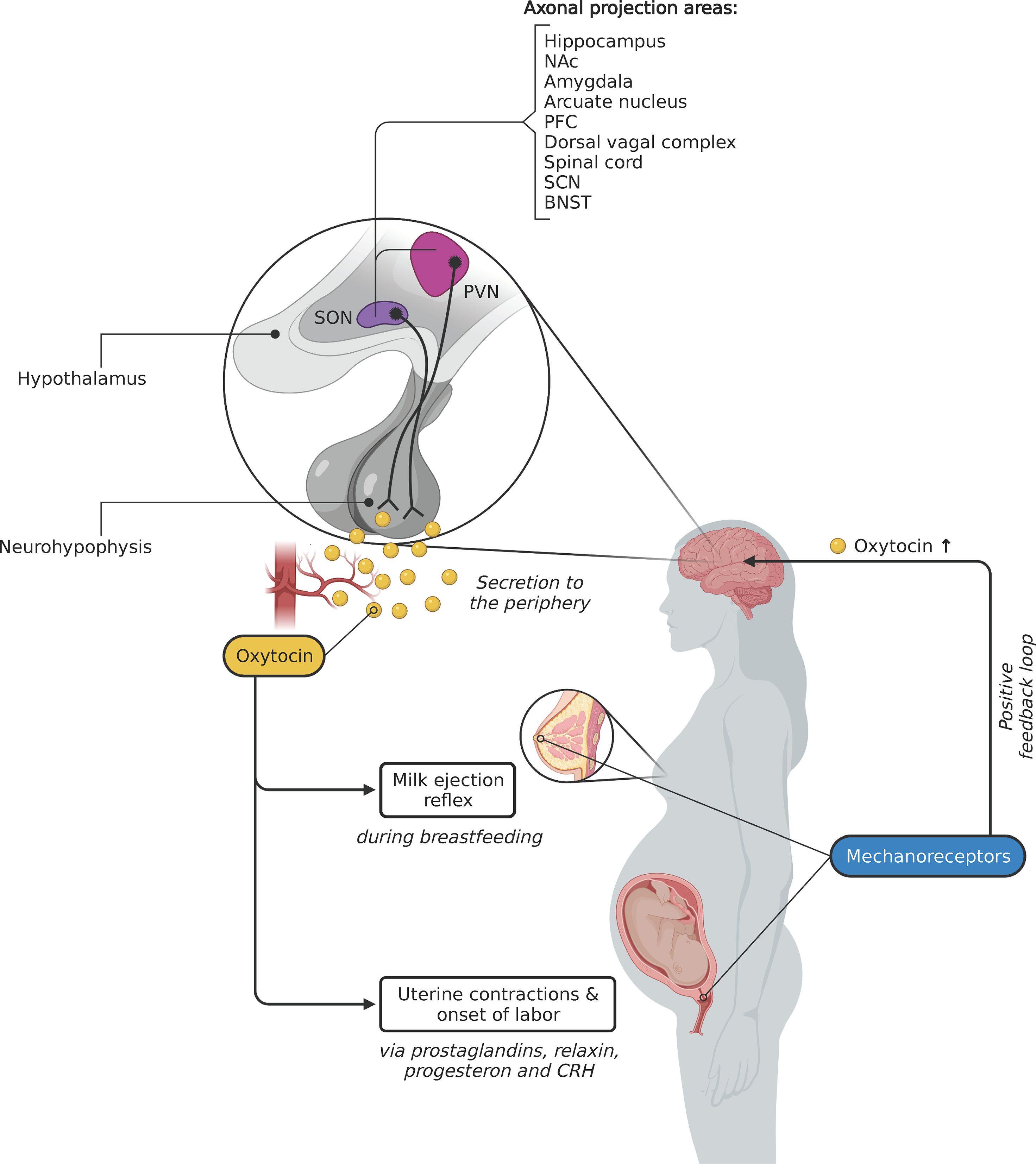
Oxytocin, often referred to as the “love hormone,” is a peptide hormone and neuropeptide that plays a crucial role in social bonding, sexual reproduction, childbirth, and postpartum periods. Produced in the hypothalamus and released by the pituitary gland, oxytocin facilitates uterine contractions during labor and milk ejection during breastfeeding, thus earning its reputation as an essential component of childbirth and maternal behaviors. Beyond its physiological roles, oxytocin is also significant in promoting emotional connections and trust between individuals, fostering social interactions, and reducing stress and anxiety levels. Studies have shown that oxytocin can enhance positive social behaviors such as empathy, generosity, and trust, making it a hormone of interest in researching treatments for social behavior disorders, including autism and social anxiety. Despite its predominantly positive associations, understanding oxytocin’s effects in various contexts remains complex, as it can also promote exclusivity or favoritism towards in-group members, highlighting the intricate balance between its bonding and divisive potentials.