PCT in Bodybuilding, The Essential Guide for Beginners
TABLE OF CONTENTS

In the world of bodybuilding, athletes are constantly seeking ways to optimize their performance and achieve peak physical condition. An aspect that often comes up in this pursuit is PCT or Post Cycle Therapy. This article delves into what a PCT in bodybuilding entails, its importance, and what bodybuilders need to know.
What is PCT in Bodybuilding?
PCT, or Post Cycle Therapy, is a protocol that bodybuilders use after completing a cycle of performance-enhancing substances, like anabolic steroids or prohormones. The goal of a PCT is to restore the body’s natural hormone levels, particularly testosterone, which can be suppressed during a cycle.
When athletes use substances to boost muscle growth and performance, these compounds often disrupt the body’s hormonal balance, leading to decreased natural testosterone production. A well-implemented PCT helps the body rebound to its regular state, minimizing potential side effects and maintaining the gains made during the cycle.
BIG SALE | FAST SHIPPING
HOT PROMOTIONS!

CLOMIPHENE TABLETS 50mg 50 TABLETS FIERCE
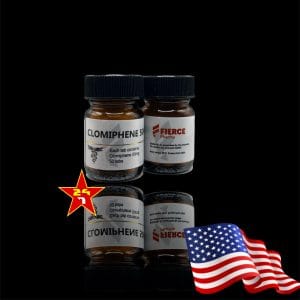
Original price was: $ 99.00.$ 89.00Current price is: $ 89.00.

CYT 3 6MG | T3 | Yohimbe | Clen | Weight Loss Blend | 100 Tablets Total Kit 600mg
$ 69.00
Beligas 10ml Vial Testosterone NPP Blend 150mg

Original price was: $ 119.00.$ 99.00Current price is: $ 99.00.


Why is PCT Important?
The significance of a PCT protocol cannot be overstated. Without it, athletes put their bodies at risk of several negative effects:
-
- Hormonal Imbalance: Post cycle, the body might still be producing elevated levels of estrogen, leading to unwanted side effects like gynecomastia (male breast development) and water retention.
- Hormonal Imbalance: Post cycle, the body might still be producing elevated levels of estrogen, leading to unwanted side effects like gynecomastia (male breast development) and water retention.
-
- Negative Impact on Gains: Not doing a PCT may lead to loss of muscle gains achieved during the cycle due to hormonal imbalances.
- Negative Impact on Gains: Not doing a PCT may lead to loss of muscle gains achieved during the cycle due to hormonal imbalances.
-
- Long-Term Health Risks: Without restoring hormonal balance, individuals could face long-term health issues including fertility problems and mood disorders.
- Long-Term Health Risks: Without restoring hormonal balance, individuals could face long-term health issues including fertility problems and mood disorders.
Components of a PCT
A PCT protocol typically involves a combination of medications and supplements that may include:
-
- Selective Estrogen Receptor Modulators (SERMs): Commonly used SERMs like Clomid (Clomiphene Citrate) or Nolvadex (Tamoxifen Citrate) help block estrogen receptors and stimulate natural testosterone production.
- Selective Estrogen Receptor Modulators (SERMs): Commonly used SERMs like Clomid (Clomiphene Citrate) or Nolvadex (Tamoxifen Citrate) help block estrogen receptors and stimulate natural testosterone production.
-
- Aromatase Inhibitors (AIs): These are used to prevent the conversion of androgens into estrogen, thereby managing estrogen levels. An example is Arimidex (Anastrozole).
- Aromatase Inhibitors (AIs): These are used to prevent the conversion of androgens into estrogen, thereby managing estrogen levels. An example is Arimidex (Anastrozole).
-
- Testosterone Boosters: Natural supplements, such as D-Aspartic Acid, can aid in elevating testosterone levels.
- Testosterone Boosters: Natural supplements, such as D-Aspartic Acid, can aid in elevating testosterone levels.
-
- Liver Support & Anti-oxidants: Since the liver processes many of these substances, supporting liver health during PCT is crucial.
- Liver Support & Anti-oxidants: Since the liver processes many of these substances, supporting liver health during PCT is crucial.
When to Start a PCT
Timing is crucial when initiating PCT in bodybuilding. Typically, it begins after the substances have cleared the athlete’s system. This time frame varies depending on the half-life of the compounds used during the cycle. For short-acting substances, PCT might start a few days after the cycle, while for longer-acting compounds, it could start two weeks post-cycle.
Tailoring a PCT Plan
Individual differences such as the type of substances used, the duration of the cycle, and the person’s physiological response dictate PCT. Consulting with a healthcare professional or a knowledgeable coach is essential in personalizing a PCT plan.
Final Thoughts
While the promise of rapid muscle gains can be tempting, responsible use of performance-enhancing substances and adhering to a well-structured PCT is imperative for long-term health and training success. Understanding what a PCT in bodybuilding involves ensures athletes make informed decisions about their training regimes, maintaining their hard-earned gains while safeguarding their health.
In bodybuilding, PCT stands for Post Cycle Therapy, a critical protocol that athletes and bodybuilders follow after completing a cycle of anabolic steroid use. The primary goal of PCT is to restore the body’s natural production of hormones, particularly testosterone, which can be suppressed or halted during steroid use. Anabolic steroids can disrupt the endocrine system, leading to imbalanced hormone levels, potentially causing adverse effects such as decreased libido, mood swings, and a reduction in muscle gains once the cycle is completed. By implementing a PCT regimen, which often includes pharmaceutical agents like selective estrogen receptor modulators (SERMs) or aromatase inhibitors, individuals aim to mitigate such effects, supporting the recovery of natural hormone levels, maintaining muscle mass gained during the cycle, and preserving overall health. Achieving this hormonal balance is crucial for ensuring that the body returns to its normal physiological state and that long-term consequences like gynecomastia or cardiovascular issues are minimized.