Peptide sciences semaglutide reconstitution
TABLE OF CONTENTS

Peptide sciences semaglutide reconstitution is crucial for those involved in research and development pertaining to weight management and metabolic disorders. Semaglutide, a glucagon-like peptide-1 (GLP-1) receptor agonist, has shown promise in the medical field for its effectiveness in controlling blood glucose levels and facilitating weight loss. Specifically manufactured by Peptide Sciences, this compound is recognized for its purity and stability, making it a popular choice among researchers. However, to ensure maximum efficacy and reliability, proper reconstitution is imperative. Let’s delve into the process and understand why it plays a pivotal role in research applications.
Why Reconstitution Matters
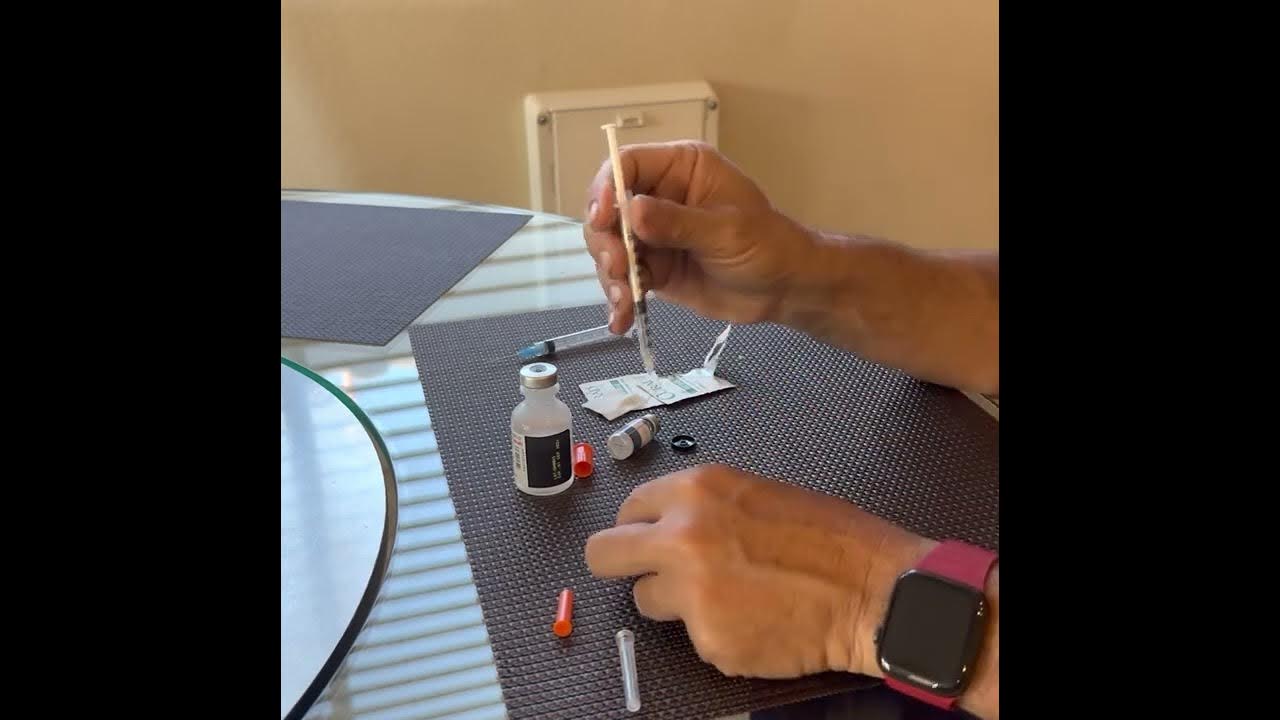
Reconstitution refers to the process of mixing a lyophilized or freeze-dried substance with a liquid, typically a sterile solvent. This step is essential for activating the peptide, allowing it to be used in experimental settings. In the case of Peptide Sciences semaglutide, precision and care during reconstitution ensure that the peptide maintains its stability and effectiveness throughout usage.
Steps for Reconstitution
When reconstituting Peptide Sciences semaglutide, it’s important to follow guided procedures to retain the peptide’s integrity:
-
- Sanitize the Environment: Use sterile practices to prevent contamination, ensuring that all tools and surfaces are clean.
-
- Utilize Proper Solvents: Typically, bacteriostatic water is recommended for dissolving the peptide. Ensure the solvent is at room temperature to avoid degradation.
-
- Gently Mix the Solution: After adding solvent to the vial, gently swirl the mixture to dissolve the peptide fully. Avoid shaking vigorously as this may affect its structural integrity.💧
-
- Store Correctly: Once reconstituted, store the solution in a refrigerator (2-8°C) to maintain its effectiveness. Ensure it is labeled with the date of reconstitution for reference.
Important Considerations
Peptide sciences semaglutide reconstitution should never be reused for multiple applications. Reusing reconstituted solutions can lead to contamination and degradation, compromising the accuracy of experimental results. It’s essential to prepare a fresh solution each time a new research experiment is undertaken.🧪
Conclusion
Properly managing Peptide Sciences semaglutide reconstitution is critical in research environments. Each step, from selecting the appropriate solvent to correctly storing the solution, impacts the accuracy of the findings. Remember, never reuse reconstituted solutions to maintain the integrity and reliability of your results.
FAQs
What is the ideal solvent for Peptide Sciences semaglutide reconstitution?
The ideal solvent is bacteriostatic water due to its ability to maintain the peptide’s stability over time.
Can I reuse the reconstituted peptide solution?
No, it is not advised to reuse the solution. Always prepare a new solution for each experiment to avoid contamination and preserve integrity. 🔍
How should the reconstituted peptide be stored?
Store it in a refrigerator at temperatures between 2-8°C and use it within a stipulated time frame to ensure effectiveness.
For more on peptide management and storage, click here:
BIG SALE | FAST SHIPPING
HOT PROMOTIONS!
FIERCE CLOMID 50MG 50CAPS
Original price was: $ 129.00.$ 119.00Current price is: $ 119.00.


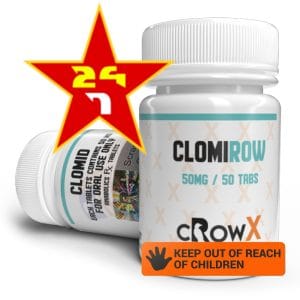
CROWX 👑 CLOMIROW 50 Mg / 50 Tabs ( Clomid )
Original price was: $ 79.00.$ 69.00Current price is: $ 69.00.

🚀 Stay committed to achieving your health goals with these practices and remember, the integrity of your research is paramount! #Bodybuilding, #Bodybuildingmotivation, #Powerlifting, #Bodybuilder, #Heavyweightlifting, #Workoutathome #stayfit #bodybuilding
Peptide Sciences offers semaglutide, a synthetic peptide utilized chiefly for research purposes related to its role as a glucagon-like peptide-1 (GLP-1) receptor agonist. Reconstitution of semaglutide involves dissolving the lyophilized peptide in a suitable solvent, usually bacteriostatic water or sterile water for injection, to attain the desired concentration for experimental applications. It is crucial to handle the peptide under sterile conditions to ensure its stability and efficacy, as well as to adhere to proper storage protocols, typically involving keeping the reconstituted solution at temperatures specified by the manufacturer, often refrigerated, to maintain its integrity over time. Researchers interested in exploring the pharmacodynamics and potential therapeutic applications, such as in metabolic disorder studies, must be meticulous in the preparation process to ensure reliable and reproducible experimental results.