Peptide Therapy 101: What You Need to Know About BPC-157
TABLE OF CONTENTS

BPC-157, a synthetic peptide, has gained significant attention in the fitness and bodybuilding communities. Originally derived from a protective protein found in the stomach, BPC-157 is valued for its potential to enhance recovery, improve muscle growth, and accelerate healing. This article delves into the various benefits of BPC-157 and its emerging role in fitness routines.
What is BPC-157?
BPC-157 stands for Body Protection Compound-157. It is a synthetic peptide consisting of 15 amino acids. Found naturally in human gastric juices, BPC-157 is celebrated for its healing properties. Due to its regenerative potential, scientists are exploring its benefits in medicine, particularly in healing muscles, tendons, and ligaments.
Benefits of BPC-157
The advantages associated with BPC-157 are numerous, which renders it popular among fitness enthusiasts and athletes:
- Enhanced Recovery: BPC-157 is known to increase the rate of healing for injuries, especially soft tissue injuries, thereby reducing downtime.💪
- Anti-Inflammatory Properties: The peptide has demonstrated significant anti-inflammatory capabilities, making it beneficial for addressing chronic inflammation.
- Gut Health Improvement: Studies suggest BPC-157 works wonders for gastrointestinal health, potentially healing ulcers and inflammatory bowel diseases.
- Tendon and Ligament Healing: It promotes the repair and regeneration of connective tissues, a crucial aspect for those in the bodybuilding and fitness sectors.
How to Use BPC-157
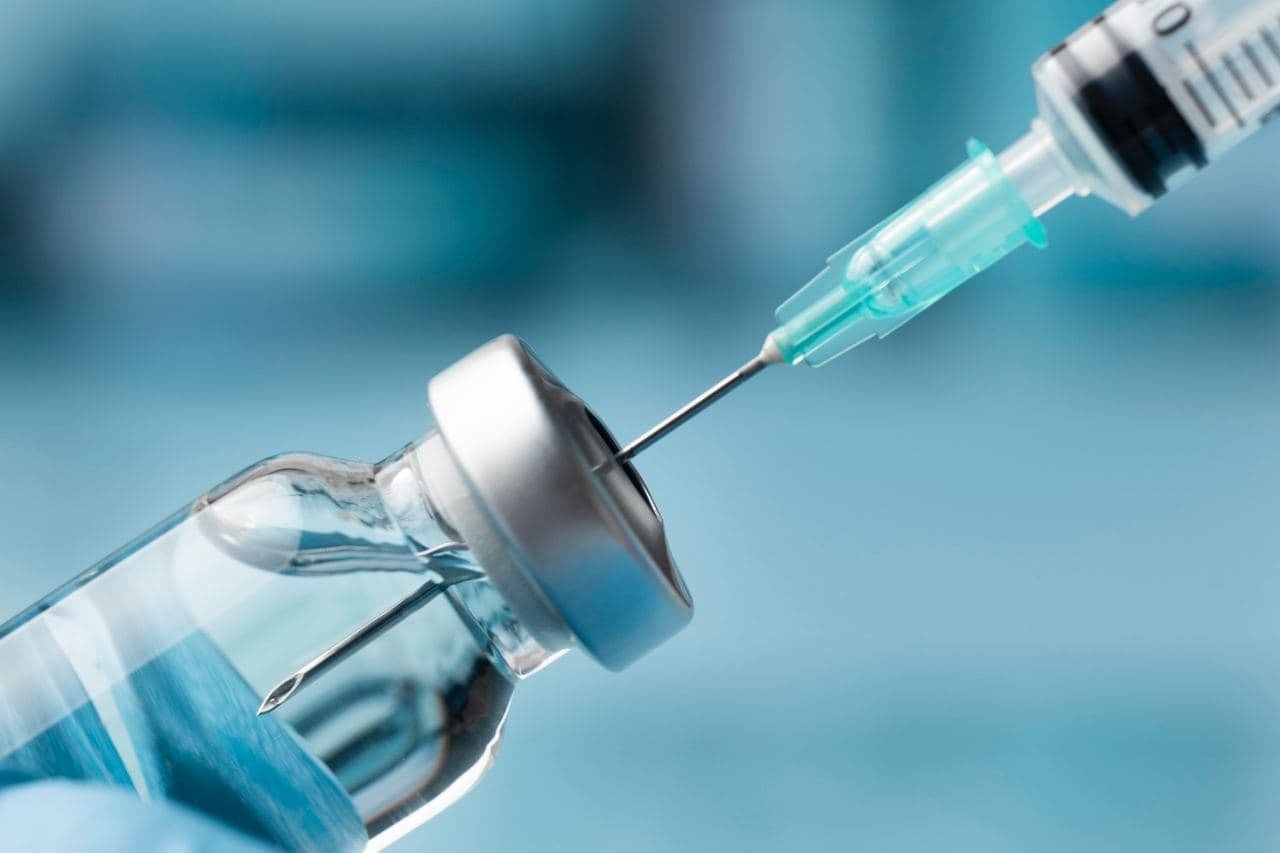
BPC-157 is typically administered via injection, either subcutaneously or intramuscularly. Dosage and administration methods can vary, so it’s essential to consult with a healthcare professional before starting. Consistency and dosage regulation are critical in tapping the peptide’s maximum benefits.
Conclusion
While BPC-157 shows promise in enhancing recovery and overall fitness performance, individuals should approach its use cautiously. 📆 The potential benefits make it attractive, but always weigh these against potential risks and consult with a healthcare provider. As research continues, BPC-157 could become a staple supplement for many athletes.
Frequently Asked Questions
What are the side effects of BPC-157?
Currently, BPC-157 is seen to have few reported side effects, which include mild symptoms such as nausea, dizziness, and minor bruising at the injection site.
Is BPC-157 legal?
BPC-157 is not approved by the FDA, and its use in sports can be controversial. Ensure compliance with local regulations before use.
Can BPC-157 be used with other supplements?
Yes, but always consult with a healthcare professional to avoid interactions with other supplements or medications.
For more information and peptide inquiries, visit our showcase:
FREE SHIPPING
BIG SALE | FAST SHIPPING
HOT PROMOTIONS!
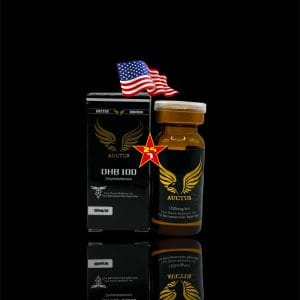
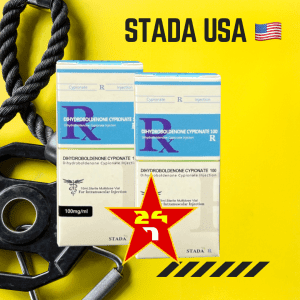
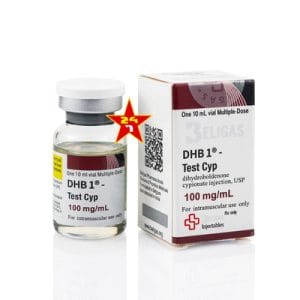
STADA DHB DIHYDROBOLDENONE 100MG 10 ML
Original price was: $ 219.00.$ 109.00Current price is: $ 109.00.


Was this article helpful? Share your thoughts! 🌟
Hashtags: #BB #Bodybuilding #Gym #Training #Fitness #Anabolicsteroids #steroids #supplements #anavar #sustanon #legitpharmacies #steroidcycles #247steroids
BPC-157, a peptide consisting of 15 amino acids, is a partial sequence of body protection compound (BPC) that is naturally found in human gastric juice. It has gained attention in the realms of medical research and alternative therapy due to its potential therapeutic effects, particularly in enhancing the healing processes of various tissues, such as tendons, muscles, and the gastrointestinal tract. Its purported benefits include accelerating wound healing, reducing inflammation, and potentially providing protection against certain forms of gastric and intestinal damage. The exact mechanisms of BPC-157’s effects remain a topic of ongoing study, and while promising results have been observed in animal models and some preliminary human trials, comprehensive clinical research is needed to fully understand its efficacy and safety profile. Despite its growing popularity, especially among athletes and bodybuilders, BPC-157 is not yet approved by medical regulatory bodies for clinical use, and its long-term effects are not well-documented.