
Top Joint Healing Peptides for Optimal Recovery

Joint healing peptides have attracted attention for their ability to enhance tissue repair and improve joint health. These small proteins regenerate cartilage, promote mobility, and reduce joint discomfort. They work by stimulating pathways that increase collagen production, repair cartilage, and reduce inflammation.

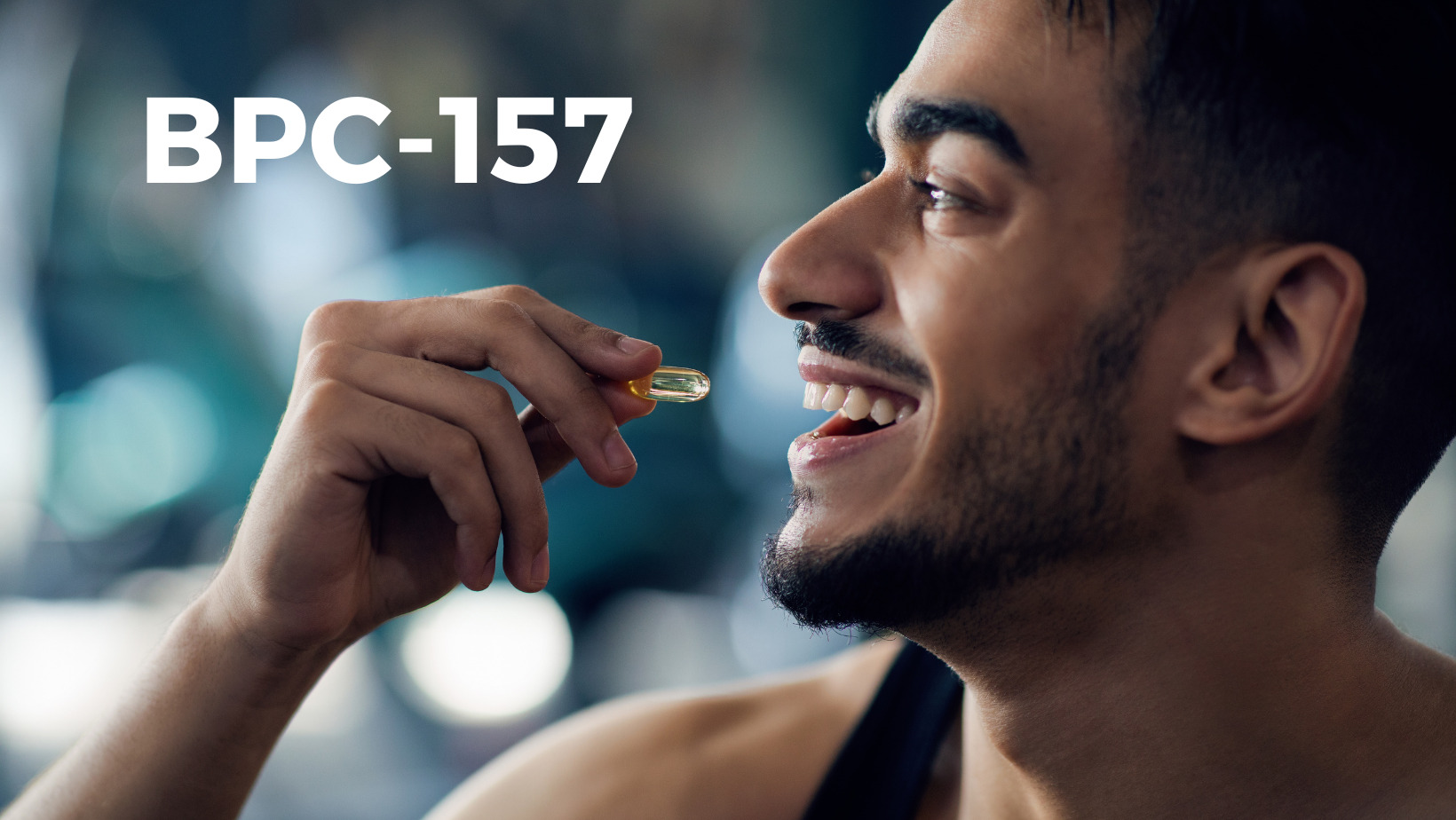
Unlocking BPC 157: Key Benefits Explored

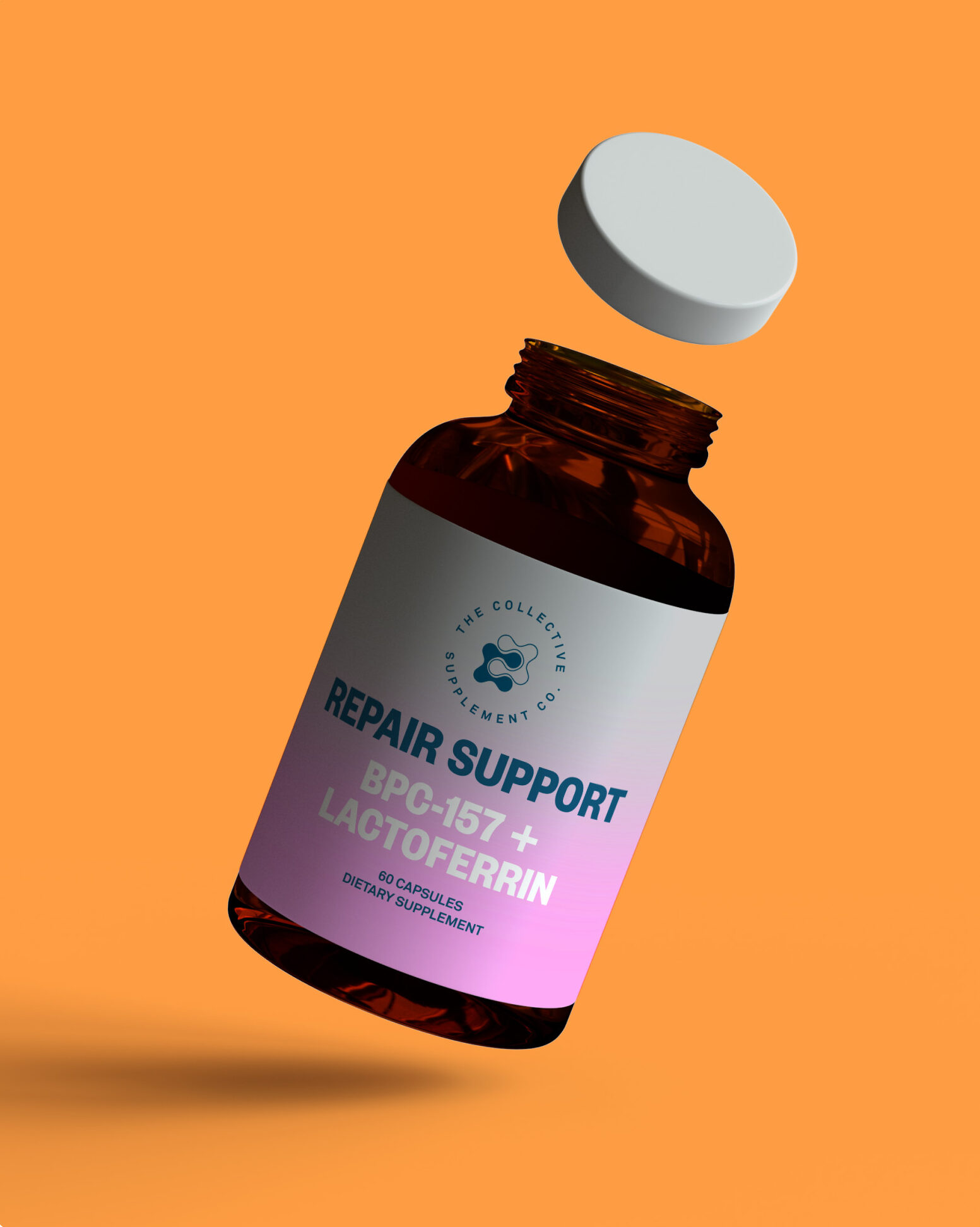
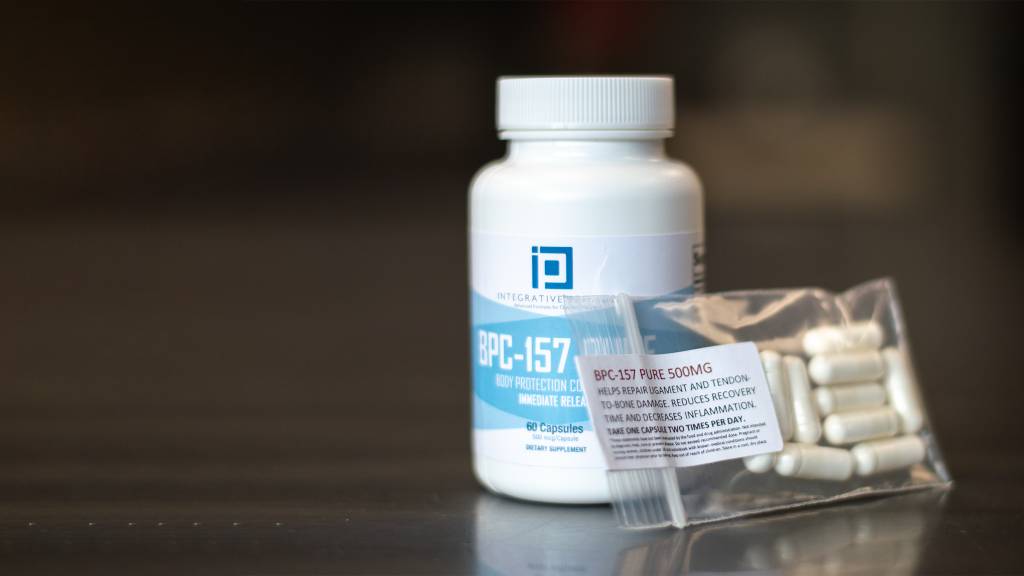
BPC 157, a synthetic peptide from a human stomach protein, has gained attention for its healing capabilities. Known for supporting gastrointestinal health, musculoskeletal recovery, and reducing inflammation, it promotes cellular repair by enhancing blood vessel formation. Administered via injection, it should be used under medical guidance.

Phoenix remedies

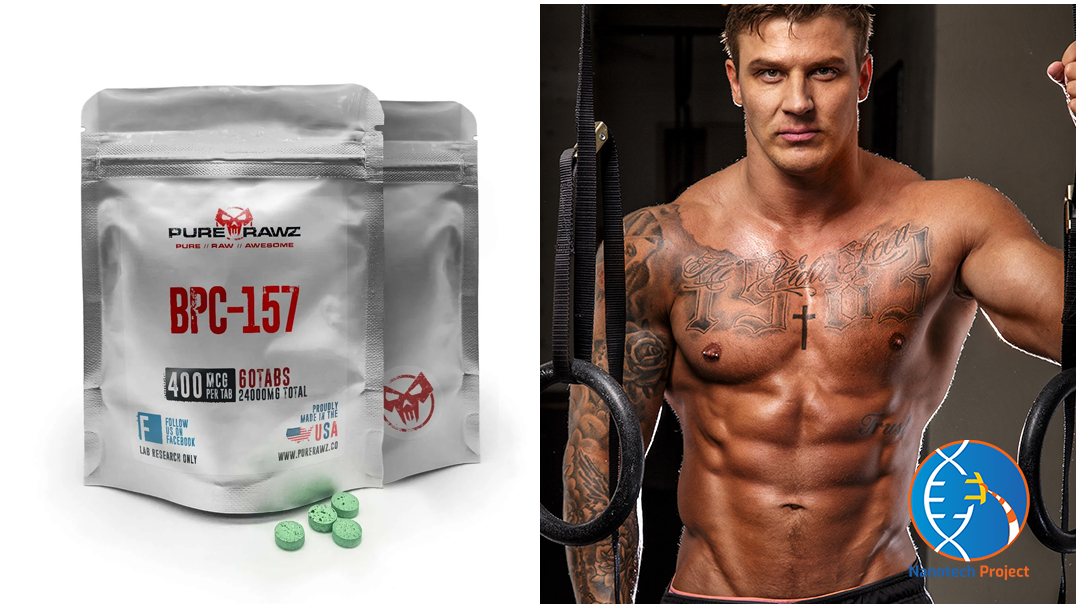
Phoenix remedies are a novel method applied to optimize recovery and boost performance for fitness enthusiasts, especially those involved in high-intensity activities like bodybuilding. Unlike traditional therapies, they combine elements from various disciplines, promoting a holistic approach to rejuvenation, emphasizing transformation.

BPC-157: A Game Changer for Those Suffering from Chronic Pain?

BPC-157, a peptide consisting of 15 amino acids derived from a protein found in human gastric juice, is drawing significant interest for its potential therapeutic uses. Known for its regenerative qualities, it may enhance healing in tissues like muscles and tendons, appealing to sports medicine. It functions by modulating growth factors and boosting blood circulation to damaged areas, aiding cell regeneration and lowering inflammation. Promising studies indicate possible gastrointestinal benefits, such as ulcer treatment, but more trials are required to confirm its safety.

A Deep Dive into TB-500: Usage, Effects, and Legal Considerations

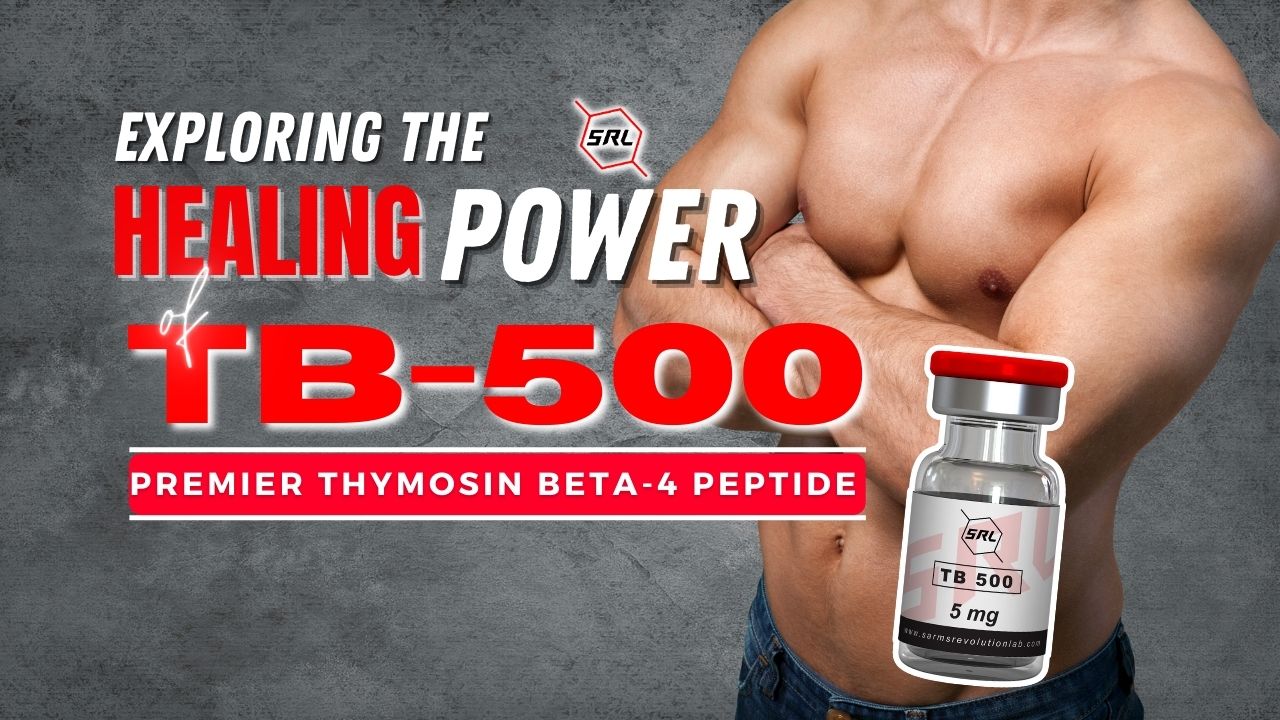
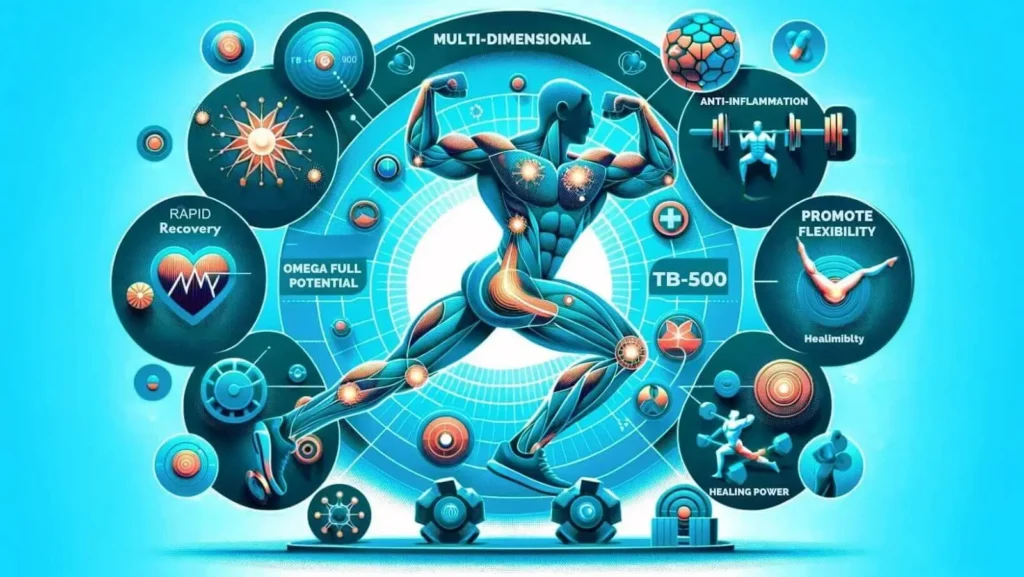
TB-500, a synthetic version of Thymosin Beta-4, has garnered attention for its regenerative properties, particularly in skincare, health, and bodybuilding. Originally developed for equine health, it boosts cell-building proteins like actin, enhancing tissue repair. Widely used to improve skin texture, reduce aging signs, and accelerate injury recovery, TB-500 operates by promoting cell migration and reducing inflammation for faster healing. While promising, potential users should consult healthcare providers due to ongoing research and regulatory considerations.

TB-500 in Veterinary Medicine: Advances in Animal Healing

TB-500, known scientifically as Thymosin Beta-4, is a synthetic peptide with promising regenerative and healing properties. Its ability to promote cell growth and muscle repair makes it popular among athletes and bodybuilders. Beyond sports therapy, it’s noted for enhancing angiogenesis, aiding in wound healing, and potentially benefiting skincare. Despite its potential, caution is advised as most benefits are based on animal studies and anecdotal evidence, with insufficient research on long-term human effects. Professional consultation is recommended before use.

Is BPC-157 the Key to Faster Recovery? Examining the Evidence

BPC-157 is a peptide known for its potential healing and anti-inflammatory properties. Discovered in the 1990s, its popularity has grown among fitness enthusiasts for accelerating recovery from injuries. It may aid in tissue repair, muscle healing, and bone regeneration. Also gaining attention for mitigating inflammation and enhancing collagen, BPC-157 shows promise in skincare and anti-aging, offering benefits for skin health.

TB-500 vs. Other Peptides: A Comparative Study on Healing Properties

In the ever-evolving world of skincare, TB-500, known scientifically as Thymosin Beta-4, is emerging as a promising peptide. Originally used in veterinary medicine, it aids cell migration and growth, offering rejuvenating properties. Its ability to promote blood vessel formation and skin cell migration is crucial for repair and regeneration. Celebrated for therapeutic benefits like reducing inflammation and expediting healing, TB-500 is gaining traction in skincare and recovery, though further research is needed to fully understand its safety and efficacy.

Behind the Hype: Analyzing the Research on BPC-157

BPC-157 is known for regenerative properties and has gained attention in fitness and medical sectors for healing benefits. Derived from a stomach protein, it helps tissue regeneration and angiogenesis. It’s popular among athletes to enhance recovery, improve joint and muscle health, but requires more research for broader health applications.

TB-500: Can It Be the Key to Faster Recovery for Athletes?

TB-500 is a synthetic peptide related to thymosin beta-4, known for its regenerative properties. It aids in tissue repair, enhances blood vessel formation, and reduces inflammation, making it popular among athletes for faster recovery. While it shows promise in treating muscle injuries, its use is not universally approved and may conflict with sports regulations regarding doping. Further research is needed to fully understand its efficacy and safety in various applications.

Peptide Therapy 101: What You Need to Know About BPC-157

BPC-157, a synthetic peptide derived from stomach proteins, has garnered attention for its potential in fitness and bodybuilding. Known for enhancing recovery, improving muscle growth, and accelerating healing, it contains 15 amino acids. While promising for healing tissues like tendons and muscles, comprehensive clinical research is needed to fully understand its effects and safety. Despite popularity among athletes, it remains unapproved by medical bodies.

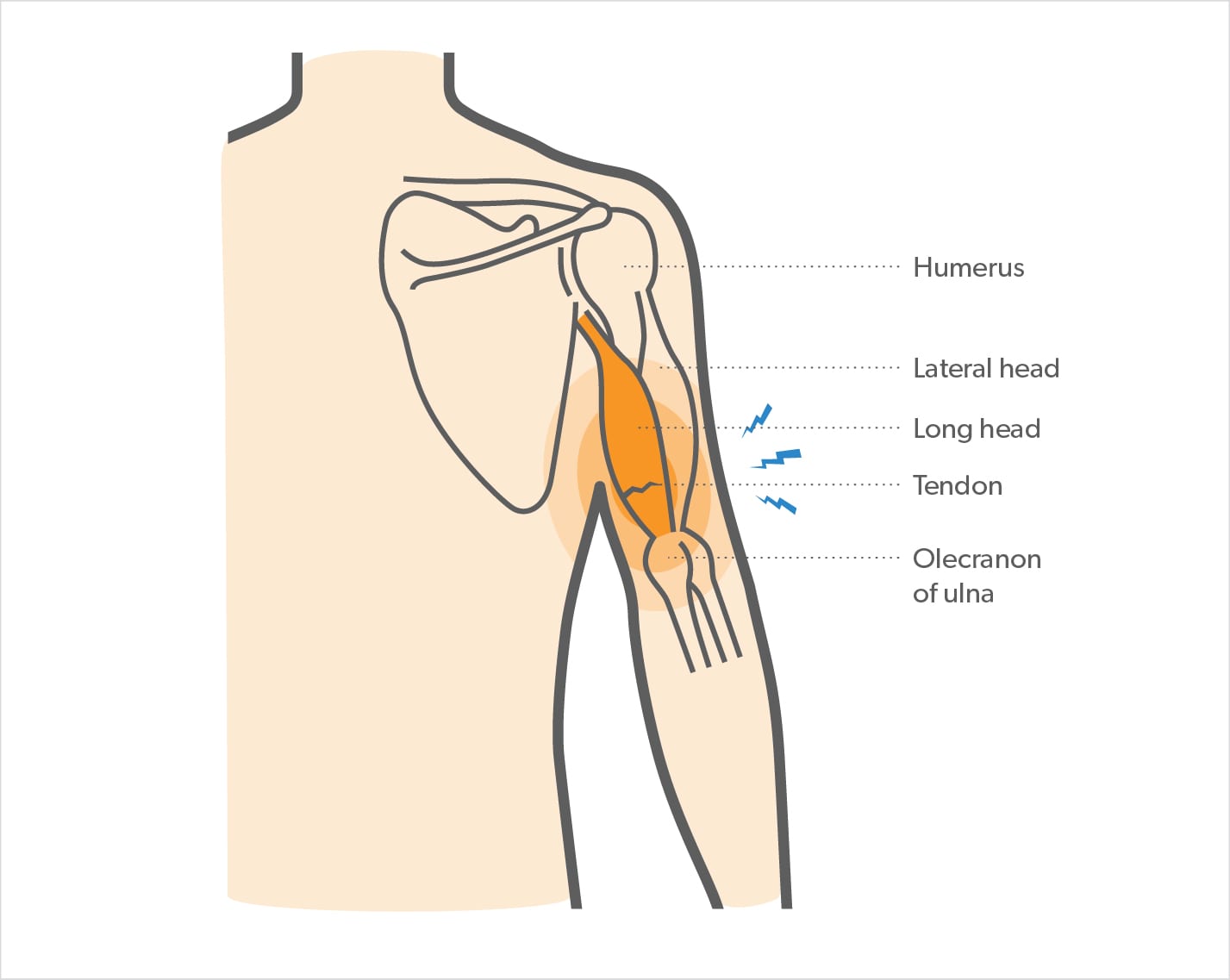
HGH DOSAGE FOR TENDON REPAIR

Human Growth Hormone (HGH) plays an intriguing role in the field of regenerative medicine, notably in tendon repair. Tendons, the resilient components that connect muscle to bone, are prone to injuries due to overuse, aging, or trauma. HGH’s capacity to stimulate cell growth and regeneration has piqued interest in its potential application for tendon healing.Read More

Unveiling TB-500: The Revolutionary Peptide for Healing and Recovery

TB-500, a synthetic peptide derived from a naturally occurring protein known as Thymosin Beta-4, has gained significant attention in recent years, particularly in the fields of sports medicine, veterinary medicine, and research. This article aims to provide a detailed overview of TB-500, including its structure, mechanism of action, potential benefits, applications, and safety considerations. WhatRead More

BPC-157: The Peptide Revolutionizing Healing and Recovery

BPC-157: The Peptide Revolutionizing Healing and Recovery   In the realm of regenerative medicine, the emergence of bioactive peptides has heralded a new era of healing strategies. Among these, BPC-157, a peptide derived from a protein found in gastric juice, has gained significant attention for its remarkable healing properties. As athletes, medical professionals, and researchersRead More

Left Menu Icon
Your Cart