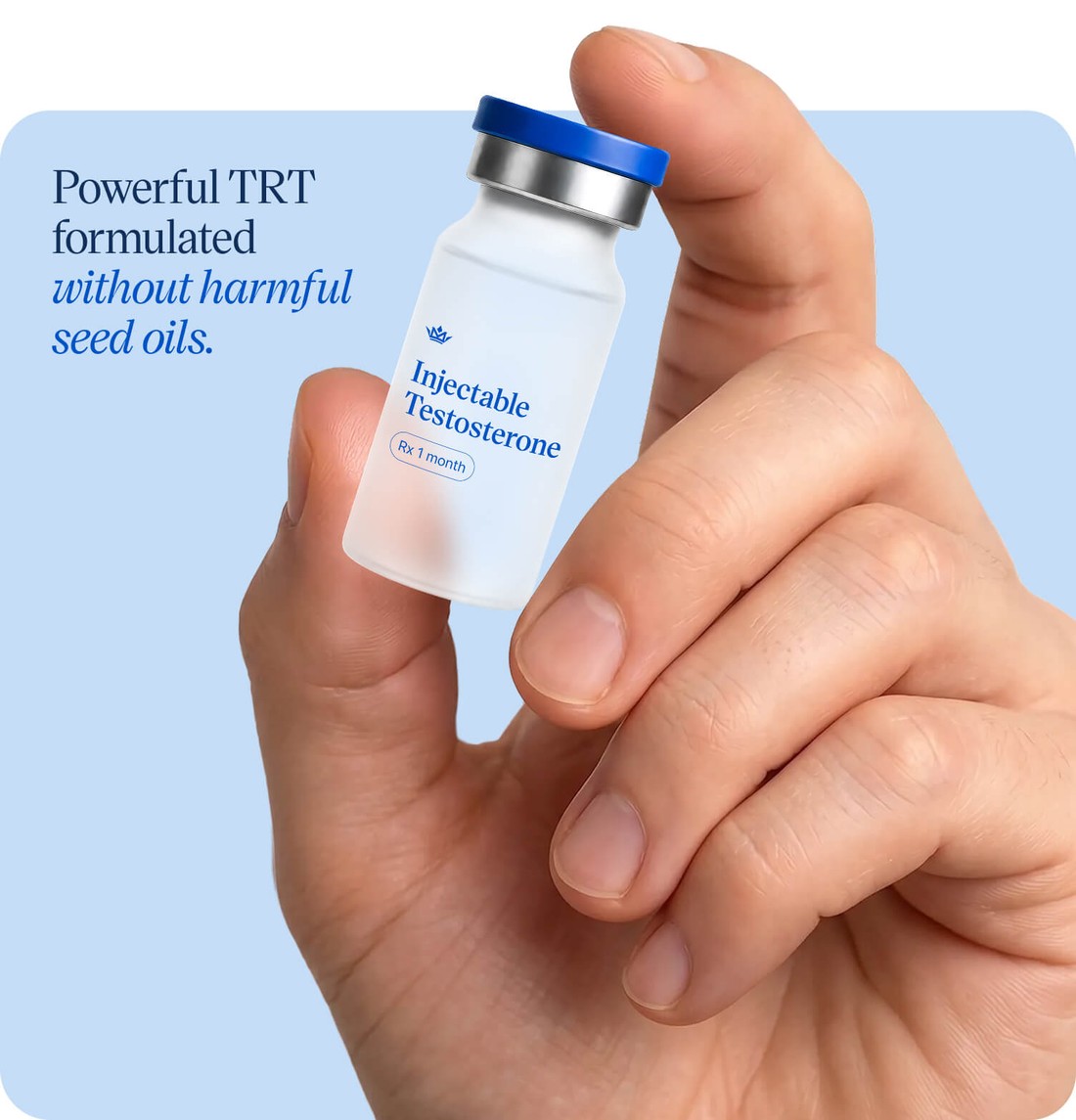

Peptide Therapy: Revolutionizing Health Solutions
Introduction
In recent years, peptide therapy has emerged as a promising frontier in medical science. Widely known for its potential to enhance various aspects of health and wellness, peptide therapy involves the use of specific amino acid sequences to target and support the body’s natural processes. This integrative approach offers solutions for conditions ranging from aging to chronic diseases.
Understanding Peptide Therapy
Peptide therapy utilizes short chains of amino acids, known as peptides, that communicate with different parts of the body to trigger specific functions. Given their role as signaling molecules, peptides can mimic the body’s natural communication processes, leading to improved physiological functions.
The Science Behind Peptide Therapy
Peptides are naturally occurring in the body and act as biological messengers. These sequences can boost or regulate various functions by binding to specific receptors on cells. The therapeutic use of peptides spans several areas, such as metabolism, immune system support, and tissue repair.
Applications of Peptide Therapy
Peptide therapy is applied in a wide range of treatments, including:
- Anti-aging: Enhancing skin health and reducing wrinkles.
- Sports Medicine: Improving recovery and enhancing performance.
- Weight Management: Regulating metabolism and fat loss.
- Hormonal Balance: Supporting endocrine function.
Benefits of Peptide Therapy
Many individuals turn to peptide therapy for its significant benefits, including enhanced health, improved vitality, and optimized physical performance.
Promoting Healing and Recovery
Peptides like BPC-157 are known for their ability to accelerate healing by promoting tissue regeneration. This is particularly beneficial for athletes or individuals recovering from injuries.
Boosting Muscle Growth
Bodybuilders and fitness enthusiasts often use peptides to increase muscle mass. They work by enhancing growth hormone production or improving muscle repair, leading to more effective muscle development.
Immune System Enhancements
By regulating immune functions, peptide therapy might help in reducing inflammation and promoting a balanced immune response, potentially aiding those with chronic inflammatory conditions.
Potential Risks and Considerations
While peptide therapy offers various benefits, it is essential to consider potential risks and undergo treatments under professional supervision. Possible side effects may include allergic reactions or imbalances in the body’s natural functions.
Moreover, regulatory oversight of peptide therapy can vary, leading to inconsistencies in product quality. Always consult with a healthcare provider to ensure safe and effective use.
Emerging Trends and Research
Ongoing research continuously uncovers new possibilities for the application of peptide therapy. Studies investigate its use in addressing neurodegenerative disorders, treating metabolic diseases, and supporting mental health. Explore more about the exciting developments here.
Innovation in Drug Development
Through advanced technologies, scientists are creating synthetic peptides with enhanced stability and efficacy. This progress could lead to groundbreaking treatments that address unmet medical needs.
FREE SHIPPING
HOT PROMOTIONS!
BIG SALE | FAST SHIPPING


Fierce testosterone cypionate 250mg / ml 10ml

Original price was: $ 192.00.$ 139.00Current price is: $ 139.00.
ILLUSTRA BRAND | Liquid BAC water 10ml BA+0.9% Benzyl Alcohol
Original price was: $ 67.00.$ 46.00Current price is: $ 46.00.
♀ PT 141 10MG/VIAL Bremelanotide KIT 10vials FIERCE

Original price was: $ 402.00.$ 281.00Current price is: $ 281.00.



STADA HGH SOMATROPIN 100IU (10 vials)

Original price was: $ 301.00.$ 231.00Current price is: $ 231.00.

Conclusion
Peptide therapy represents a versatile and innovative approach to enhancing health and wellness. By harnessing the body’s natural signaling mechanisms, it opens new avenues for treating various conditions. However, ensuring safe usage and consulting with healthcare professionals remains crucial as the field evolves.
FAQ
What is peptide therapy?
Peptide therapy is the use of specific amino acid sequences to support and enhance the body’s natural processes, potentially improving health outcomes in areas such as anti-aging, muscle growth, and immune support.
How does peptide therapy work?
Peptides act as signaling molecules to trigger specific actions within the body. By binding to receptors on cell surfaces, they can mimic natural processes and promote targeted physiological effects.
Is peptide therapy safe?
When conducted under medical supervision, peptide therapy can be safe. However, potential risks include allergic reactions or hormonal imbalances. It’s essential to consult with healthcare professionals to ensure appropriate usage.
What are the potential side effects?
Possible side effects of peptide therapy can include immune reactions, skin irritation, and hormonal imbalances. Thorough consultation and monitoring can mitigate these risks.
Where can I learn more about peptide therapy research?
You can explore in-depth information on peptide therapy and its applications in current research by visiting authoritative sources such as the Frontiers in Medicine.