

Plant-Based Hormones: Top Foods Rich in Phytoestrogens

Phytoestrogens are naturally occurring compounds found in a variety of plant-based foods that mimic the activity of estrogen in the human body. They are associated with numerous health benefits, particularly for women, due to their structural similarity to the hormone estrogen. Consuming foods with phytoestrogens may offer protective effects against certain health issues and support hormonal balance.
Soy Products
Soybeans and soy-based products are some of the richest sources of phytoestrogens. Foods such as tofu, tempeh, and soy milk contain high levels of isoflavones, a category of phytoestrogens known to support heart health and reduce menopause symptoms. Incorporating soy products into meals can thus provide significant health benefits.
Flaxseeds
Flaxseeds are another potent source of phytoestrogens, particularly lignans. These seeds not only support hormone balance but are also high in omega-3 fatty acids and fiber, contributing to overall wellness. Adding ground flaxseeds to smoothies or oatmeal is an easy way to increase your phytoestrogen intake.
Legumes
Apart from soybeans, other legumes such as lentils, chickpeas, and beans also contain notable amounts of phytoestrogens. They are packed with plant-based protein and fiber, making them excellent for digestive health. Including a variety of legumes in your diet can help support cardiovascular health and manage cholesterol levels.
Whole Grains
Whole grains like oats, barley, and rye are additional sources of phytoestrogens. Regular consumption of whole grains can support heart health and aid in maintaining a healthy weight. Opting for whole grain products instead of refined grains can enhance your nutrient intake and provide hormonal support through phytoestrogens.
Nuts and Seeds
Apart from flaxseeds, nuts and other seeds, such as sesame seeds, also offer phytoestrogens. These foods are rich in healthy fats, proteins, and other essential nutrients. Incorporating a variety of nuts and seeds into your diet can help reduce inflammation and promote satiety, along with hormone modulation.
BIG SALE | FAST SHIPPING
HOT PROMOTIONS!
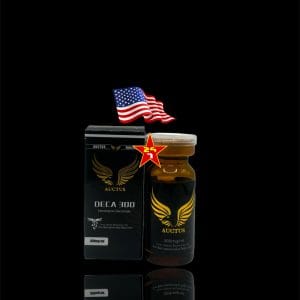
Fierce nandrolone decanoate 300 / ml 10ml

Original price was: $ 131.00.$ 119.00Current price is: $ 119.00.


ZPHC UltraMix 10ml MultiUse Vial 1ml = 250mg
Original price was: $ 255.00.$ 179.00Current price is: $ 179.00.
CLOMIPHENE TABLETS 50mg 50 TABLETS FIERCE
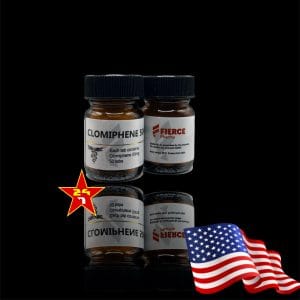
Original price was: $ 99.00.$ 89.00Current price is: $ 89.00.
ZPHC Clomid Clomiphene 25mg/tablet | 100 Tablets Total: 2500mg
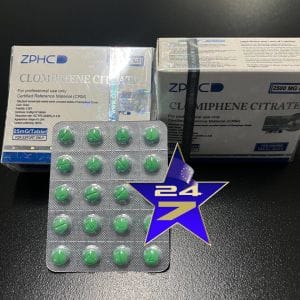
Original price was: $ 159.00.$ 65.00Current price is: $ 65.00.
ZPHC UltraMix 1ml amps x 10 amps - 1ml = 250mg

Original price was: $ 259.00.$ 179.00Current price is: $ 179.00.
Conclusion
Incorporating foods containing phytoestrogens into your diet can offer an array of health benefits, particularly concerning hormonal balance and heart health. Soy products, flaxseeds, legumes, whole grains, and nuts are excellent options to consider. As with any dietary change, it’s essential to maintain balance and variety, ensuring adequate intake of all essential nutrients.
FAQs
What are phytoestrogens?
Phytoestrogens are plant-derived compounds that mimic estrogen in the body, potentially offering health benefits like hormone regulation and reduced risk of certain diseases.
Can everyone consume foods with phytoestrogens safely?
Generally, yes. Most people can safely consume phytoestrogen-rich foods. However, those with specific health conditions or hormonal imbalances should consult a healthcare provider.
Do phytoestrogens affect men?
While phytoestrogens primarily benefit hormonal health for women, they are generally safe for men and don’t significantly impact male hormone levels when consumed as part of a balanced diet.
How can I incorporate more phytoestrogens into my diet?
Include soy products, flaxseeds, legumes, whole grains, and nuts in your daily meals. Try adding them to smoothies, salads, or as snacks.
For more information, check out resources from the National Institutes of Health and Harvard School of Public Health.
Phytoestrogens are naturally occurring plant compounds that mimic the activity of estrogen in the body, and they are found in various foods such as soybeans, flaxseeds, and sesame seeds. These compounds, including isoflavones, lignans, and coumestans, are particularly abundant in soy products like tofu, tempeh, and soy milk, making them a staple for those seeking plant-based diets. Flaxseeds and sesame seeds are rich in lignans, which are known for their potential to promote heart health and balance hormonal levels. Additionally, legumes, grains, and some fruits and vegetables, such as berries, garlic, and leafy greens, contribute to dietary phytoestrogen intake, offering a range of health benefits and playing a potential role in reducing the risk of certain hormone-related conditions. Incorporating these foods into a balanced diet can offer both nutritional richness and support overall well-being.