Post Cycle Therapy: Key Steps for a Successful Recovery
TABLE OF CONTENTS

For individuals engaging in anabolic steroid cycles, the importance of recovery and hormonal balance post-cycle cannot be overstated. Post Cycle Therapy (PCT) forms an integral component of this recovery process, aiming to restore natural hormone production and minimize side effects after anabolic steroid use.
The Purpose of Post Cycle Therapy
Post Cycle Therapy is a structured strategy undertaken to reinstate the body’s natural hormone levels after completing a steroid cycle. When anabolic steroids are used, the body’s natural hormone production decreases significantly due to the exogenous supply. This can lead to numerous side effects such as muscle loss, fatigue, and hormonal imbalance once the steroid cycle ends. PCT serves to mitigate these effects and support the body’s transition back to normal hormone production.
Components of Effective Post Cycle Therapy
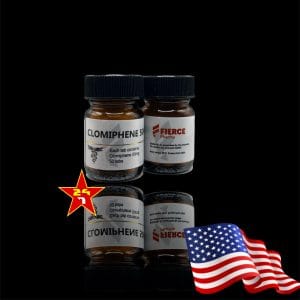
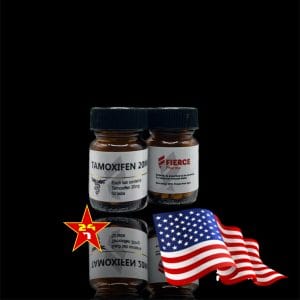
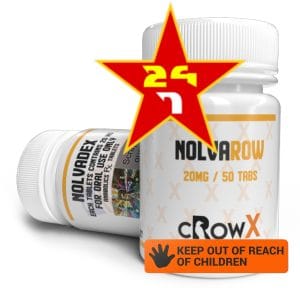
An effective PCT regimen may consist of selective estrogen receptor modulators (SERMs) such as Nolvadex and Clomid, which help restart the body’s natural testosterone production. Aromatase inhibitors might also be used to prevent estrogen rebound, a common issue post-cycle. Each component works synergistically to promote hormonal balance and reduce the likelihood of adverse effects.
The Timing and Duration of Post Cycle Therapy
The timing for initiating PCT generally depends on the types of steroids used. Fast-acting esters may require a PCT plan to start within days of the last steroid dose, while long-acting esters may allow for a delayed initiation. As a rule of thumb, a 4 to 6 week period is typical for PCT, though this may vary based on individual circumstances and specific substances used during the cycle.
Common Myths about Post Cycle Therapy
It’s a common misconception that all PCT plans are equally effective or interchangeable. In reality, PCT should be tailored based on the individual’s physiological response, the compounds used, and the duration of steroid use. Reusing the same PCT protocol cycle after cycle may not be effective, as the body’s response and needs can change with each cycle.
Conclusion
Incorporating Post Cycle Therapy is essential for anyone utilizing anabolic steroids, as it ensures the recovery and sustainability of natural hormonal processes. PCT is a critical step in maintaining muscle gains and reducing the adverse effects post-cycle. As individual responses vary, consulting with a healthcare professional to tailor a PCT plan is advisable.
FAQs on Post Cycle Therapy
-
- When should one start Post Cycle Therapy? Typically, PCT should start within days to a couple of weeks after the last dose, depending on the ester type.
-
- Is Post Cycle Therapy necessary every cycle? Yes, to restore hormonal balance and reduce side effects after steroid use.
-
- Can I reuse the same Post Cycle Therapy protocol? It’s not recommended as individual needs may change; tailoring each PCT is advisable.
-
- What are the common components of PCT? SERMs like Nolvadex and Clomid, and sometimes aromatase inhibitors, are commonly used.
For further reading and tailored Post Cycle Therapy plans:
BIG SALE | FAST SHIPPING
HOT PROMOTIONS!



Fierce nandrolone decanoate 300 / ml 10ml
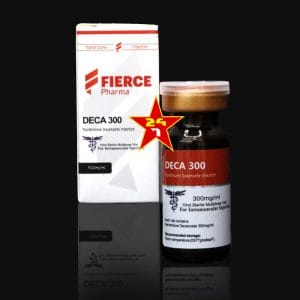
Original price was: $ 131.00.$ 119.00Current price is: $ 119.00.

CLOMID 50MG FIERCE 50 TABLETS
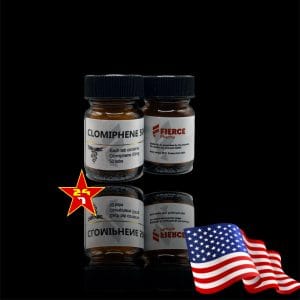
Original price was: $ 129.00.$ 119.00Current price is: $ 119.00.
Post Cycle Therapy (PCT) is a critical process for individuals who have completed a cycle of anabolic steroids or other performance-enhancing drugs. Its primary purpose is to help restore the body’s natural hormonal balance, which can be disrupted during such cycles due to the suppression of endogenous testosterone production. During a cycle, the body may become reliant on external sources of hormones, leading to reduced natural production. PCT typically involves the use of specific medications like selective estrogen receptor modulators (SERMs), such as Nolvadex (tamoxifen) or Clomid (clomiphene citrate), which stimulate the pituitary gland to produce more luteinizing hormone, consequently boosting natural testosterone levels. Additionally, some protocols may include aromatase inhibitors to prevent estrogen-related side effects. By implementing PCT, individuals can mitigate potential side effects such as gynecomastia, loss of muscle mass, and mood swings, and work towards maintaining the gains achieved during their cycle while ensuring overall health and hormonal balance.