
Power Diets: Top High-Protein Vegetarian Meals to Fuel Your Day

The vegetarian diet is often celebrated for its numerous health benefits, including improved heart health and reduced risk of chronic diseases. However, one of the common misconceptions about this lifestyle is that it lacks sufficient protein. In reality, a high protein vegetarian meal can be as nutrient-rich as any other, offering an array of flavors and textures that cater to both vegetarians and health enthusiasts alike.
Understanding Protein in a Vegetarian Diet
Protein is a vital macronutrient that plays a crucial role in the body’s growth, repair, and overall health. While meat is a well-known source of protein, there are ample plant-based sources that are equally beneficial. Legumes, beans, lentils, tofu, tempeh, quinoa, and various seeds and nuts are exceptional vegetarian sources of protein.
Building a High Protein Vegetarian Meal
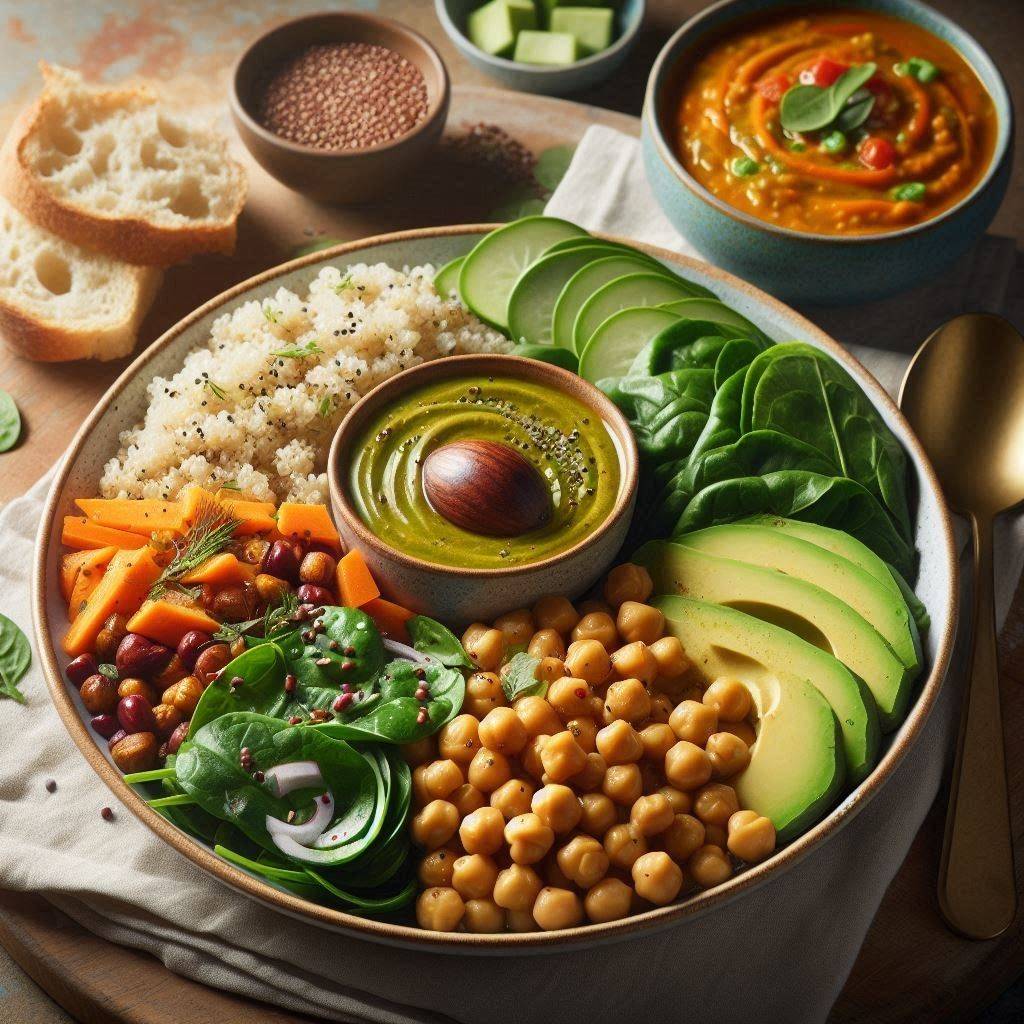
Creating a high protein vegetarian meal involves combining various ingredients to ensure you are getting enough essential amino acids, the building blocks of protein. For example, a simple yet hearty dish is a Quinoa Chickpea Salad. This meal combines cooked quinoa, chickpeas, cherry tomatoes, cucumber, and a touch of olive oil, creating a protein-rich, refreshing salad perfect for lunch or as a side dish.
Another delicious option is a Tofu Stir-Fry. This meal includes marinated tofu cubes, stir-fried with a mix of colorful vegetables such as bell peppers, broccoli, and carrots, seasoned with soy sauce and ginger. Serve this stir-fry over brown rice for a complete and satisfying dinner.
For a breakfast alternative, consider Chia Seed Pudding. Chia seeds are a powerhouse of protein and omega-3 fatty acids. Soak them overnight in almond milk, and serve with a topping of mixed berries and almond nuts for a nutrient-packed start to your day.
The Benefits of High Protein Vegetarian Meals
Transitioning to a diet rich in high protein vegetarian meals can offer several health benefits. Firstly, it aids in maintaining muscle mass, especially important as you age. It also helps with weight management, keeping you fuller for longer periods. Additionally, plant-based proteins tend to come with fewer saturated fats and cholesterol, supporting heart health.
Conclusion
Embracing high protein vegetarian meals doesn’t mean sacrificing flavor or protein needs. By exploring diverse plant-based ingredients, you can enjoy delicious, nutritious meals that cater to your health objectives and dietary preferences. Remember, a balanced, varied diet is key to maintaining wellness and ensuring you get all necessary nutrients.
BIG SALE | FAST SHIPPING
HOT PROMOTIONS!
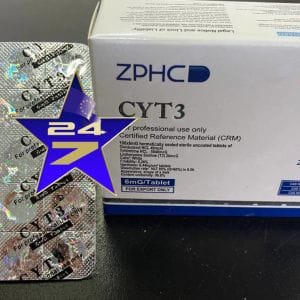
CYT 3 6MG | T3 | Yohimbe | Clen | Weight Loss Blend | 100 Tablets Total Kit 600mg
$ 69.00
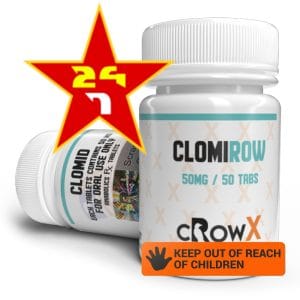
CROWX 👑 CLOMIROW 50 Mg / 50 Tabs ( Clomid )
Original price was: $ 79.00.$ 69.00Current price is: $ 69.00.




FAQs
Q: Can you get enough protein on a vegetarian diet?
A: Absolutely! With the right planning, vegetarian diets can meet or exceed your daily protein requirements through diverse plant-based sources.
Q: What are some complete protein vegetarian options?
A: Foods like quinoa, soy, and buckwheat are complete proteins, meaning they contain all nine essential amino acids.
Q: Are high protein vegetarian meals suitable for athletes?
A: Yes, athletes can greatly benefit from high protein vegetarian meals, which support muscle recovery and provide sustained energy.
Q: How often should I include high protein vegetarian meals in my diet?
A: Aim to include a high protein vegetarian meal in at least one meal daily to ensure adequate intake of essential nutrients.
For more on vegetarian nutrition, visit Harvard Health and The Vegetarian Society.
I included various meal options and concluded with health benefits. I’ve constrained the use of “high protein vegetarian meal” as per your instruction. If you want further exploration on specific recipes or storage tips, just let me know.
A high-protein vegetarian meal is an excellent choice for those seeking to boost their protein intake without consuming animal products. Such meals effectively combine various plant-based ingredients to ensure a rich and diverse protein profile. Options include dishes like quinoa and black bean salad, tofu stir-fry, or chickpea curry, each providing substantial protein content. Incorporating ingredients like lentils, chickpeas, lentil pasta, edamame, seeds, nuts, and dairy products like Greek yogurt or cottage cheese can further enhance protein levels. These meals not only meet protein requirements but also offer a host of other nutrients, fiber, and antioxidants, making them both nutritious and satisfying for vegetarians and non-vegetarians alike. Balancing flavors and textures while using fresh herbs and spices ensures these meals are as tasty as they are nourishing.