Power Up Your Diet: Top Foods Packed with Potassium
TABLE OF CONTENTS

Potassium is an essential mineral vital for various bodily functions, including maintaining proper nerve and muscle function, balancing electrolytes, and regulating blood pressure. Consuming an adequate amount of potassium can reduce the risk of cardiovascular diseases, stroke, and other health complications. This article explores various foods that are abundant in potassium and the benefits they offer.
High Potassium Foods
Bananas
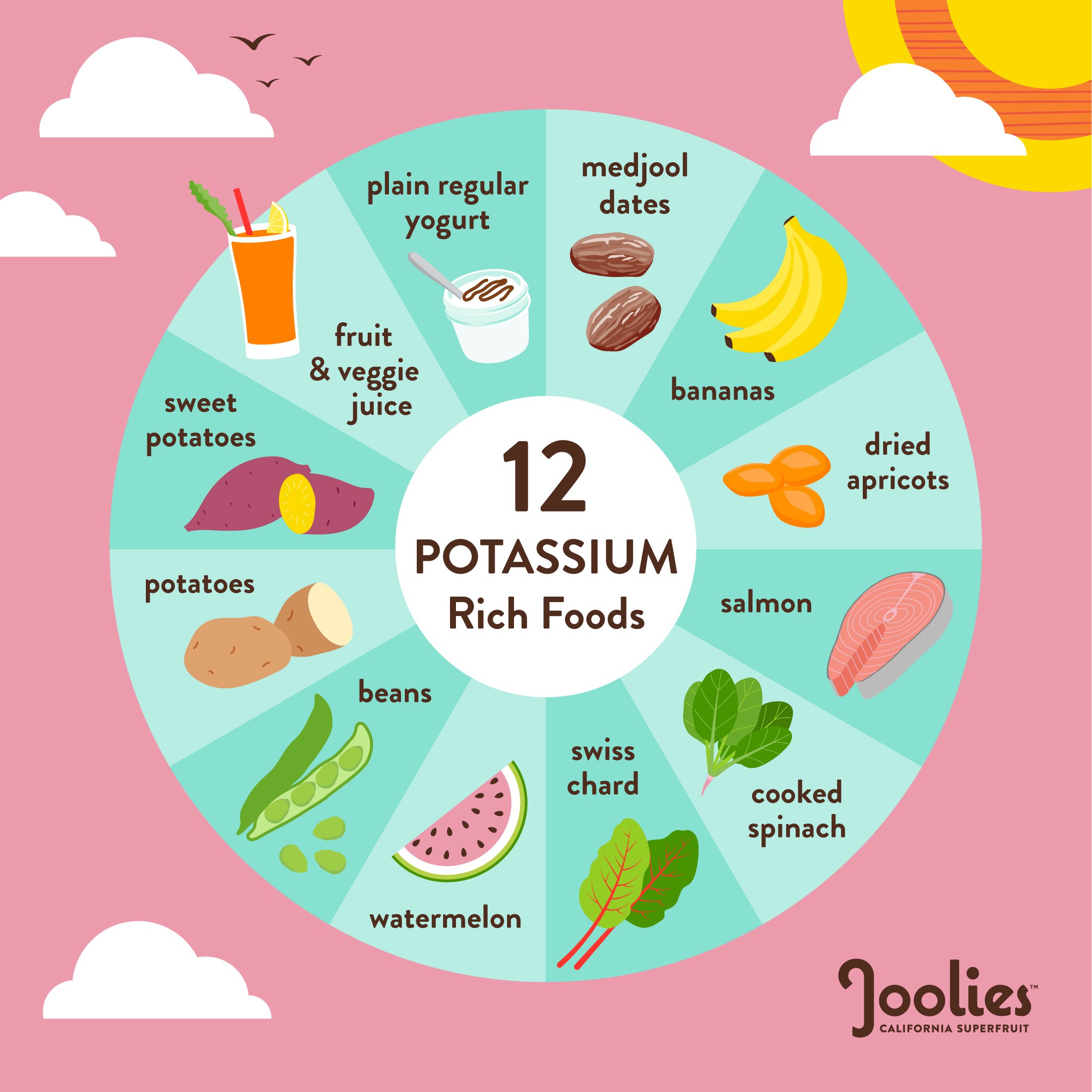
Bananas are perhaps the most well-known source of potassium. A medium-sized banana offers approximately 400-450 mg of potassium. This fruit is easy to incorporate into smoothies, cereals, or as a portable snack. Rich in vitamin C, bananas also help with the absorption of iron and promoting a healthy digestive tract.
Sweet Potatoes
Sweet potatoes are another excellent potassium source, offering around 540 mg in a single medium potato. Aside from their rich potassium content, sweet potatoes provide fiber, vitamins, and antioxidants that support heart health and overall well-being. Baking or steaming sweet potatoes preserves most of their nutrients.
Spinach
Loaded with potassium, a cup of cooked spinach contains around 840 mg of this vital mineral. Spinach is also rich in iron, calcium, and magnesium, making it a superfood for bone health and oxygen circulation. It’s versatile enough to be included in salads, smoothies, or as part of a cooked meal.
Avocados
Avocados offer a creamy and versatile option for incorporating potassium into your diet. A single avocado contains about 970 mg of potassium. Beyond potassium, avocados are packed with healthy fats, fiber, and vitamins, making them ideal for heart health and maintaining cholesterol levels.
White Beans
White beans, such as cannellini beans, not only provide roughly 600 mg of potassium per half-cup but also deliver a high amount of protein and fiber. They can be incorporated into soups, stews, salads, or mashed as a dip. Including white beans in your diet supports heart health and regulates blood sugar levels.
Conclusion
Balanced potassium intake is crucial for maintaining vital bodily functions, supporting cardiovascular health, and ensuring proper muscle and nerve functions. Including a variety of high-potassium foods in your diet ensures you meet your daily nutritional requirements without over-relying on any single source. By exploring diverse options such as bananas, sweet potatoes, spinach, avocados, and white beans, you can create a balanced and healthful diet rich in potassium and other essential nutrients.
FAQs
What are the benefits of consuming foods high in potassium?
High intake of potassium-rich foods can help lower blood pressure, reduce the risk of stroke, bolster muscle and nerve functions, and balance electrolytes.
How much potassium should I consume daily?
The recommended daily intake of potassium for an average adult is approximately 2,500 to 3,000 mg. However, individual requirements may vary depending on health conditions and lifestyle.
Can I get enough potassium from supplements?
While potassium supplements are available, it is advisable to obtain this nutrient from natural food sources to ensure a balanced intake of other essential nutrients and antioxidants.
For further reading on the importance of potassium, check out this comprehensive guide and learn about dietary recommendations from trusted health sources.
BIG SALE | FAST SHIPPING
HOT PROMOTIONS!



ZPHC Clomid Clomiphene 25mg/tablet | 100 Tablets Total: 2500mg

Original price was: $ 159.00.$ 65.00Current price is: $ 65.00.
STADA MEGA CUTS BLEND 300 MG 10ML (TRENBOLONE)

Original price was: $ 129.00.$ 119.00Current price is: $ 119.00.


ZPHC UltraMix 1ml amps x 10 amps - 1ml = 250mg

Original price was: $ 259.00.$ 179.00Current price is: $ 179.00.

Potassium is an essential mineral and electrolyte that plays a crucial role in maintaining proper nerve function and muscle contraction, as well as regulating fluid balance in the body. Foods high in potassium are vital for supporting cardiovascular health and reducing the risk of hypertension. Among the most potassium-rich foods, bananas are commonly highlighted, offering about 422 mg per medium-sized fruit. However, other foods surpass bananas in potassium content, such as sweet potatoes, which provide approximately 542 mg per medium specimen, and avocados, which contain roughly 487 mg per half. Leafy greens like spinach and Swiss chard are also excellent sources, delivering nearly 839 mg per cooked cup. Additional potassium-rich options include white beans, with about 829 mg per cup, and salmon, which provides around 534 mg per 154-gram serving. Incorporating a variety of these foods into the diet can help individuals meet the recommended daily intake of potassium, supporting overall health and well-being.