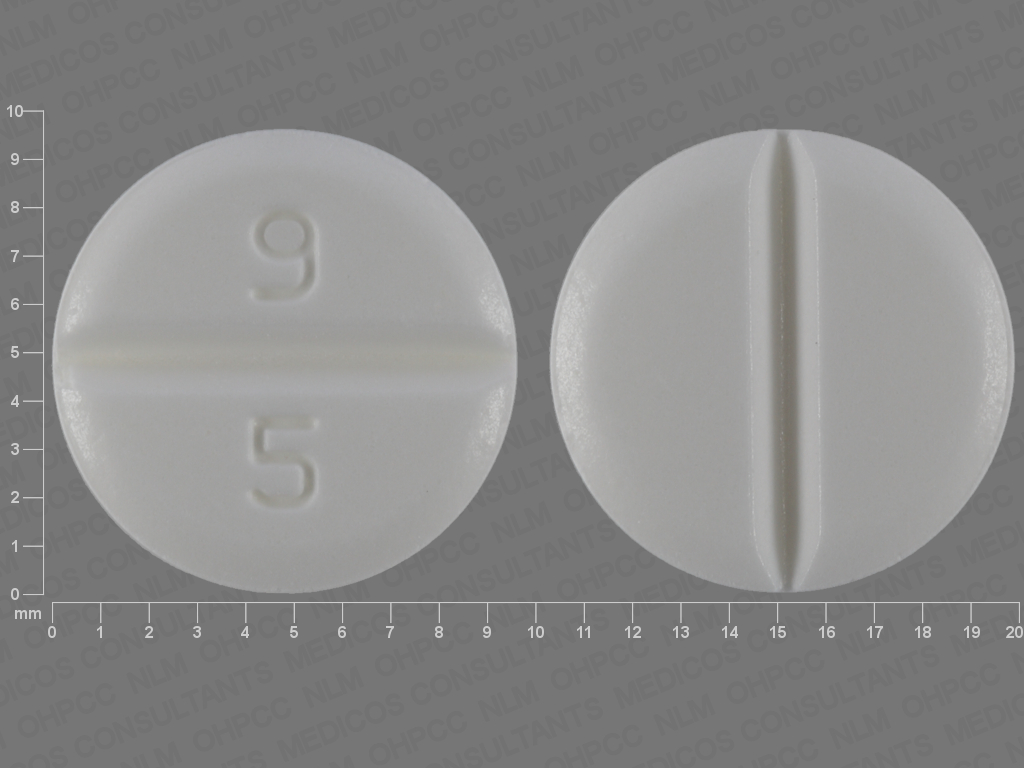
Pramipexole
TABLE OF CONTENTS

Pramipexole is a medication primarily used in the treatment of Parkinson’s disease and restless legs syndrome (RLS). As a dopamine agonist, it works by stimulating dopamine receptors in the brain, thereby alleviating symptoms like tremors, muscle stiffness, and difficulty moving. Introduced in the late 1990s, this drug has been pivotal in providing relief for those affected by these neurological conditions.
How Pramipexole Works
The mechanism of action for Pramipexole involves mimicking the effects of dopamine, a crucial neurotransmitter involved in control of movement and coordination. In conditions such as Parkinson’s disease, dopamine levels are significantly reduced, leading to impaired motor functions. By activating dopamine receptors, Pramipexole helps restore some of this function, improving patient mobility and quality of life.
Uses of Pramipexole
Pramipexole is prevalently prescribed for two main medical conditions:
- Parkinson’s Disease: Patients experience improvements in motor skills and reduction in tremors and stiffness.
- Restless Legs Syndrome (RLS): It helps alleviate discomfort and unpleasant sensations in the legs that often disrupt sleep.
Side Effects and Precautions
While Pramipexole is beneficial for many patients, it does come with potential side effects. Common side effects include nausea, dizziness, and difficulty sleeping. In some cases, patients might also experience hallucinations, compulsive behaviors, or sudden drops in blood pressure. It is important for patients to consult with their healthcare provider to ensure this medication is suitable for them, taking into account any other existing medical conditions or medications.
Conclusion
Pramipexole plays a significant role in managing Parkinson’s disease and RLS, offering relief and improved daily function. Although it is generally well-tolerated, patients should be aware of the possible side effects and interact closely with their healthcare providers for optimal results. Understanding how it operates and who can benefit from it is key to its effective use.
FREE SHIPPING
BIG SALE | FAST SHIPPING
HOT PROMOTIONS!


DIANABOL 50MG FIERCE 50 CAPS

Original price was: $ 119.00.$ 99.00Current price is: $ 99.00.



STADA DHB DIHYDROBOLDENONE 100MG 10 ML

Original price was: $ 219.00.$ 109.00Current price is: $ 109.00.


FAQs
Q: What does Pramipexole treat?
A: It is primarily used for treating Parkinson’s disease and restless legs syndrome.
Q: Is there anything I should avoid while taking Pramipexole?
A: Avoid alcohol and activities that require alertness if you experience drowsiness or dizziness.
Q: What should I do in case of an overdose?
A: Seek immediate medical attention to manage a Pramipexole overdose safely.
Q: Can Pramipexole cause withdrawal symptoms?
A: Yes, sudden discontinuation can lead to withdrawal symptoms; tapering off under medical guidance is recommended.
For those looking to learn more, make sure to consult healthcare professionals and engage in open discussions to ensure the best therapeutic outcomes.
Pramipexole is a medication primarily used in the management of Parkinson’s disease and restless legs syndrome (RLS). It is classified as a dopamine agonist, meaning it activates dopamine receptors in the brain, compensating for the diminished dopaminergic activity characterizing Parkinson’s disease. By mimicking dopamine, pramipexole helps to alleviate symptoms such as tremors, stiffness, and movement difficulties, significantly improving quality of life for affected individuals. In addition to its primary uses, pramipexole has been explored for off-label uses, including the treatment of depression and fibromyalgia, due to its effect on dopaminergic pathways. As with many medications, it may have side effects, including nausea, dizziness, and potential behavioral changes, necessitating careful management and monitoring by healthcare professionals. Overall, pramipexole represents a significant advancement in the pharmacological treatment of movement disorders, offering symptomatic relief to many patients.