
Pre-Clinical SARMs: Innovations and Challenges in Drug Discovery

SARMs, or Selective Androgen Receptor Modulators, have gained increasing attention in the field of medicine and bodybuilding due to their potential to mimic the effects of anabolic steroids without the adverse side effects. Pre-clinical SARMs research is a crucial phase where these compounds are extensively tested before being approved for human use. This phase helps scientists understand their efficacy, safety, and broader applications. 🚀
What are Pre-Clinical SARMS?
Pre-clinical SARMs are compounds that are still under investigation in laboratory and animal studies. These molecules are designed to selectively interact with androgen receptors, primarily in muscle and bone tissues, which potentially enhances muscle growth and bone density. Unlike traditional anabolic steroids, which affect the whole body, SARMs precision-target specific tissues, thereby reducing unwanted side effects.
Potential Benefits of Pre-Clinical SARMS
The allure of pre-clinical SARMs lies in their promise for both therapeutic and fitness applications. In the medical realm, they are being explored for treating muscle-wasting diseases, osteoporosis, and even certain cancers. For athletes and bodybuilders, these compounds provide hope for muscle growth and fat loss without the risks associated with steroids. Studies in pre-clinical phases aim to validate these benefits, positioning SARMs as a critical development in therapeutic and fitness enhancement. 💪
Challenges and Concerns
Despite promising preliminary results, pre-clinical SARMs face several challenges. The main concern lies in ensuring these compounds are safe for long-term use. Potential side effects, such as liver toxicity and hormonal imbalances, must be thoroughly researched and understood. Regulatory bodies require exhaustive testing and data before these compounds can move beyond the pre-clinical phase into clinical trials. Additionally, the risk of misuse and abuse in the sports and fitness industries is a significant concern.
The Future of Pre-Clinical SARMS
The future looks promising for pre-clinical SARMs. As research continues, these compounds could revolutionize the treatment of various health conditions and offer safer alternatives for fitness enthusiasts. As we continue to gain knowledge, the hope is to find a balance between maximizing health benefits while minimizing risks. 🔬
Conclusion
Pre-clinical SARMs are at the forefront of medical and fitness research, showing immense promise in both arenas. Despite current challenges, ongoing research is defining their role in modern medicine. The ultimate goal is to ensure their safety and efficacy, paving the way for potential mainstream adoption in the near future.
FAQs
-
- What are SARMs? SARMs are compounds designed to mimic the effects of anabolic steroids, focusing on increasing muscle and bone mass without significant side effects.
-
- Are pre-clinical SARMs safe? While current research shows promise, pre-clinical SARMs are still under investigation, and their long-term safety needs confirmation through rigorous testing.
-
- How are SARMs different from steroids? SARMs selectively target androgen receptors in certain tissues, minimizing the widespread effects seen with traditional steroids.
FREE SHIPPING
BIG SALE | FAST SHIPPING
HOT PROMOTIONS!





DIANABOL 50MG FIERCE 50 CAPS

Original price was: $ 119.00.$ 99.00Current price is: $ 99.00.

#peptides #skincare #antiaging #b #skin #beauty #collagen #wellness #weightloss #sermorelin #ghrp #stayfit #bodybuilding #injections #hcg #skincareroutine #hcgphase #hcgdiet #hcginjections #doral #hcgplus #hcgworks #miami #hcgpellets #hcgdrops #hcgusers #hcgcommunity #hcgresults #miamibeach #hcgprotocol #hcgchica #alastinskincare
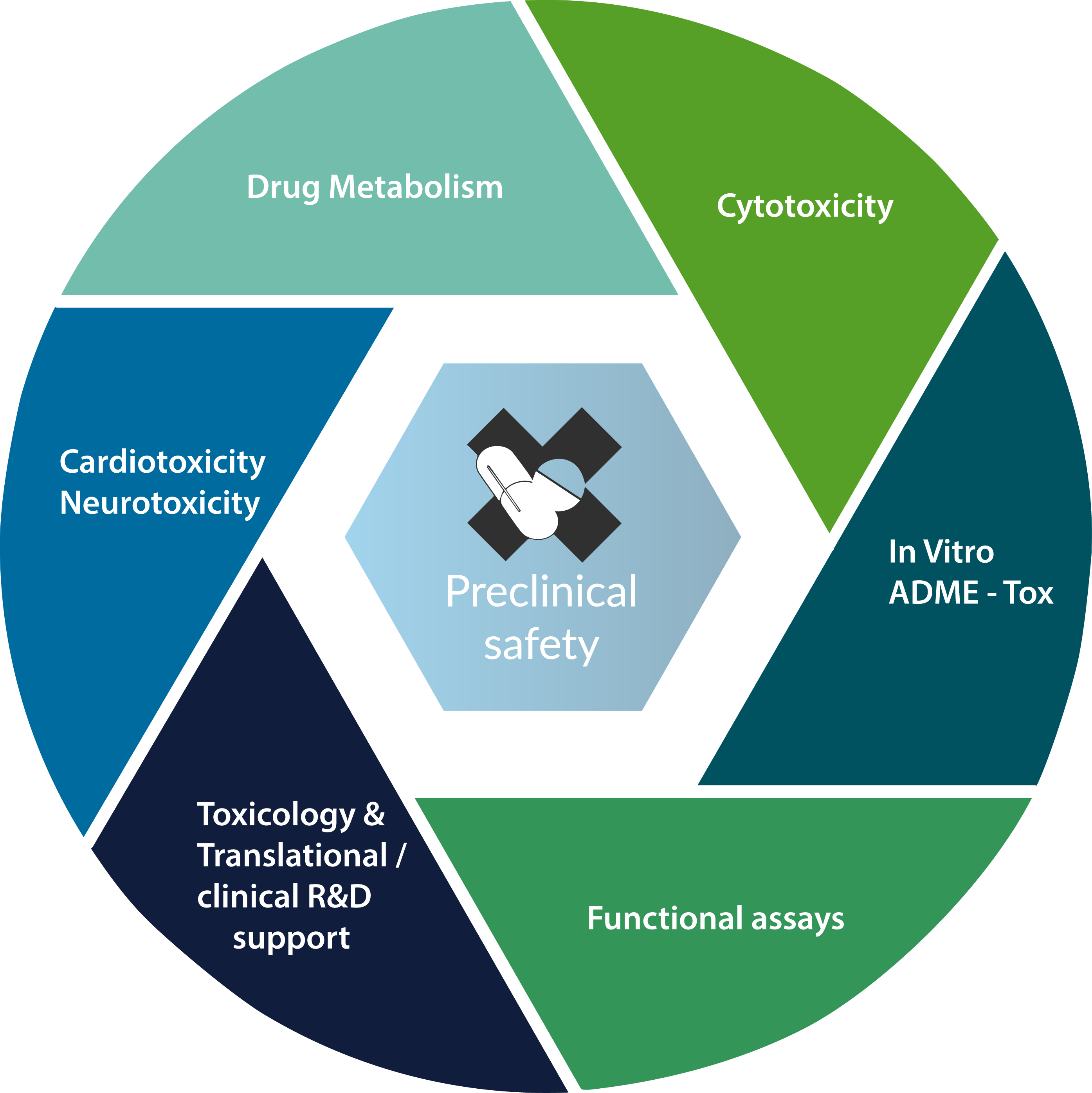
Pre-clinical SARMs (Selective Androgen Receptor Modulators) are a class of experimental drugs that have shown promise in selectively targeting androgen receptors in order to provide the muscle-building benefits of anabolic steroids without the undesirable side effects. During the pre-clinical stages of development, these compounds are rigorously tested in vitro (in the lab) and in vivo (in animal models) to evaluate their efficacy, safety, pharmacokinetics, and pharmacodynamics before they may progress to human clinical trials. The scientific community is hopeful about SARMs’ potential to treat a variety of conditions such as muscle wasting diseases, osteoporosis, and hypogonadism, with some compounds demonstrating promising anabolic activity and tissue selectivity. The ultimate goal of these pre-clinical investigations is to establish a foundation for the safe transition of SARMs to clinical testing, ensuring that their potential therapeutic benefits can be realized without significant adverse effects.