

Pre-Clinical SARMs: News in Muscle and Bone Health Research

Selective Androgen Receptor Modulators, commonly known as SARMs, are compounds that have gained attention for their potential benefits in muscle growth and fat loss, similar to anabolic steroids but with supposedly fewer side effects. While the efficacy and safety of SARMs for human use are still under investigation, there’s a lot of buzz around pre-clinical SARMs. This article unpacks what pre-clinical SARMs are and explores their role in the research and bodybuilding 🌟 community.
What are Pre-Clinical SARMS?
Pre-clinical SARMs refer to those which are in the initial stages of research, primarily being tested in laboratory settings and not yet approved for human use. Such compounds are typically evaluated on their effectiveness in animal models and in vitro studies to understand their potential therapeutic benefits and safety profile. Although not yet available for market use, these SARMs are crucial in informing future clinical trials and possible medical applications.
Mechanism of Action of SARMs
SARMs work by selectively targeting androgen receptors in the body, leading to muscle and bone anabolic activity. Unlike traditional anabolic steroids, which can affect multiple organs and tissues, SARMs are designed to only target specific parts, thereby reducing unwanted side effects. This selectivity is what makes pre-clinical SARMs so promising for therapeutic applications and muscle enhancement facets without the adverse effects linked to steroids 💪.
Current Research and Potential Applications
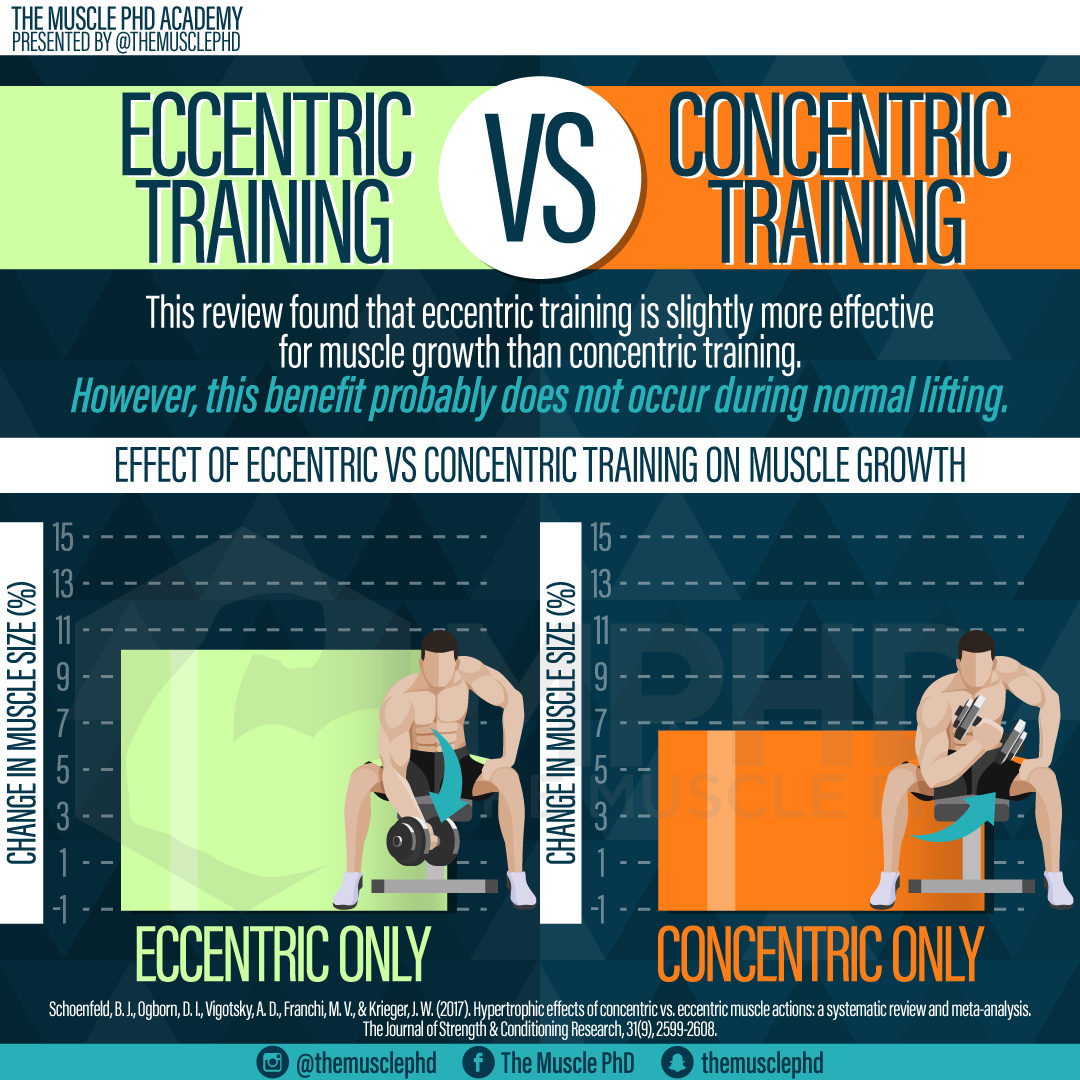
Research on pre-clinical SARMs is primarily focused on their application in treating muscle-wasting diseases, osteoporosis, and other conditions requiring enhanced anabolic action. Some ongoing studies also aim to assess their potential in enhancing athletic performance and recovery in bodybuilding and other physical activities.
These pre-clinical studies aim to determine the efficacy of SARMs in building lean muscle mass, increasing bone density, and accelerating recovery times. However, it’s important to note that these developments are still in trial phases, and the effects on humans can only be confirmed through rigorous clinical testing.
Conclusion
Pre-clinical SARMs hold promising potential in medical and bodybuilding domains, offering an alternative to traditional anabolic substances. However, it’s crucial to approach this potential with caution. Until there’s conclusive evidence from clinical trials, the use of SARMs outside research settings remains speculative and often fraught with legal and health risks ⚠️. As the fitness and medical communities await further developments, understanding the current landscape of pre-clinical SARMs helps set realistic expectations.
FREE SHIPPING
BIG SALE | FAST SHIPPING
HOT PROMOTIONS!



ZPHC Dbol Dianabol Methandienone 10mg x 100 tablets
Original price was: $ 99.00.$ 69.00Current price is: $ 69.00.
DBOL 50mg TABLETS 50 TABLETS FIERCE

Original price was: $ 110.00.$ 109.00Current price is: $ 109.00.

FAQs About Pre-Clinical SARMS
Are pre-clinical SARMs safe?
Since pre-clinical SARMs have not undergone extensive human trials, their safety profile is not yet established for human use.
Can I use pre-clinical SARMs for bodybuilding?
Currently, pre-clinical SARMs are not approved for human consumption. Using them could be associated with health risks and legal issues.
How do pre-clinical SARMs differ from anabolic steroids?
SARMs are designed to selectively target only muscle and bone tissues, unlike anabolic steroids, which affect the entire body, thereby potentially reducing side effects.
Pre-clinical Selective Androgen Receptor Modulators (SARMs) are a class of investigational compounds that have garnered significant interest within the biomedical research community due to their potential therapeutic benefits with fewer side effects compared to traditional anabolic agents like steroids. Unlike conventional androgens, SARMs are designed to selectively target androgen receptors in specific tissues such as muscles and bones, thereby enhancing muscle growth and bone density without adversely affecting other organs, such as the liver and prostate. In pre-clinical settings, which typically involve laboratory and animal studies, SARMs have shown promise in treating conditions like muscle wasting and osteoporosis, offering insights into their mechanisms of action and potential applications in human health. However, despite these promising findings, extensive research and clinical trials are necessary to fully understand their efficacy, safety profiles, and long-term effects before they can be considered for widespread therapeutic use.