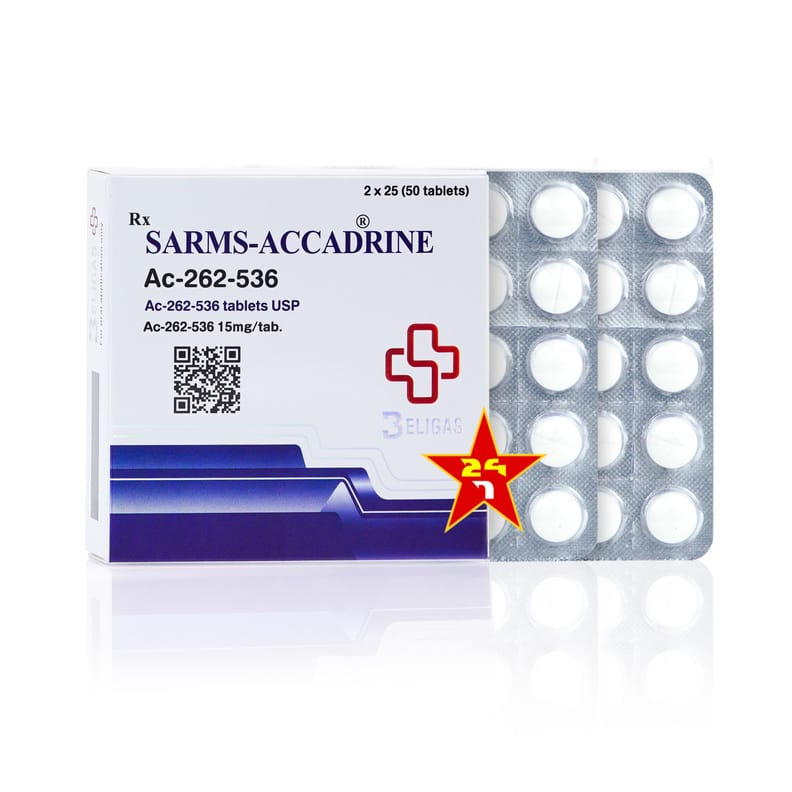

Description
TABLE OF CONTENTS
ACCADRINE Ac-262-536, a selective androgen receptor modulator (SARM), has been gaining attention in the fitness and medical communities for its potential benefits and risks. As an investigational compound, it is important to understand its mechanism, advantages, and possible downsides. This article aims to provide a balanced view of ACCADRINE Ac-262-536, focusing on its pros and cons to help readers make informed decisions.
Understanding ACCADRINE Ac-262-536:
ACCADRINE Ac-262-536 is a non-steroidal SARM designed to selectively bind to androgen receptors, potentially mimicking the effects of anabolic steroids without some of the associated side effects. This compound was initially developed with the hope of treating muscle wasting diseases and osteoporosis, given its ability to promote muscle growth and bone density. Unlike traditional anabolic steroids, ACCADRINE Ac-262-536 is believed to minimize undesirable effects such as liver toxicity and hormonal imbalances, offering a more targeted approach to enhancing muscle development and recovery.
Pros:
The potential benefits of ACCADRINE Ac-262-536 have made it a subject of interest for both researchers and fitness enthusiasts. One of the primary advantages is its ability to increase lean muscle mass and strength, which could be particularly beneficial for individuals recovering from illness or injury. Additionally, its selective action on androgen receptors may reduce the risk of side effects commonly associated with anabolic steroids, such as hair loss, acne, and prostate enlargement. ACCADRINE Ac-262-536 may also aid in the preservation of bone mineral density, offering potential therapeutic benefits for those suffering from osteoporosis or other bone-related conditions.
Cons:
Despite its promising benefits, ACCADRINE Ac-262-536 is not without its risks and drawbacks. As a compound still under investigation, its long-term effects on human health remain unclear. Potential side effects could include hormonal imbalances, such as suppression of natural testosterone production, which may lead to complications if not properly managed. Furthermore, the lack of comprehensive clinical trials means that the safety profile of ACCADRINE Ac-262-536 is not fully established, posing a risk to users who choose to experiment with it outside of a controlled medical setting. The legal status of SARMs like ACCADRINE Ac-262-536 also varies by region, which can impact availability and regulatory oversight.
In conclusion, ACCADRINE Ac-262-536 presents a compelling option for those seeking the benefits of enhanced muscle growth and bone density without the full spectrum of side effects associated with anabolic steroids. However, the risks associated with its use, particularly given the absence of extensive clinical research, cannot be overlooked. As with any investigational compound, individuals considering ACCADRINE Ac-262-536 should weigh the potential benefits against the possible risks and consult with healthcare professionals to make informed decisions. Continued research and clinical trials will be crucial in determining the safety and efficacy of ACCADRINE Ac-262-536 for both medical and recreational use.
Related products
-
 $ 119.00
 -
 Sale!Original price was: $ 130.00.$ 119.00Current price is: $ 119.00.
 -
 Sale!Original price was: $ 99.00.$ 89.00Current price is: $ 89.00.
 -
 Sale!Original price was: $ 110.00.$ 109.00Current price is: $ 109.00.