Prostanozol
TABLE OF CONTENTS

In recent years, the skincare and wellness industry has seen a growing interest in novel peptides and compounds. Among these intriguing innovations is Prostanozol, a compound attracting attention for its potential benefits. As individuals seek effective solutions for anti-aging and overall well-being, Prostanozol offers a promising alternative. In this article, we will explore what Prostanozol is, its potential benefits, and address some frequently asked questions.
What is Prostanozol?
Prostanozol is a synthetic compound known for its potential to boost collagen production and improve skin health. By supporting the body’s natural processes, it plays a role in enhancing skin elasticity, minimizing fine lines, and promoting a youthful appearance. While the exact mechanism of action is still under study, Prostanozol’s potential benefits have made it a topic of interest among scientists and skincare enthusiasts.
Potential Benefits of Prostanozol
The primary appeal of Prostanozol lies in its multiple benefits related to skin health and general wellness:
-
- Anti-Aging: Prostanozol may help reduce the appearance of wrinkles and fine lines by stimulating collagen production in the skin.
-
- Skin Elasticity: Users have reported improved skin firmness and elasticity, contributing to a more youthful appearance.
-
- Overall Wellness: As part of a balanced skincare routine, Prostanozol can potentially enhance the overall look and feel of the skin.
FREE SHIPPING
BIG SALE | FAST SHIPPING
HOT PROMOTIONS!
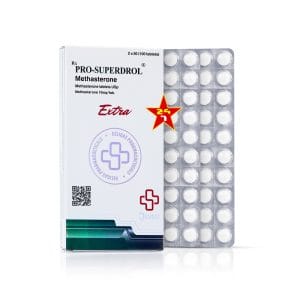


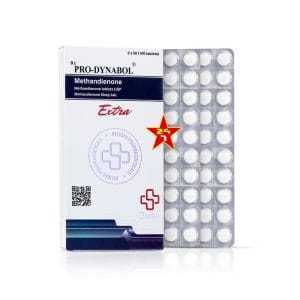
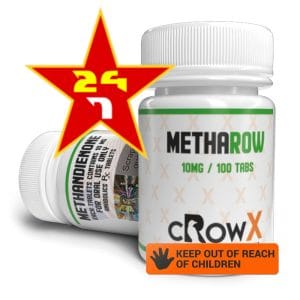
ZPHC Dbol Dianabol Methandienone 10mg x 100 tablets
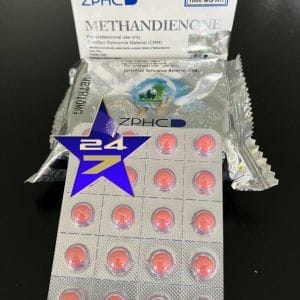
Original price was: $ 99.00.$ 69.00Current price is: $ 69.00.


Using Prostanozol in Your Skincare Routine
Integrating Prostanozol into your skincare regimen can be an excellent step toward achieving desired skin goals. When used correctly, it may complement other skincare products and enhance overall results. Consulting with a dermatologist or skincare professional is advisable to tailor its usage to your specific needs and skin type.
Conclusion
Prostanozol represents an exciting advancement in the skincare and wellness sector, offering potential benefits that align with people’s desire for healthier and youthful skin. While research is still underway to fully understand its mechanisms and effects, the current results are promising. As with any addition to your skincare routine, expert guidance ensures safe and effective usage.
FAQs
-
- Is Prostanozol safe for all skin types? It is generally considered safe, but a patch test and consultation with a skincare professional are recommended.
-
- Can Prostanozol be combined with other skincare products? Yes, it often works well with other products but always check for specific interactions with your dermatologist.
-
- How soon can one see results from using Prostanozol? Results may vary, but users often notice improvements in skin texture and appearance within a few weeks.
-
- Are there any known side effects of using Prostanozol? Side effects are rare but can include minor irritation; always discontinue use and consult a professional if this occurs.
#peptides #skincare #antiaging #b #skin #beauty #collagen #wellness #weightloss #sermorelin #ghrp #stayfit #bodybuilding #injections #hcg #skincareroutine #hcgphase #hcgdiet #hcginjections #doral #hcgplus #hcgworks #miami #hcgpellets #hcgdrops #hcgusers #hcgcommunity #hcgresults #miamibeach #hcgprotocol #hcgchica #alastinskincare
Prostanozol is a synthetic anabolic steroid that was developed as a non-methylated analog of Stanozolol, designed to enhance anabolic properties while minimizing androgenic effects. It is marketed as a prohormone supplement, aimed primarily at bodybuilders and athletes seeking to improve muscle mass, strength, and performance without the hepatotoxic risks associated with methylated compounds. Prostanozol functions by converting to active metabolites in the body that bind to androgen receptors, promoting protein synthesis and muscle growth. Its non-methylated structure reportedly reduces the risk of liver damage, which is a significant concern with similar compounds. Despite its potential benefits, the use of Prostanozol, like other anabolic agents, can lead to adverse effects such as hormonal imbalance and is typically banned by sporting organizations. Users are advised to approach such supplements with caution, considering the legal and health ramifications associated with off-label use.