Raising the Bar: The Rise and Resurgence of Olympic Weightlifting
TABLE OF CONTENTS

Olympic lifting weights is a discipline that combines strength, speed, and technique to perform explosive barbell movements. Not only does this type of training offer impressive gains in muscle size and strength, but it also improves overall athleticism by emphasizing power, coordination, and balance. The allure of Olympic lifting is its dynamic nature, which goes beyond traditional weightlifting to include the full spectrum of physical prowess.
The Core Olympic Lifting Movements
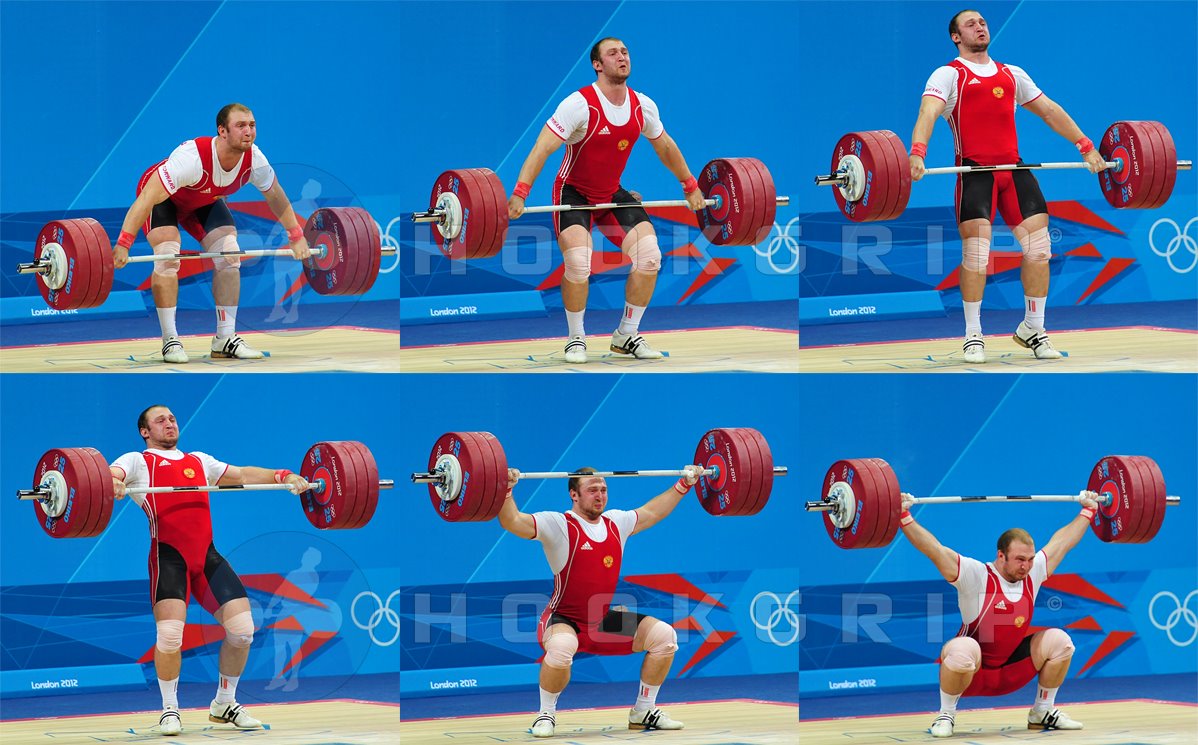
There are primarily two Olympic lifting movements: the snatch and the clean and jerk. These lifts require the athlete to move a barbell from the ground to an overhead position, but they do so in distinctly different manners.
The Snatch
The snatch is a single, fluid motion where the lifter moves the barbell from the floor directly overhead with arms fully extended. It is a demonstration of both power and grace, requiring immense shoulder mobility and core stability.
The Clean and Jerk
This lift is accomplished in two stages. First, the athlete “cleans” the weight by bringing the barbell to the shoulders. Subsequently, the “jerk” involves propelling the bar overhead in a single explosive motion. Each phase of the clean and jerk demands its own technical harmony and strength.
Benefits of Olympic Lifting Weights
- Increased Physical Power: Olympic lifting greatly enhances power generation, which is valuable not only in athletics but in everyday functional tasks.
- Enhanced Athletic Performance: Improvement in speed, agility, and endurance makes Olympic lifting a staple in the training regimens of athletes across diverse sports.
- Functional Strength: The multi-joint movements employed mimic real-life activities, thereby enhancing functional fitness and reducing the risk of injury.
- Mental Fortitude: The technical and physical demands foster concentration, patience, and resilience, important traits both inside and outside the gym.
Getting Started With Olympic Lifting
Beginners should consider enrolling in an Olympic lifting class to learn the foundational techniques. Proper form is crucial to prevent injury and to ensure effective lifting. Investing time in learning from certified coaches and utilizing resources such as the United States Olympic & Paralympic Committee can be invaluable. Additionally, using high-quality equipment is essential for safety and performance. Check out reputable brands recommended by Men’s Health.
Conclusion
Olympic lifting weights is not only about building muscle. It’s an all-encompassing, multifaceted form of exercise that builds power, enhances athletic performance, and encourages functional strength. By incorporating Olympic lifting into your regimen, you’re investing in a discipline that offers both physical and mental benefits.
FAQs
What are Olympic lifting weights?
Olympic lifting weights refer to the specialized barbells and weight plates used in Olympic weightlifting sports to perform lifts such as the snatch and clean and jerk.
How can beginners start with Olympic lifting?
Beginners are advised to take classes from certified trainers to learn the proper techniques and gradually increase the weights under supervision.
Is Olympic lifting suitable for everyone?
With proper instruction and adaptations for individual needs, Olympic lifting can benefit people of varying fitness levels. However, it’s crucial to get medical clearance if you have existing health concerns.
BIG SALE | FAST SHIPPING
HOT PROMOTIONS!
Beligas 10ml Vial Testosterone NPP Blend 150mg

Original price was: $ 119.00.$ 99.00Current price is: $ 99.00.
CROWX 👑 CLOMIROW 50 Mg / 50 Tabs ( Clomid )

Original price was: $ 79.00.$ 69.00Current price is: $ 69.00.
CLOMID 50MG FIERCE 50 TABLETS

Original price was: $ 129.00.$ 119.00Current price is: $ 119.00.



ZPHC UltraMix 1ml amps x 10 amps - 1ml = 250mg
Original price was: $ 259.00.$ 179.00Current price is: $ 179.00.


Olympic lifting, often showcased in the prestigious Olympic Games, comprises two primary weightlifting movements: the snatch and the clean and jerk. These lifts test not only an athlete’s raw strength but also their speed, technique, flexibility, and coordination. Unlike powerlifting, which focuses on maximum strength through slow lifts like the squat, bench press, and deadlift, Olympic lifting requires athletes to lift heavy weights overhead in one fluid motion for the snatch or two distinct movements for the clean and jerk. Precision and skill are critical, as even a minor misstep can lead to failed lifts or potential injury. Athletes train for years to perfect their techniques, honing the explosive power and precision required to excel. The combination of athletic grace, dynamic power, and strategic planning makes Olympic lifting a captivating and challenging sport, celebrated for its ability to push human capabilities to the extremes.