Rehydrate and Revive: The Rise of IV Hangover Treatments
TABLE OF CONTENTS

In recent years, the popularity of IV hangover therapy has skyrocketed, promising quick relief from the effects of a night of overindulgence. This treatment involves the administration of fluids, vitamins, and medications directly into the bloodstream, theoretically speeding up recovery by rehydrating and replenishing essential nutrients. Let’s explore the science, benefits, and controversies surrounding IV hangover therapy.
What is IV Hangover Therapy?
IV hangover therapy, often marketed as a “cure” for hangovers, involves an intravenous drip that delivers a cocktail of fluids, vitamins, electrolytes, and sometimes medications like anti-nausea drugs. Clinics offering this service claim it alleviates common hangover symptoms such as headache, nausea, fatigue, and dehydration within a short period.
Benefits of IV Hangover Therapy
The primary advantage of IV hangover therapy is its rapid onset of action. Unlike oral hydration, which takes time to be absorbed by the digestive system, intravenous fluids are delivered directly into the bloodstream, offering immediate rehydration. This can be especially beneficial for severe hangovers where dehydration is a significant concern. Additionally, the inclusion of vitamins and antioxidants aims to neutralize free radicals and toxins in the body, potentially improving overall recovery.
Controversies and Considerations
Despite its growing popularity, IV hangover therapy is not without controversy. Critics argue that its effectiveness may be overstated, as the human body is naturally equipped to recover from hangovers with time, rest, and hydration. Furthermore, questions arise about the safety and necessity of such treatments, especially when done frequently. It is important to consult with a healthcare provider before undergoing IV therapy, particularly for individuals with underlying health conditions.
Conclusion
IV hangover therapy offers a modern approach to manage hangovers, combining immediate rehydration with nutritional support. Whether it’s a miraculous cure or a temporary relief measure, it undoubtedly provides an avenue for those seeking a quick recovery. However, it should be approached with informed caution and not seen as a replacement for responsible drinking.
FAQs
What is in the IV drip for hangovers?
Typically, it includes saline solution, electrolytes like sodium and potassium, vitamins such as B and C, and sometimes medications to tackle nausea and inflammation.
How long does the treatment take?
An IV hangover therapy session usually lasts about 30 to 60 minutes, with effects often noticed immediately after completion.
Is IV hangover therapy safe?
While generally considered safe for most people, it’s important to undergo it under medical supervision, especially if you have pre-existing health conditions.
Can it prevent a hangover?
No, IV hangover therapy is not preventive. It’s meant to alleviate symptoms after they occur.
How often can you use it?
Frequent use is not recommended. It’s best reserved for severe cases and not as a regular solution.
FREE SHIPPING
HOT PROMOTIONS!
BIG SALE | FAST SHIPPING

SOMATROPIN 100IU AXIOM HGH

Original price was: $ 299.00.$ 229.00Current price is: $ 229.00.


ZPHC Winstrol Stanozolol 10mg x 100 Tablets
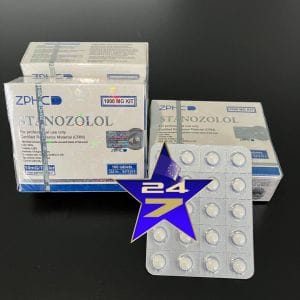
Original price was: $ 99.00.$ 79.00Current price is: $ 79.00.


Explore more on health and fitness here, read about fitness enhancements, discover bodybuilding tips, and check out domestic options available.
IV hangover therapy has gained popularity as a quick fix for alleviating the unpleasant symptoms of a hangover. This treatment involves administering a blend of vitamins, electrolytes, and medications directly into the bloodstream through an intravenous drip. The idea is to rapidly rehydrate the body, replenish depleted nutrients, and relieve symptoms such as nausea, headache, and fatigue. While proponents argue that IV therapy offers faster and more effective relief compared to conventional methods, such as drinking water or consuming over-the-counter remedies, its efficacy varies from person to person. Critics also highlight the potential risks and high costs associated with the treatment, advising caution and suggesting it be used sparingly rather than as a regular solution.