Repatha’s Price in the Pharmaceutical Market
TABLE OF CONTENTS

Exploring the Cost of Repatha: A Comprehensive Overview
Repatha, a medication used to lower LDL cholesterol levels, has become an essential component of treatment for individuals struggling with specific types of hyperlipidemia. As healthcare costs continue to climb, understanding the pricing dynamics of this medication is vital for patients and healthcare providers alike.
Understanding the Repatha Price Dynamics
The cost of Repatha is influenced by several factors, including manufacturing expenses, research and development investments, and distribution logistics. However, market competition and insurance coverage options also play a significant role in determining the final price at the pharmacy. Patients often face varied pricing depending on their healthcare plan, location, and eligibility for financial assistance programs.
Typically, the list price of Repatha can be a concern for those without insurance or inadequate coverage. As of recent data, the price for a monthly supply can hover around $550. It is crucial to note that this is the list price, and actual out-of-pocket costs can vary significantly due to insurance negotiations and available discount programs.
Strategies to Manage the Cost of Repatha
Patients and healthcare providers must be proactive in managing the expenses associated with Repatha. One effective way is through comprehensive insurance planning. Many insurance policies offer coverage for Repatha, but the extent of this coverage can differ widely. Patients should work closely with their insurance providers to understand their plan specifics and optimize their benefits.
Pharmaceutical assistance programs can provide significant financial relief. The manufacturers of Repatha often offer copay cards or patient assistance programs, which can substantially reduce costs for eligible individuals. Additionally, exploring generic options or alternative therapies might be worth considering, although Repatha is unique in its drug class as a PCSK9 inhibitor.
Moreover, online resources and forums can offer support and advice to those looking for cost-saving measures. Websites dedicated to patient reviews and drug cost comparisons can be invaluable for those seeking the most affordable options. For more comprehensive guidance, the American Heart Association and FDA’s official site provide extensive resources on managing treatment options and associated costs.
Conclusion
The cost of Repatha remains a critical consideration for those necessitating its cholesterol-lowering benefits. While the list price may initially appear daunting, numerous assistance programs and strategic planning can alleviate this burden. By collaborating with healthcare providers and insurance companies, patients can better navigate the financial aspects of their treatment.
FAQs
What affects the price of Repatha?
The pricing of Repatha is influenced by production and distribution costs, market competition, and insurance coverage dynamics. Additionally, geographic location and healthcare provider negotiation can also impact pricing.
Are there programs to help reduce the cost of Repatha?
Yes, many pharmaceutical companies offer assistance programs and copay cards to help eligible patients reduce their out-of-pocket expenses. It’s advisable to check with the manufacturer for any available programs.
Can insurance cover the cost of Repatha?
Insurance coverage for Repatha varies significantly among different plans. It is crucial for patients to check with their insurance providers to understand the extent of their coverage and explore any possible financial aid options.
BIG SALE | FAST SHIPPING
HOT PROMOTIONS!


ZPHC UltraMix 10ml MultiUse Vial 1ml = 250mg

Original price was: $ 255.00.$ 179.00Current price is: $ 179.00.
ZPHC UltraMix 1ml amps x 10 amps - 1ml = 250mg
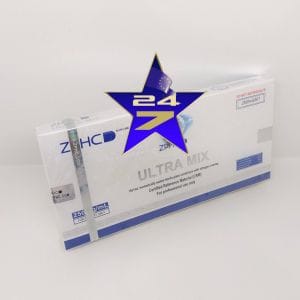
Original price was: $ 259.00.$ 179.00Current price is: $ 179.00.


By understanding the intricacies behind the cost of Repatha, patients can make more informed decisions about their healthcare journey, ensuring they receive necessary treatment without undue financial stress.
Repatha, a medication designed to lower LDL cholesterol in patients with certain cardiovascular conditions, has been a subject of financial consideration due to its pricing structure. Initially, its high cost raised concerns among both patients and healthcare providers about accessibility and affordability. Efforts have been made over time to address these issues, including price reductions and collaborations with insurance companies to improve coverage. Manufacturer discounts, rebates, and patient assistance programs have also been introduced to alleviate the financial burden on consumers. Despite these efforts, the cost of Repatha remains a significant discussion point in the broader conversation about drug pricing in the pharmaceutical industry.