

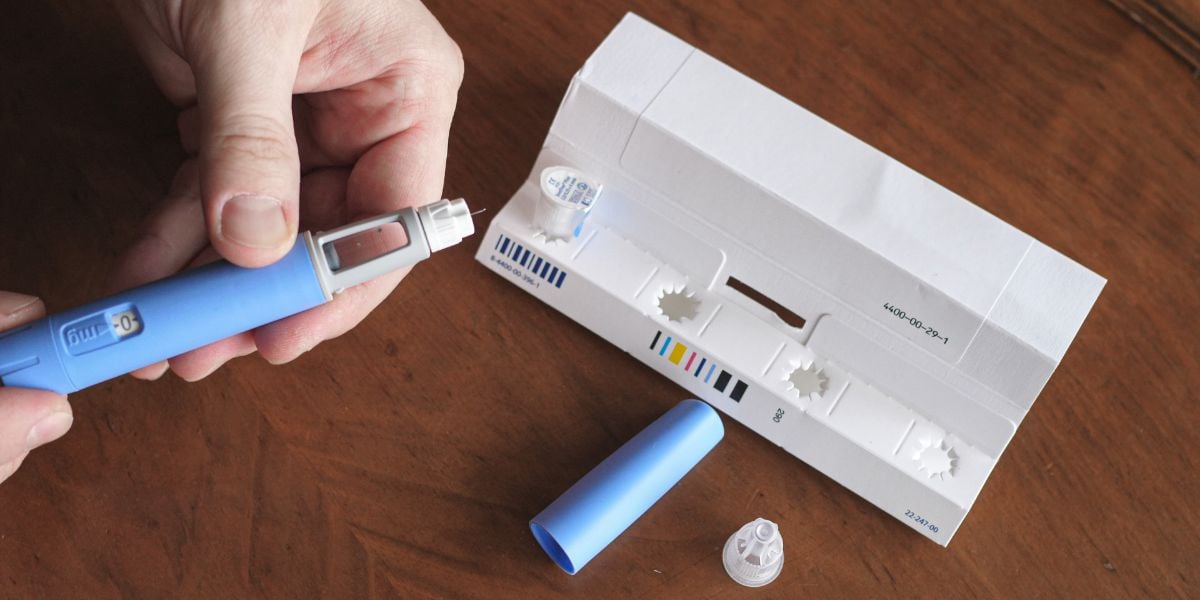
Semaglutide shots
TABLE OF CONTENTS

In recent years, semaglutide shots have emerged as a significant breakthrough in the realm of weight management and health improvement. Originally developed for managing type 2 diabetes, semaglutide is now being embraced for its substantial benefits in aiding weight loss and supporting individuals on their fitness journeys.
The Mechanism Behind Semaglutide Shots
Semaglutide is a GLP-1 receptor agonist that mimics the action of the hormone glucagon-like peptide-1, which plays an essential role in regulating appetite and insulin production. By stimulating these receptors, semaglutide helps increase insulin secretion while inhibiting the release of glucagon. This process ultimately reduces blood sugar levels and decreases the sensation of hunger, facilitating weight loss.
Benefits of Using Semaglutide Shots
Research has shown that semaglutide shots can lead to significant weight reduction in individuals when combined with lifestyle changes such as diet and exercise. Beyond weight loss, these injections are beneficial in managing blood glucose levels, improving heart health, and potentially reducing the risk of developing type 2 diabetes.
How to Administer Semaglutide Shots Safely
It’s essential to administer semaglutide shots correctly to maximize their effectiveness and minimize risks. These shots are typically injected subcutaneously, usually once a week. Always use a new needle for each injection to ensure hygiene and prevent potential infections or complications. It is crucial not to reuse the same semaglutide shot, as this can cause harm and compromise its effectiveness.
Conclusion
Semaglutide shots present a promising option for individuals looking to manage their weight effectively while dealing with type 2 diabetes or metabolic concerns. When used correctly, they can serve as a powerful tool in the pursuit of a healthier lifestyle. However, always consult a healthcare provider before beginning any new medication or weight management program to ensure it’s the right fit for your personal needs and conditions.
Frequently Asked Questions (FAQs)
- What are the common side effects of semaglutide shots?
Common side effects include nausea, diarrhea, and headaches. It’s essential to discuss potential side effects with a healthcare provider.
- What are the common side effects of semaglutide shots?
- Can semaglutide shots be used for bodybuilding?
While not specifically designed for bodybuilding, their role in weight management can complement fitness goals by assisting in losing excess fat.
- Can semaglutide shots be used for bodybuilding?
- Are semaglutide shots suitable for everyone?
Not everyone. They’re primarily prescribed for individuals with type 2 diabetes or obesity. A doctor will determine if it’s appropriate for you.
- Are semaglutide shots suitable for everyone?
- How long does it take to see results?
Results vary, but many see changes in weight within a few weeks when combined with diet and exercise.
- How long does it take to see results?
BIG SALE | FAST SHIPPING
HOT PROMOTIONS!
FIERCE CLOMID 50MG 50CAPS

Original price was: $ 129.00.$ 119.00Current price is: $ 119.00.


CROWX 👑 CLOMIROW 50 Mg / 50 Tabs ( Clomid )

Original price was: $ 79.00.$ 69.00Current price is: $ 69.00.


#Bodybuilding #Bodybuildingmotivation #Powerlifting #Bodybuilder #Heavyweightlifting #Workoutathome #stayfit #bodybuilding
Semaglutide shots are a form of medication primarily used to manage type 2 diabetes and aid in weight management. As a glucagon-like peptide-1 (GLP-1) receptor agonist, semaglutide mimics the hormone incretin, which increases insulin secretion, decreases glucagon levels, and slows gastric emptying, thereby helping to regulate blood sugar levels. Administered via subcutaneous injection, this medication has gained attention not only for its efficacy in controlling blood glucose but also for its significant benefits in weight reduction, making it a valuable tool in combating obesity. Recent studies have highlighted its potential beyond diabetes management, showing promise in reducing cardiovascular risk factors. However, like all medications, it requires careful supervision by healthcare professionals to monitor for potential side effects, including gastrointestinal issues and rare instances of thyroid tumors.