
Getting Started with Powerlifting: A Guide for Women
Frequently Asked Questions about Powerlifting for Women
What is powerlifting?
Powerlifting is a strength-based sport that involves three main lifts: the squat, bench press, and deadlift. The objective is to lift the maximum weight possible in each discipline. Competitions are usually divided by weight class, age, and experience level.
Is powerlifting safe for women?
Yes, powerlifting is safe for women when practiced correctly. Proper form, training, and a well-structured program are essential components to minimize the risk of injury. It’s important to begin with lighter weights to focus on form and gradually increase the weight as strength develops.
Can women compete in powerlifting?
Absolutely, women can and do compete in powerlifting at local, national, and international levels. Competitions are typically organized by weight class and age group, ensuring a fair playing field for all participants.
How can a beginner start with powerlifting?
To start, it’s recommended to gain foundational strength and understanding of basic exercise techniques. Consulting with a coach or joining a powerlifting-focused gym can provide guidance on form and structure a personalized training program. Beginners should focus on consistency and progressive overload, which means gradually increasing the weights they are lifting.
Do women need special equipment for powerlifting?
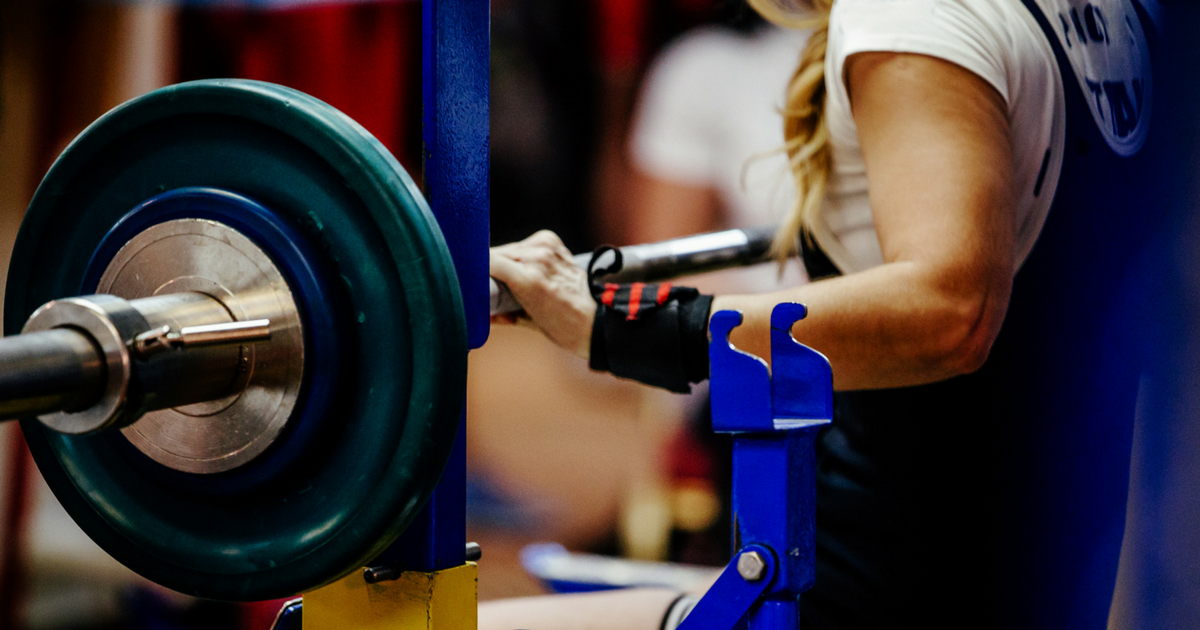
Specific equipment can enhance performance and safety in powerlifting. Women should consider investing in a quality belt, lifting shoes, and wrist wraps. These items help maintain proper form and provide support during lifts. Additionally, chalk can be used to improve grip strength during lifts like the deadlift.
Is powerlifting suitable for weight loss?
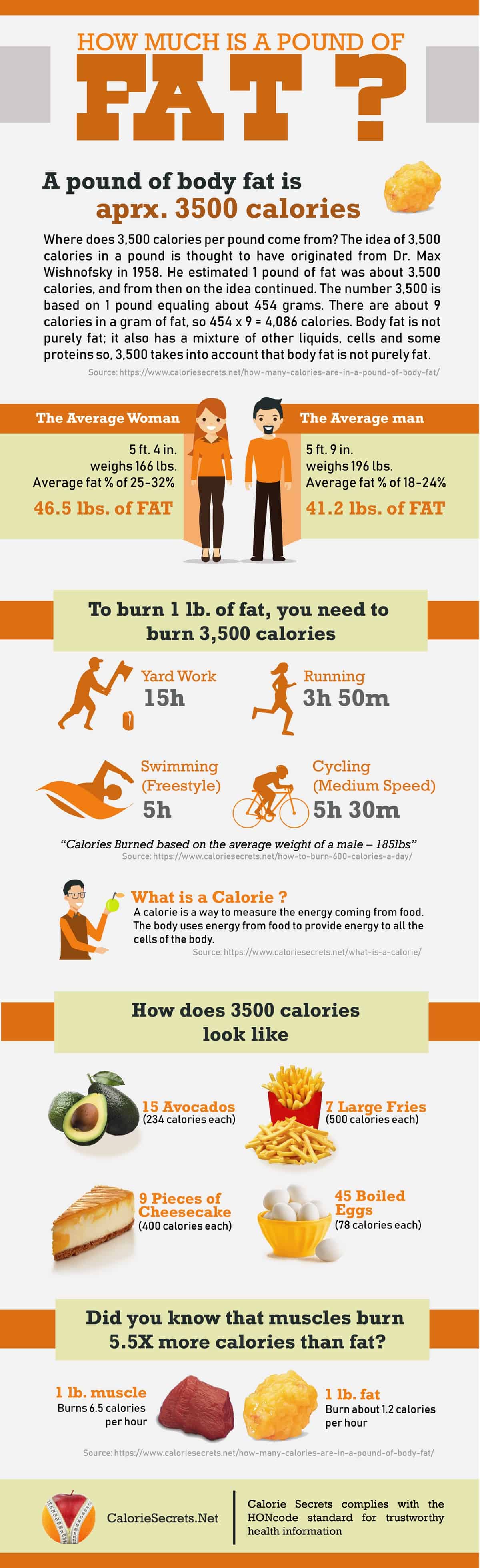
While powerlifting itself is not primarily a weight-loss activity, it can contribute to fat loss and a leaner physique. Strength training increases muscle mass, which can boost metabolism. However, a proper diet focusing on nutrition and calorie management is also essential for achieving weight loss goals.
How does powerlifting benefit women?
Powerlifting offers numerous benefits, including improved strength, increased bone density, better body composition, and enhanced mood. It empowers women by building confidence and providing a sense of accomplishment. Many find the community aspect of the sport supportive and motivating.
Do women gain bulky muscles through powerlifting?
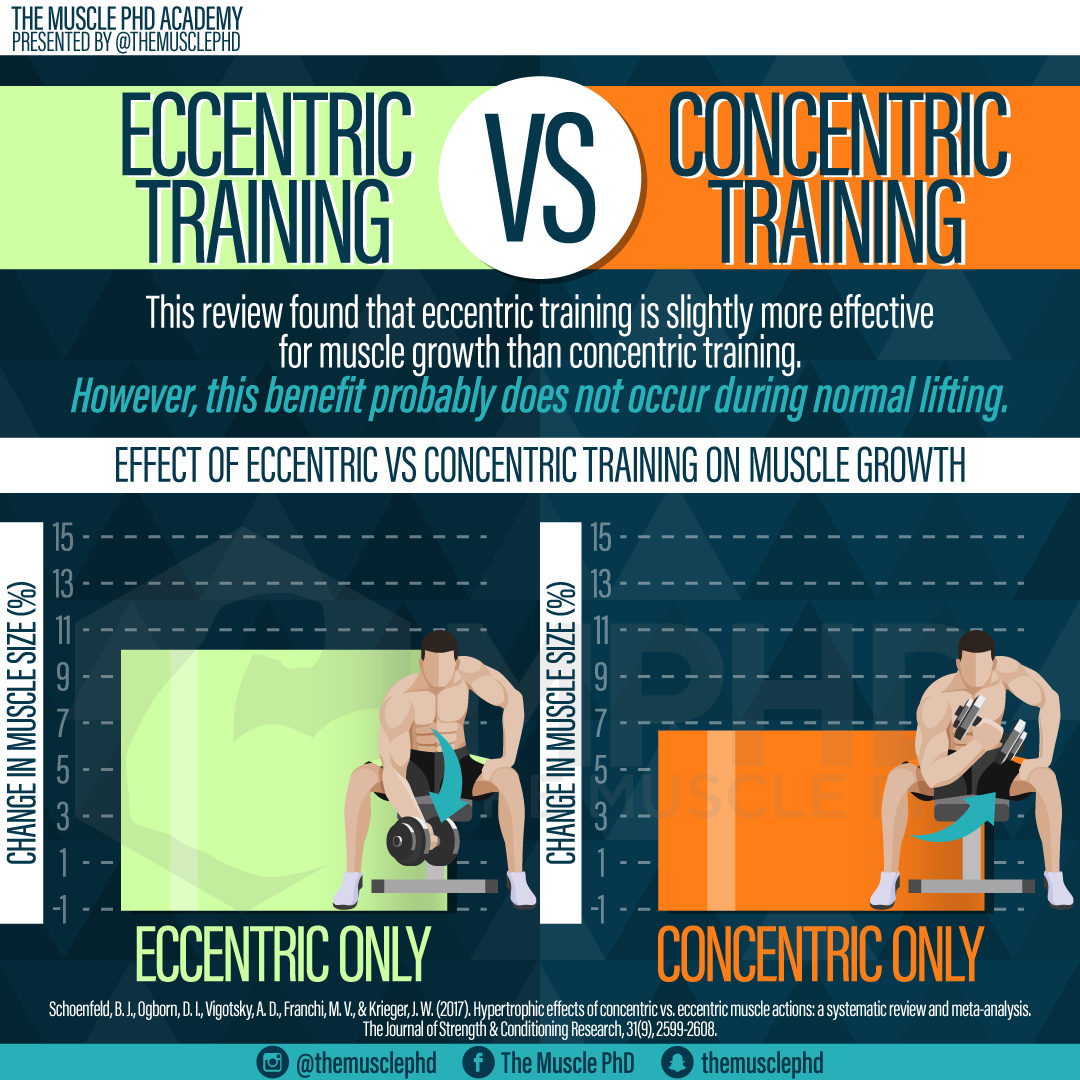
Contrary to common belief, gaining bulky muscles is a gradual process that often requires specific genetic predispositions and dedicated bodybuilding-type training. Powerlifting focuses on strength rather than hypertrophy (muscle growth), so women are more likely to achieve a toned and strong appearance rather than becoming overly muscular.
How often should women train for powerlifting?
Training frequency can vary based on experience, goals, and recovery ability. Generally, beginners might train 2-3 times per week, while more advanced lifters might train 4-5 times. It’s crucial to include sufficient rest days to allow muscles to recover and grow stronger.
What should women eat when training for powerlifting?
A balanced diet rich in protein, carbohydrates, and healthy fats is crucial for energy, recovery, and muscle development. Protein supports muscle repair, while carbohydrates provide the energy needed for intense workouts. Fats are essential for overall health. Hydration is equally important, and supplements like protein powder or BCAAs (branched-chain amino acids) may be considered based on individual needs.


[ratemypost]