
How Often Should I Stretch My Lower Back and Hips?
FAQ: Stretching Lower Back and Hips
What are the benefits of stretching the lower back and hips?
Stretching the lower back and hips offers numerous benefits, including improved flexibility, reduced muscle tension, enhanced circulation, and greater range of motion. This can help alleviate lower back pain, improve posture, and promote better overall body alignment. Regular stretching in these areas may also aid in preventing injuries during physical activities and enhance athletic performance.
How often should I stretch my lower back and hips?
To maintain flexibility and support overall muscle health, it is generally recommended to stretch your lower back and hips at least two to three times per week. This can vary based on individual fitness levels and goals. For those with specific health conditions or recovering from injuries, it is advisable to consult with a healthcare professional or a physiotherapist to tailor a suitable stretching routine.
What are some effective stretches for the lower back and hips?
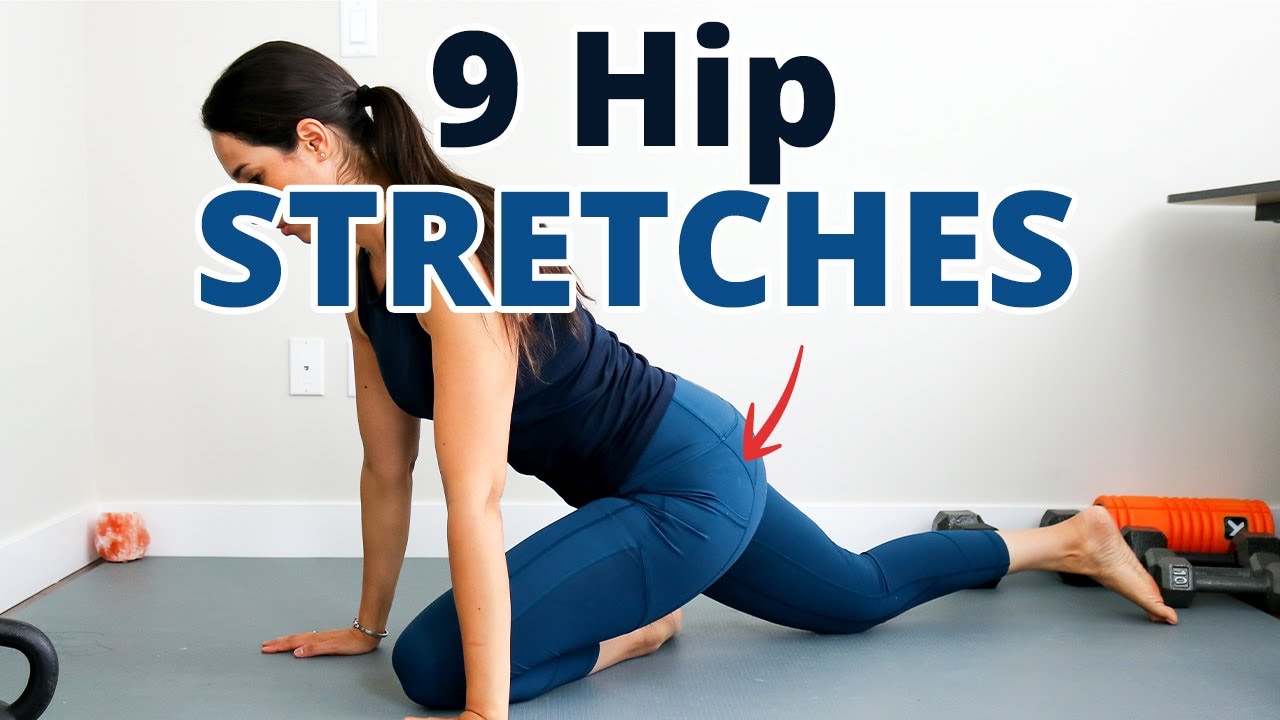
Some effective stretches for these areas include:
- Child’s Pose: This yoga posture gently stretches the lower back and hips while promoting relaxation.
- Knee-to-Chest Stretch: Helps to elongate the lower back and reduce tension.
- Pigeon Pose: Targets the hip flexors and can improve flexibility in the hip region.
- Cat-Cow Stretch: A dynamic yoga exercise that enhances flexibility in the back and hips.
Each of these stretches should be performed slowly and with control, ensuring you listen to your body and avoid pushing beyond your comfort zone.
What precautions should I take when stretching the lower back and hips?
When performing stretches for the lower back and hips, it is crucial to warm up adequately beforehand to prevent strain. Move into each stretch gradually and avoid any sudden or bouncing movements. Pay attention to your body’s signals and do not push through sharp pain or discomfort. Breathing deeply can aid in relaxing the muscles further during stretches. If you have any pre-existing conditions or injuries, seek advice from a fitness or healthcare professional to ensure you are stretching safely.
Can stretching the lower back and hips help with lower back pain?
Yes, regular stretching can significantly help manage and alleviate lower back pain. By improving flexibility and reducing tension in the muscles, stretching can relieve pressure on the spine and improve posture, which often contributes to back pain. However, it’s vital to perform these stretches correctly to avoid aggravating any existing issues. Consulting with a physiotherapist can provide personalized guidance and ensure effective pain management strategies.
How long should I hold each stretch?
Typically, each stretch should be held for approximately 15 to 30 seconds. Ensure you maintain proper form and breathe deeply throughout the stretch. Over time, you can gradually increase the duration as your flexibility improves, but it is essential to focus on quality over quantity.







Are there any specific stretches for tight hips?
Yes, there are several stretches specifically targeting tight hips:
- Hip Flexor Stretch: Opens up the front of the hips.
- Butterfly Stretch: Engages and stretches both the hips and the inner thigh muscles.
- Figure Four Stretch: Focuses on the outer hip muscles.
Consistently incorporating these stretches into your routine can significantly reduce tightness and improve mobility in the hip area.
Should I stretch before or after exercise?
Both pre- and post-exercise stretching have benefits, but they serve different purposes. Dynamic stretching before workouts can warm up the muscles and prepare them for physical activity. On the other hand, static stretching after exercise helps cool down the body, promote muscle relaxation, and assist in recovery.
How does stretching impact athletic performance?
Stretching helps in increasing flexibility, which is crucial for optimal athletic performance. This can lead to improved movement efficiency, reduced risk of injury, and enhanced muscular strength and endurance. By incorporating regular stretching into training routines, athletes can maximize their performance potential.