Mastering the Basics: What is the Proper Deadlift Form?
Deadlift Form FAQ
What is the deadlift, and why is form important?
The deadlift is a fundamental strength-training exercise that targets multiple muscle groups, including the back, glutes, hamstrings, and core. Proper form is crucial to maximize effectiveness and safety while minimizing the risk of injury. By maintaining correct posture and technique, you ensure that you’re working the intended muscles and not placing undue stress on your joints and spine.
How should your starting position be set up?
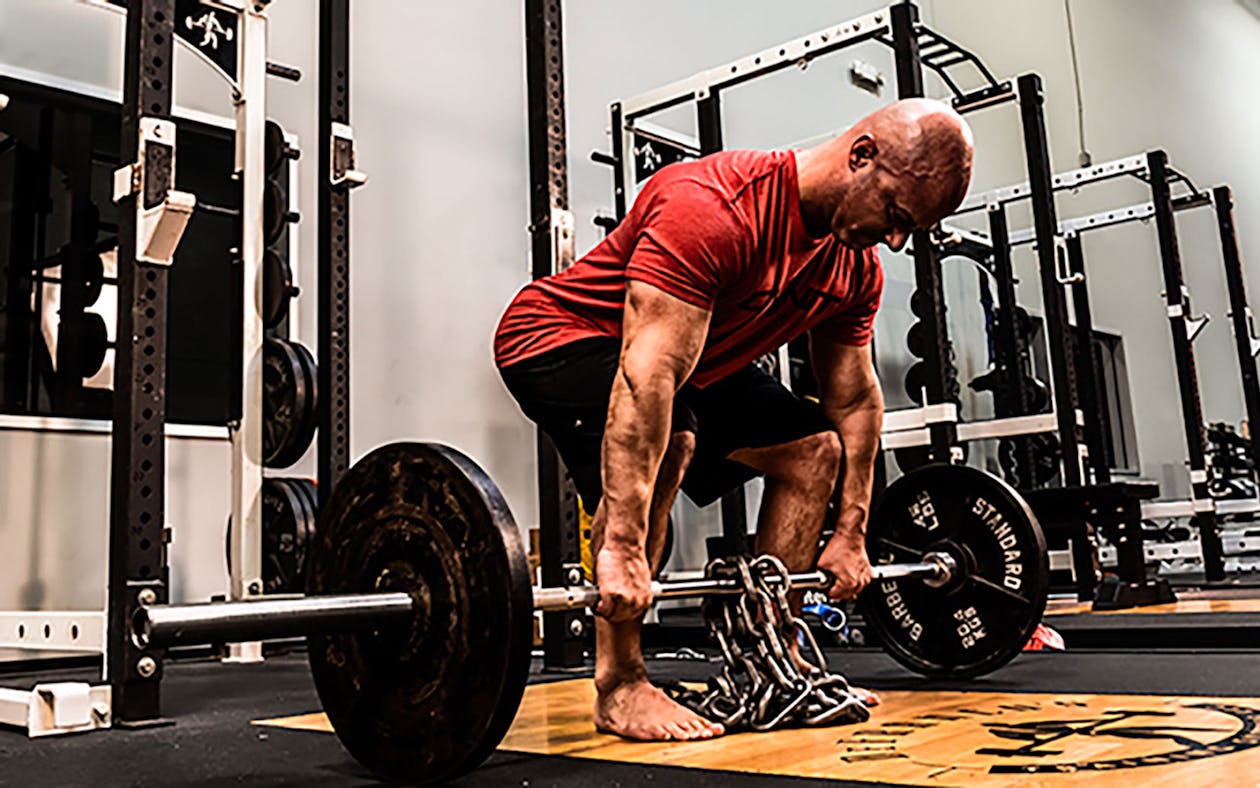
Start with your feet hip-width apart and toes pointing slightly outward. The barbell should be over the midpoint of your foot. Bend at your hips and knees, keeping your back straight, and grip the bar with your hands just outside your knees. Your shoulders should be slightly in front of the bar, and your chest up, engaging your core.
What is the correct grip for a deadlift?
There are several grip options, including the double overhand, mixed grip, and hook grip. A double overhand grip is recommended for beginners as it provides balance and develops grip strength evenly. A mixed grip can be used with heavier weights to prevent the bar from rolling, while the hook grip, though more advanced, provides a secure hold for competitive lifting.
How do you perform the lift itself?
To execute the lift, push through your heels while straightening your knees and hips simultaneously. Your chest should rise at the same rate as your hips. Keep the bar close to your body to maintain alignment and reduce strain on your lower back. Stand fully upright with your shoulders back and your knees locked out to complete the lift.
How do you safely lower the bar?
Lowering the bar is just as important as lifting it. Start by pushing your hips back while maintaining a straight back, allowing the bar to glide down the same path. Bend your knees after the bar passes them, ensuring full control throughout the descent. Always lower the weight slowly to avoid injury.
What are common mistakes to avoid?
A rounded back is a common error that can lead to serious injury. Always maintain a straight spine by engaging your core and keeping your chest up. Another mistake is lifting with your back instead of your legs and hips. It’s essential to initiate the lift using your lower body to protect your spine. Additionally, avoid jerking the weight off the ground, which can strain your entire body.
How can I improve my deadlift form?
Incorporate mobility and flexibility exercises focusing on your hips, hamstrings, and ankles to improve movement mechanics. Additionally, practicing with lighter weights will help you focus on form without the pressure of heavy loads. Recording your lifts can provide visual feedback to identify and correct errors in real-time.
How many reps and sets should you do?
The number of reps and sets can vary depending on your goals. For strength, focus on 3-5 sets of 3-6 reps using a challenging weight. For endurance, opt for 2-3 sets of 8-12 reps with a lighter load. It’s essential to maintain proper form regardless of the weight or repetitions to ensure efficacy and safety.
Who should avoid performing deadlifts?
Individuals with existing back, hip, or knee injuries, or with underlying health conditions that affect these areas, should consult a healthcare professional before incorporating deadlifts into their routine. Modifications or alternative exercises might be necessary to avoid aggravating any conditions.
Can deadlift form be improved with accessories?
Yes, accessories like lifting belts or straps can aid in maintaining form, particularly under heavy loads. A belt can provide additional lower back support, while straps can assist with grip strength, allowing you to focus more on form rather than the bar slipping from your grasp. However, it’s advisable to use these only as aids, not as replacements for proper technique and strength development.





[ratemypost]