Understanding Semaglutide Dosing: A Comprehensive Guide
FAQ: Semaglutide Dose in Units
1. What is semaglutide?
Semaglutide is a medication used primarily for managing type 2 diabetes and is also effective in weight management. It belongs to the class of drugs known as GLP-1 receptor agonists.
2. How is semaglutide administered?
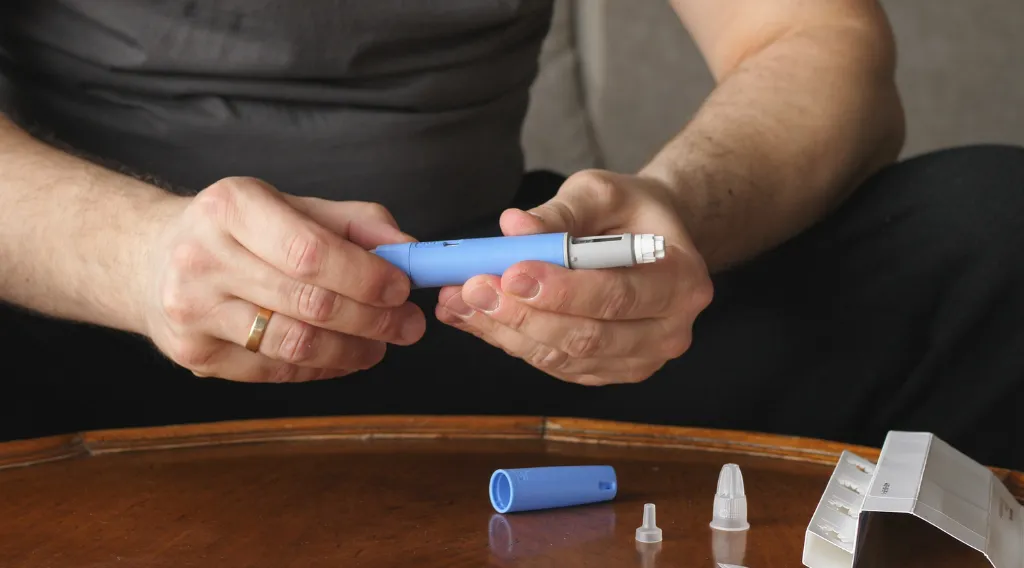
Semaglutide is available in both injectable and oral forms. The injectable form is typically administered once a week.
3. What are the common semaglutide doses in units?
In its injectable form, semaglutide is usually started at a lower dose, such as 0.25 mg, as the body adjusts. It is then gradually increased to 0.5 mg, with some patients eventually progressing to doses as high as 1 mg, depending on their medical needs and response to treatment.
4. Can semaglutide doses in units vary for different patients?
Yes, dosages may vary between individuals based on factors like response to the medication, specific health conditions, and physician recommendations.
5. Are there side effects associated with semaglutide doses?
Common side effects can include nausea, vomiting, diarrhea, and constipation. It is important to monitor these effects and consult healthcare providers for adjustments if necessary.
6. How does semaglutide help with weight management?
The medication aids in weight loss by reducing appetite and increasing the feeling of fullness. This leads to reduced caloric intake and can result in effective weight management when combined with diet and exercise.
7. Is self-administration of semaglutide safe?
Patients should receive training from healthcare providers before self-administering injectable forms. Proper techniques and handling are essential for safety and efficacy.
Conclusion
Understanding semaglutide dosage is vital for maximizing benefits and minimizing risks. Always adhere to medical advice for dosage adjustments. Individual needs may differ; consultation with healthcare professionals is key.