Understanding the Biceps Long Head: Anatomy and Function
Biceps Long Head FAQ
What is the biceps long head, and where is it located?
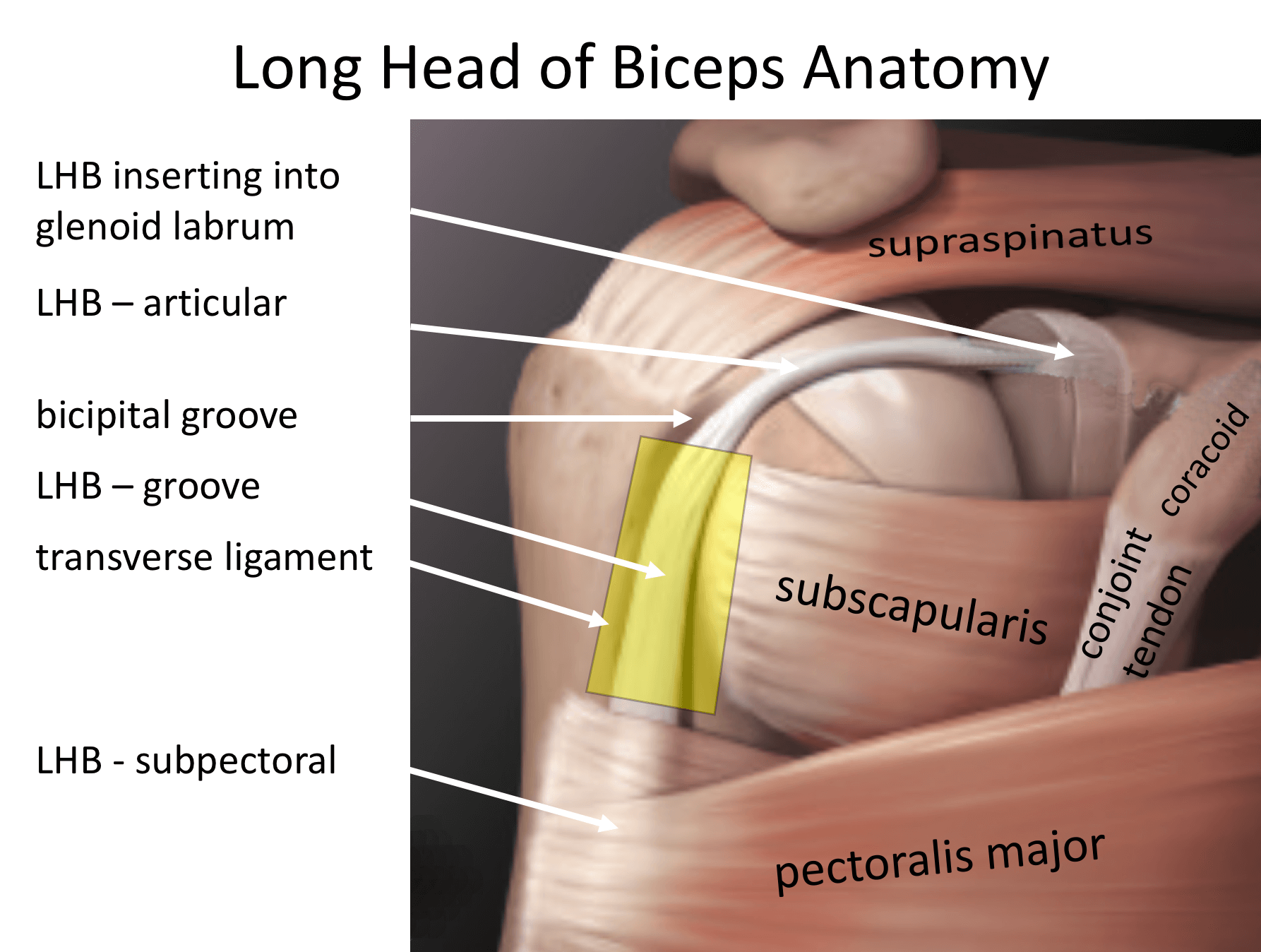
The biceps long head is one of the two main components of the biceps brachii muscle, found in the upper arm. It originates from the supraglenoid tubercle of the scapula and runs down the arm to attach onto the radius, a forearm bone. The other component is the biceps short head, which shares the same insertion point but has a separate origin.
What is the function of the biceps long head?
The primary functions of the biceps long head are to assist in elbow flexion and forearm supination. When you bend your elbow or turn your palm upwards, the long head plays a key role. Additionally, it helps stabilize the shoulder joint, especially during lifting and overhead activities, due to its attachment on the shoulder’s glenoid.
How can I effectively train the biceps long head?
To target the biceps long head, focus on exercises that involve shoulder and elbow flexion. Some effective exercises include incline dumbbell curls, concentration curls, and hammer curls. These exercises place a greater emphasis on the long head due to the positioning of your arms and elbows.
What are some common injuries affecting the biceps long head?
Common injuries include tendonitis, tears, and strains. Tendonitis arises from repetitive motions leading to inflammation, while tears might occur from acute injuries or lifting too much weight. Strains are also common and result from overstretching or tearing the muscle fibers partially.
How can I prevent injuries to the biceps long head?
Preventative measures include warming up properly before workouts, ensuring correct form during exercises, and not overloading weights too quickly. Stretching the shoulder and arm muscles regularly can also help increase flexibility and reduce injury risk. Listening to your body and resting when necessary plays a crucial role in prevention.
What are common symptoms of a biceps long head injury?
Symptoms often include pain at the front of the shoulder, weakness during elbow flexion, and a visible bulge in the upper arm if there’s a complete tear. You might experience a “popping” sensation at the shoulder during the initial injury. If symptoms occur, it is essential to consult a medical professional promptly.
When should I seek medical attention for biceps long head issues?
Seek medical attention if you experience persistent pain, swelling, or bruising in the shoulder or upper arm. Difficulty in performing daily activities or noticeable changes in muscle strength or appearance also warrant a medical consultation to rule out severe injuries like tears.
How is a biceps long head injury diagnosed and treated?
Diagnosis typically involves a physical examination, medical history evaluation, and imaging tests such as ultrasound or MRI. Depending on the severity, treatment can range from rest, ice application, and physical therapy to surgical intervention in cases of complete tears.
Can I still train other muscles while recovering from a biceps long head injury?
Yes, but it’s crucial to avoid exercises that stress the injured area. Focus on lower body workouts, core strengthening, and light cardio. Always consult with a healthcare professional or physical therapist to tailor a safe and effective training plan during recovery.
Are supplements beneficial for strengthening the biceps long head?
While a balanced diet rich in protein, vitamins, and minerals supports muscle repair and growth, some individuals may consider supplements. Protein powders, branched-chain amino acids (BCAAs), and omega-3 fatty acids can aid recovery. Consult with a nutritionist or doctor before adding supplements to your regimen.






[ratemypost]