What Are Barbell Curls and How Do They Benefit Your Arms?
Barbell Curl FAQ
What is a Barbell Curl?
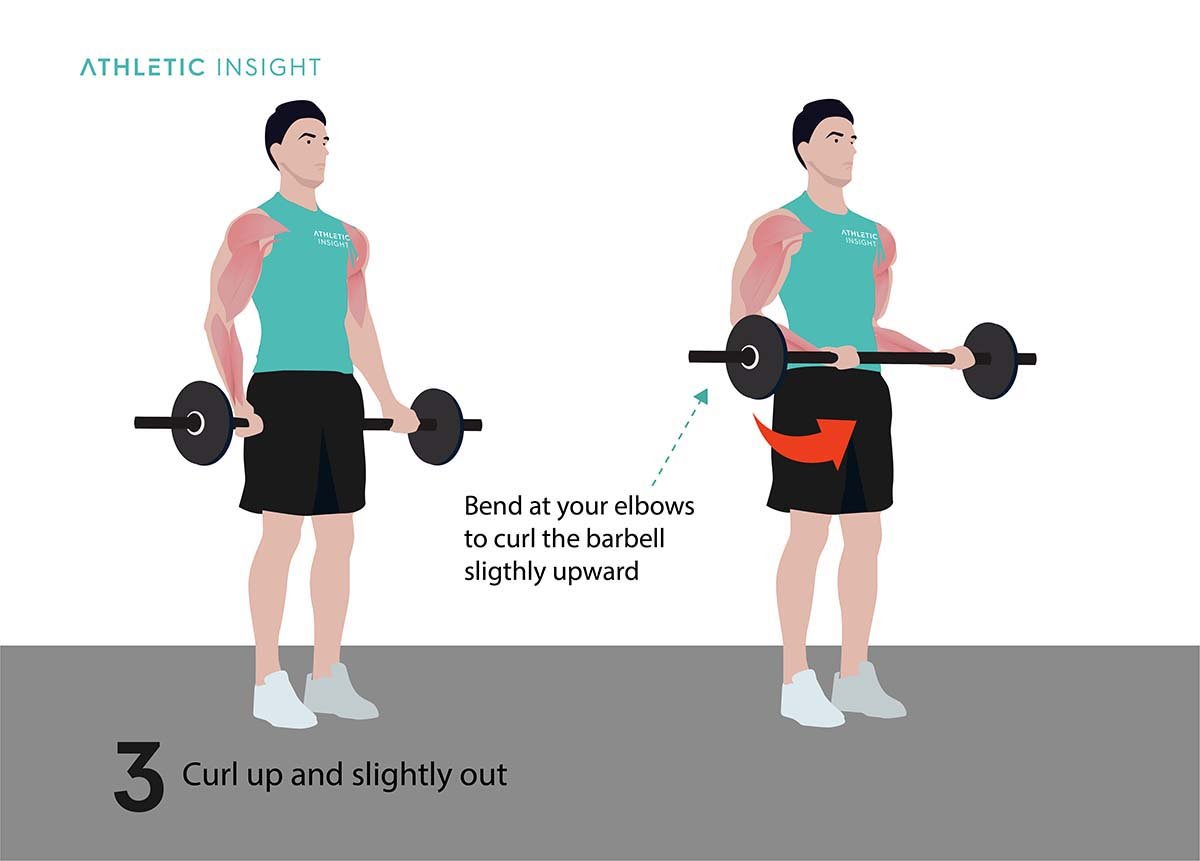
A barbell curl is a fundamental weightlifting exercise designed specifically to, #stayfit, build and strengthen the biceps. It involves lifting a weighted barbell from the thighs to shoulder height, focusing on moving only the forearms for effective isolation of the bicep muscles. This exercise is a staple in many bodybuilding and general fitness routines due to its simplicity and effectiveness in developing arm strength.
Why Should I Include Barbell Curls in My Workout?
Incorporating barbell curls into your workout routine offers several benefits. Primarily, they help in building bicep size and strength, which not only enhances muscle aesthetics but also improves overall arm functionality. Strong biceps are crucial for performing daily tasks that require pushing or pulling. Additionally, performing this exercise can also improve grip strength, which is beneficial for other compound exercises.
How Do I Perform a Barbell Curl Correctly?
To perform a barbell curl, start by standing with your feet shoulder-width apart, holding the barbell with an underhand grip. Keep your elbows close to your torso and your back straight. Slowly curl the barbell upwards towards your chest while keeping your upper arms stationary. Pause briefly at the top of the movement, then lower the bar back to the starting position. Proper form is crucial to avoid injury and to maximize the exercise’s effectiveness.
What Weight Should I Use for Barbell Curls?
Choosing the right weight for barbell curls depends on your fitness level and goals. Beginners should start with a lighter weight to focus on proper form, typically around 10-20 pounds. As you progress, you can gradually increase the weight. The key is to use a weight that allows you to perform the exercise with good form, for around 8-12 repetitions per set, without straining.
How Many Sets and Repetitions Should I Do?
A typical barbell curl workout might involve 3-4 sets of 8-12 repetitions. This range is effective for hypertrophy, helping you build muscle size. For strength training, you might opt for heavier weights with fewer reps, around 4-6 per set. Always pay attention to your body’s signals to prevent overtraining and ensure adequate recovery between sessions.
Can Barbell Curls Help With Arm Definition?
Yes, barbell curls can significantly contribute to arm definition. By targeting the biceps directly, they help increase muscle size and tone, contributing to more defined arms. Consistency, combined with a balanced diet and overall strength training program, will optimize results and help you achieve well-defined muscles.
Are There Variations of the Barbell Curl?
Several variations can enhance the effectiveness of this exercise. Some popular alternatives include the preacher curl, which isolates the biceps even further, and the reverse grip curl, which targets the forearms more intensely. Using an EZ curl bar, which has an angled grip, can reduce strain on the wrists and elbows during the exercise.
What Common Mistakes Should I Avoid?
Common mistakes during barbell curls include using too much weight, swinging the barbell, and not controlling the negative phase of the lift. These errors can lead to poor results and increase the risk of injuries. Always use a controlled motion, keep your elbows stationary, and choose a manageable weight to maintain proper form.





How Can I Progress in My Barbell Curls?
To progress, gradually increase the weight as you get stronger. Incorporating different variations and angles can challenge your muscles in new ways, promoting growth. Consistent practice, rest, and a balanced diet are also crucial for continuous improvement in your barbell curl performance.
[ratemypost]
What Are the Safety Tips for Barbell Curls?
Always warm up before beginning your workout to reduce the risk of injury. Maintain good posture throughout the exercise and wear appropriate footwear for stability. If you’re new to weightlifting or have any health concerns, consider consulting a trainer to ensure safe and effective technique.