
What Are Dumbbell Chest Flys and How Do They Benefit My Workout?
FAQs About Dumbbell Chest Flys
What are dumbbell chest flys?
Dumbbell chest flys are an isolation exercise designed to target the pectoral muscles of the chest. By moving the arms in a wide arc across the body, this exercise helps in improving chest strength and enhancing muscle definition.
How do I perform dumbbell chest flys correctly?
To perform dumbbell chest flys correctly, lie flat on a bench with a dumbbell in each hand. Begin with the weights directly over your chest, palms facing each other. Slowly lower the weights out to the sides, keeping a slight bend in your elbows. Then, bring the weights back to the starting position by squeezing your chest muscles.
What muscles do dumbbell chest flys target?
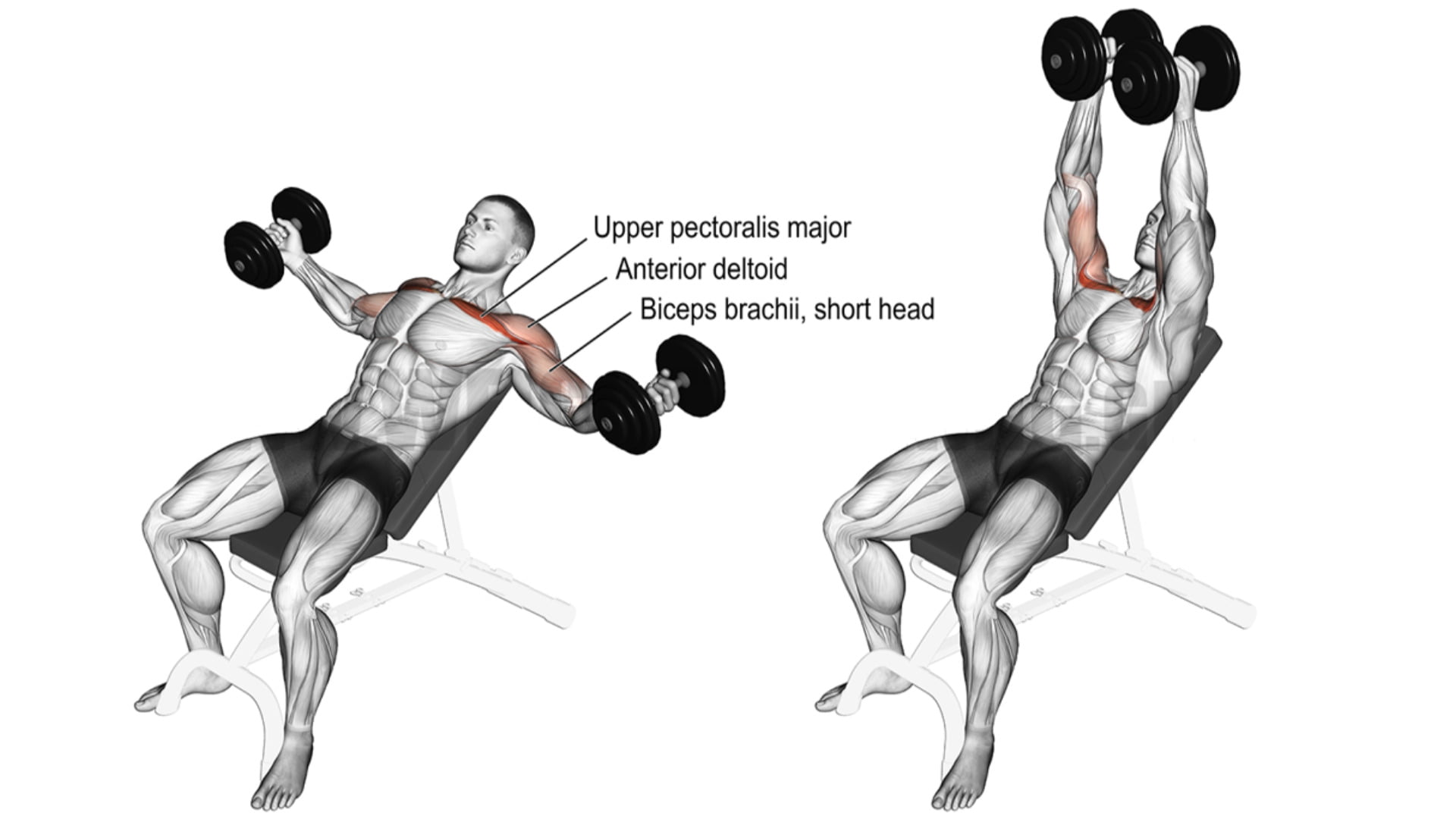
Dumbbell chest flys primarily target the pectoral muscles. Additionally, they engage the anterior deltoids, which are the front part of the shoulder muscles, and the triceps to some extent.
Are dumbbell chest flys safe for beginners?
Yes, dumbbell chest flys can be safe for beginners if performed with proper form and appropriate weight. Beginners should start with light weights to focus on form before progressing to heavier loads.
How many sets and repetitions should I do for dumbbell chest flys?
This depends on your fitness goals. For muscle endurance, aim for 3-4 sets of 12-15 repetitions. For muscle growth, perform 3-4 sets of 8-12 repetitions. Always ensure proper form to prevent injury and maximize effectiveness.
Can I do dumbbell chest flys at home?
Absolutely! Dumbbell chest flys can easily be performed at home. All you need is a pair of dumbbells and a sturdy bench or a stability ball to lie on.
What are the benefits of doing dumbbell chest flys?
Dumbbell chest flys help increase chest muscle size and strength while improving muscle symmetry and definition. They also enhance overall upper body stability and can contribute to better posture.
How can I avoid injuries when doing dumbbell chest flys?
To avoid injuries, start with a weight you can easily control and maintain a slight bend in your elbows throughout the movement. Avoid overextending your arms at the bottom of the exercise to protect your shoulder joints, and always use a bench or surface that provides stable support.
Are there any variations of dumbbell chest flys?
Yes, there are several variations of dumbbell chest flys, including incline and decline flys. Incline flys target the upper portion of the pectoral muscles, while decline flys emphasize the lower pecs. You can also perform seated chest flys using machines for a different take on this exercise.
Can dumbbell chest flys improve my bench press performance?
Yes, including dumbbell chest flys in your training routine can complement your bench press performance. By strengthening the pectoral muscles and stabilizing the shoulder region, it can lead to improved overall chest strength and power.
Remember, consistency and correct form are key when incorporating dumbbell chest flys into your workout regimen. Happy lifting!






[ratemypost]