
What are Lat Muscles and Why are They Important?
Frequently Asked Questions About Lats Workout
What are lats?
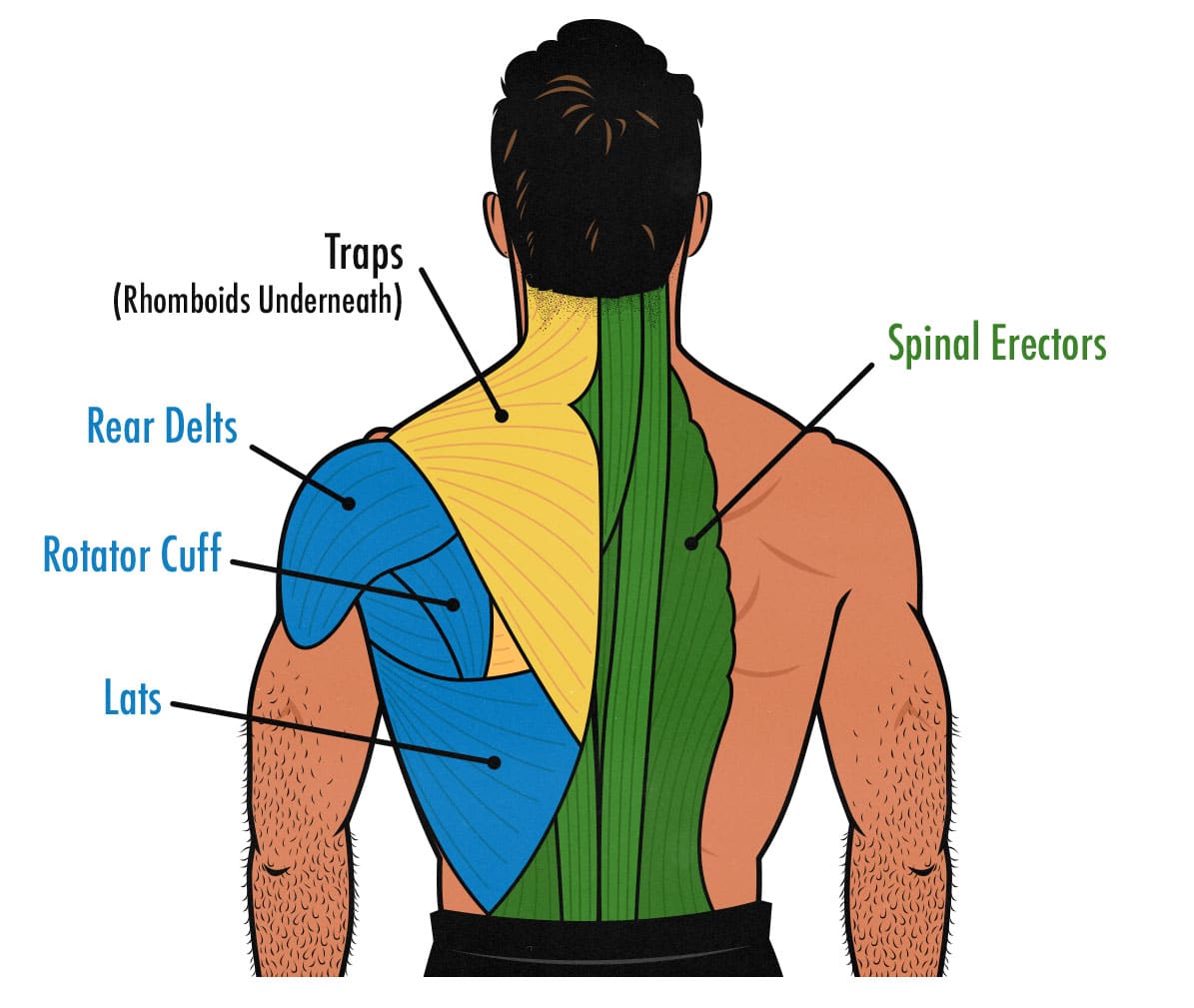
The latissimus dorsi, commonly referred to as "lats," are a pair of large, flat muscles located on each side of your back. They play a crucial role in shoulder movement and help give your upper body a more defined, V-tapered appearance. Strengthening these muscles is key for anyone interested in bodybuilding or improving their overall fitness.
Why should I incorporate lats workout into my routine?
Incorporating exercises that target the latissimus dorsi can enhance your upper body strength and stability. Working on your lats improves your posture and can help in daily activities that involve pulling motions, like lifting heavy objects. Moreover, it contributes to a balanced physique and can enhance performance in various sports activities.
What exercises are best for targeting lats?
Some of the most effective exercises for targeting the lat muscles include pull-ups, lat pulldowns, bent-over rows, and dumbbell pullovers. These exercises focus on engaging the lats while also recruiting other muscles of the back for improved strength and endurance. Ensuring proper form is crucial to maximize results and prevent injury.
How often should I perform lats-focused workouts?
Frequency depends on your fitness level and overall training goals. For general strength and muscle development, incorporating lats exercises 1-2 times per week is usually sufficient. However, you should also listen to your body; rest days are essential for muscle recovery and growth. As you progress, adjustments can be made based on your individual needs.
Can beginners perform a lats workout?
Yes, beginners can definitely engage in exercises that target the lats. Starting with exercises like assisted pull-ups or lat pulldown machines is recommended for those who are new to strength training. It’s also beneficial to work with a trainer or follow a structured program to ensure proper technique and prevent injuries as you build your foundation.
What is the proper form for a lat pulldown?
To perform a lat pulldown correctly, sit down at a lat pulldown machine with your feet flat on the floor. Grip the bar wider than shoulder-width, with your palms facing away from you. As you pull the bar down, keep your chest out and slightly lean back. Pull the bar down to your upper chest in a controlled manner and then slowly return to the starting position.
Are there lats workout alternatives for home workouts?
Absolutely. If you don’t have access to a gym, you can still engage your lat muscles using resistance bands or household items like a sturdy broomstick between two chairs for inverted rows. Other effective bodyweight exercises include pull-up variations using a home pull-up bar.
What’s a common mistake when doing lats workouts?
A common mistake is using momentum to perform the exercises, which can reduce their effectiveness and increase the risk of injury. It’s important to focus on controlled, deliberate movements and feeling the engagement of the lats throughout each repetition. Proper breathing techniques and avoiding overloading with excessive weight is also essential.
How can I tell if my lats are getting stronger?
Signs that your lats are becoming stronger include improved ability to perform pull-ups and increased weight on rowing exercises. You might also notice better performance in sports and activities requiring upper body pulling power. Additionally, a more defined back and improved posture can be visible indicators of progress.







Can lats workouts contribute to a balanced physique?
Yes, working your lats contributes significantly to achieving a balanced physique by preventing overdevelopment of the chest and shoulders, which can lead to hunching. A well-developed back not only enhances overall appearance but also ensures muscular symmetry, which is crucial in bodybuilding competitions.
[ratemypost]
Are there any precautions to take during a lats workout?
Be cautious of your posture and movements to avoid straining your back or shoulders. It’s vital to use weights that allow you to maintain proper form and perform all exercises in a controlled manner. Additionally, warming up before and stretching after your workouts reduces the risk of injury and helps maintain flexibility.